Washington reforms that could tackle teacher sexual abuse
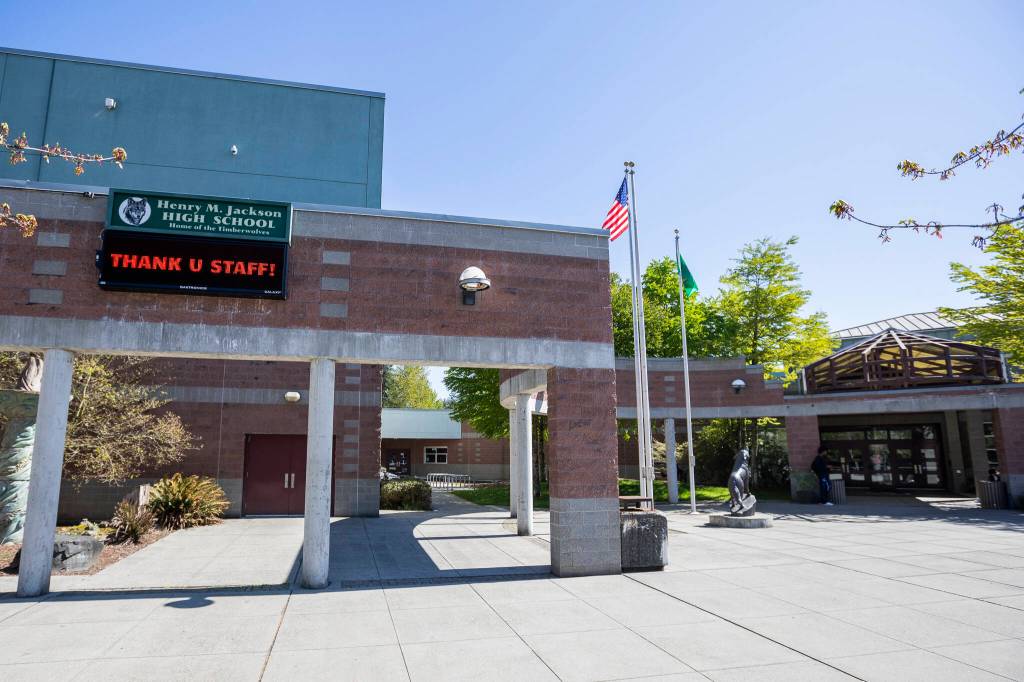
Washington’s 2004 'Don’t Pass the Trash' law aimed to prevent educators accused of sexual misconduct from moving between schools undetected, but loopholes allow some to evade accountability. Investigative reporting reveals districts and colleges have used confidentiality clauses and settlement agreements to hide misconduct records, enabling accused teachers to secure new positions, including at Shoreline Community College despite a 2020 higher education law meant to prevent such hires.
Washington’s 2004 law, the first of its kind in the U.S., required school districts to share records of educators accused of sexual misconduct and banned hiding such information. As of October 2024, 18 states have adopted similar measures, but reporting by InvestigateWest shows some districts and higher education institutions have bypassed these rules. For example, the Everett school district allowed a teacher accused of an inappropriate relationship with a student to resign without formal discipline, later enabling his hiring at Shoreline Community College through a loophole in a 2020 higher education bill. The 2020 law, spearheaded by State Rep. Gerry Pollet, required higher education institutions to disclose sexual misconduct findings in personnel files. However, districts have used confidentiality clauses and settlement agreements to suppress allegations, preventing public disclosure. In December 2023, Mercer Island School District placed a teacher under investigation for misconduct on paid leave but took steps to obscure the details. Experts argue Washington’s laws lack clear definitions for what constitutes concealment of misconduct, leaving room for districts to exploit loopholes. Terri Miller of the National Center to Stop Educator Sexual Abuse stated the failures undermine protections for students. Pollet has pledged to introduce new legislation to close gaps between K-12 and higher education laws, ensuring consistent enforcement across sectors. Current state law mandates employers to disclose sexual misconduct—defined as advances, physical contact, grooming, or indecent exposure—and prohibits contracts that suppress such information. Yet, districts have found ways to obscure records, including expunging details from personnel files. Investigative findings highlight systemic weaknesses, with accused educators evading accountability through resignations or transfers. Lawmakers propose strengthening the 2004 law by explicitly defining prohibited contract language and imposing penalties for districts that conceal misconduct. The goal is to ensure transparency and prevent predators from exploiting gaps in the system. Without reforms, experts warn, students remain vulnerable to educators with unaddressed histories of misconduct.
This content was automatically generated and/or translated by AI. It may contain inaccuracies. Please refer to the original sources for verification.