Watch: SpaceX fires biggest Super Heavy rocket ahead of 12th Starship flight
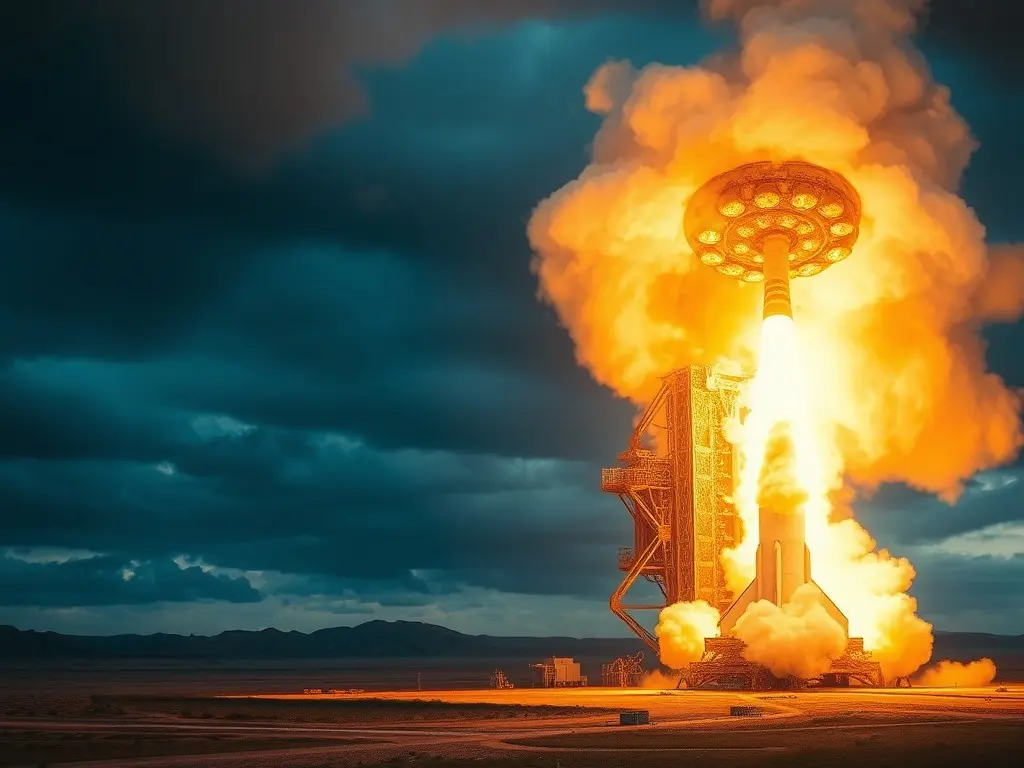
SpaceX conducted a full-thrust static fire test of its upgraded Super Heavy V3 booster at Starbase, firing all 33 Raptor engines in a critical milestone ahead of Starship’s 12th integrated flight. The test, described as a full-duration and full-thrust firing, aims to improve reliability, thrust output, and reusability as the company prepares for future missions, including NASA’s Artemis program for lunar landings.
SpaceX successfully tested its upgraded Super Heavy V3 booster at the Starbase facility in Boca Chica, firing all 33 Raptor engines simultaneously in a full-thrust static fire. The test marked the most powerful Super Heavy booster firing in the company’s history, generating millions of pounds of thrust and demonstrating the latest iteration’s performance improvements. Engineers focused on assessing reusability and upper-stage fixes ahead of Starship’s 12th integrated flight, which could occur in the coming weeks pending regulatory approvals and final checks. The Super Heavy V3 booster incorporates upgrades designed to enhance reliability, thrust output, and reusability, building on earlier flight tests that showed both progress and challenges. Recent missions achieved key milestones, such as catching returning Super Heavy boosters using mechanical arms, but issues persist with Starship’s upper stage during re-entry and splashdowns. The upcoming test flight will further evaluate flight stability, heat shield durability, and recovery operations as SpaceX advances toward operational missions. Starship, standing nearly 400 feet tall when fully stacked with Super Heavy, is the largest and most powerful rocket system ever developed. The system is central to SpaceX’s long-term goals, including NASA’s Artemis program, where a modified Starship will serve as the human landing system for lunar missions later this decade. Elon Musk has also emphasized Starship’s role in enabling human settlements beyond Earth, with the fully reusable vehicle aimed at drastically reducing spaceflight costs. The static fire test involved anchoring the booster to the launch mount while all engines burned at maximum power, producing massive exhaust plumes across the test site. This milestone follows rapid iterations on the Starship system, reflecting SpaceX’s approach to incremental improvements. Engineers will now analyze data from the test to refine systems before proceeding with the next flight attempt.
This content was automatically generated and/or translated by AI. It may contain inaccuracies. Please refer to the original sources for verification.