Water company using AI technology to spot leaks
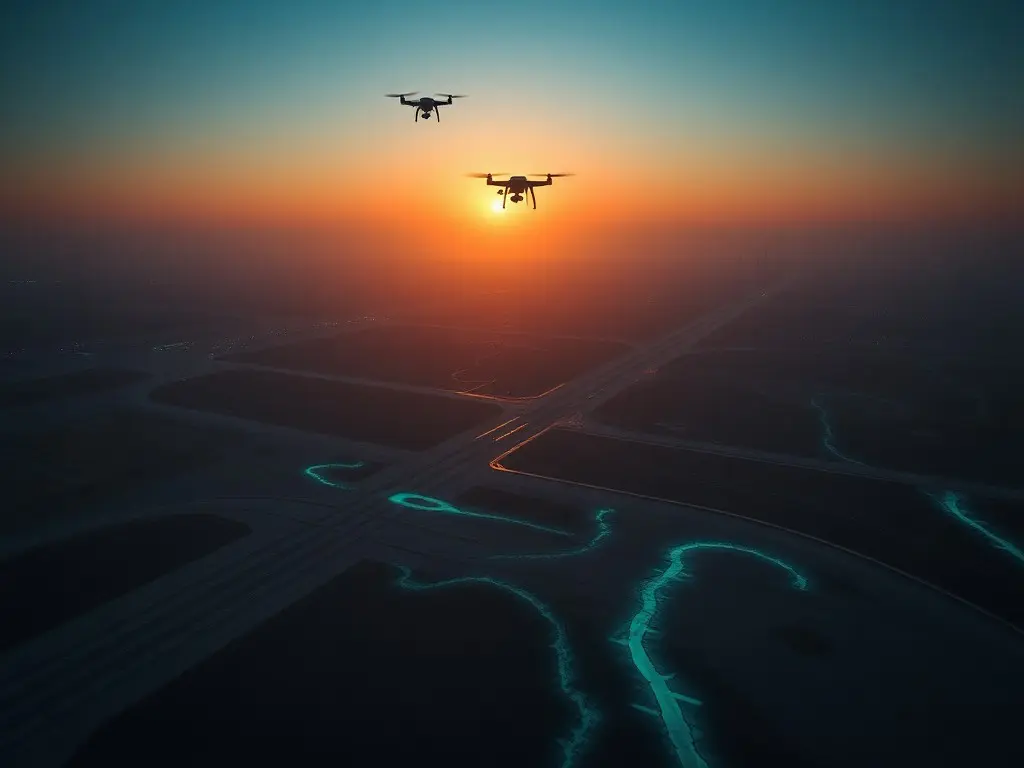
Thames Water is partnering with Origin Tech to use AI-powered satellite technology to detect up to 100 million liters of daily water leaks in Swindon, Wiltshire, reducing leakage by identifying underground issues faster than traditional methods. A 13-month trial found 800 leaks, saving an estimated 8.7 million liters per day, with some leaks flowing at over 10 liters per second.
Thames Water, which serves Swindon and surrounding Wiltshire areas, is collaborating with Origin Tech to deploy AI-driven satellite technology aimed at detecting water leaks. The system, tested over a 13-month period, identifies moisture and movement in the ground through satellite passes every six days, generating leak pinpoints for field teams to investigate. During trials, the technology uncovered 800 leaks, saving an estimated 8.7 million liters of water daily—equivalent to over three Olympic-sized swimming pools. The partnership claims the AI approach is at least five times faster than manual detection, particularly for invisible underground leaks that are difficult to locate. Thames Water’s Head of Leakage, Shane Gloster, stated that the satellite data provides a more efficient way to pinpoint network issues, accelerating efforts to reduce water loss. The company estimates that up to 100 million liters could be saved daily if fully implemented. Origin Tech’s co-founder, John Marsden, described the method as an evolution of traditional techniques, now enhanced by satellite insights. The system generates maps of suspected leaks, which Thames Water teams use to prioritize repairs. Previous trials revealed some leaks flowed at over 10 liters per second, enough to fill a bath every eight seconds. Thames Water noted that a significant portion of leaks remain undetected due to their underground nature. The AI solution aims to address this by providing real-time data, improving response times and operational efficiency. The collaboration follows a successful pilot, with both companies emphasizing the potential for broader application in water management.
This content was automatically generated and/or translated by AI. It may contain inaccuracies. Please refer to the original sources for verification.