Waymo to begin offering rides in new Ojai vehicle, free for some
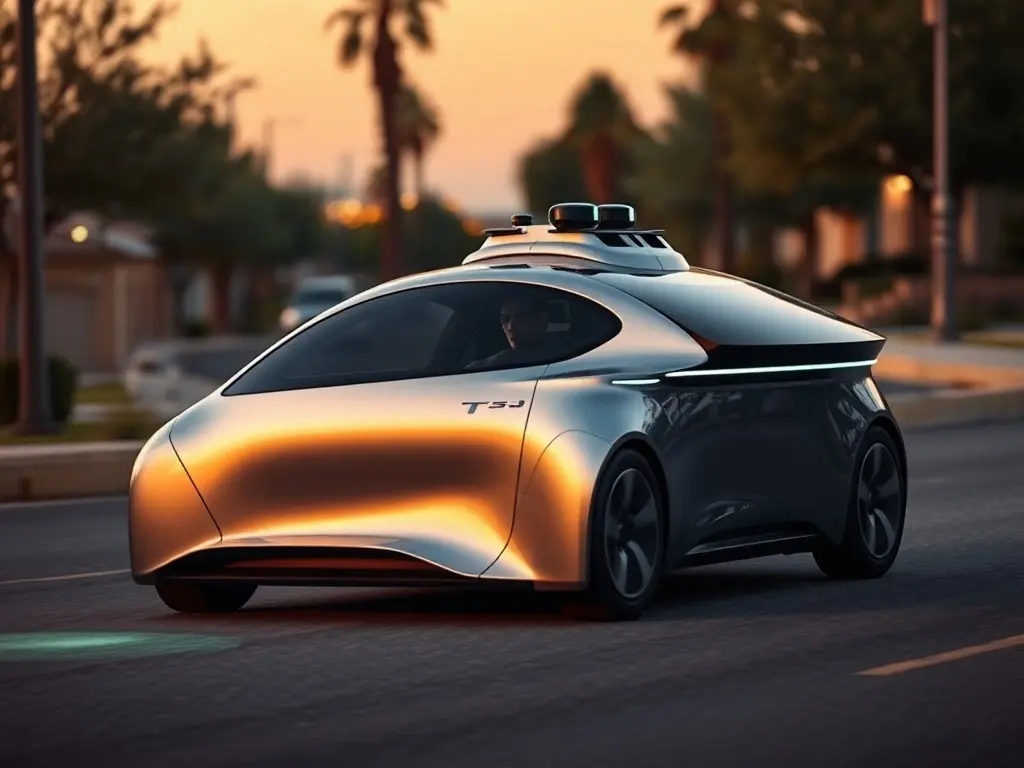
Waymo will begin offering free rides in its new Ojai vehicle, manufactured by China-based Zeekr Group, to a select group of riders in Phoenix starting in the coming weeks. The Ojai features sixth-generation Waymo Driver technology, designed for cold weather conditions, and will eventually replace the Jaguar I-Pace in Waymo’s fleet as production scales up in Mesa, Arizona.
Waymo will soon launch its new self-driving vehicle, the Ojai, for public rides in Phoenix, beginning with a free trial for select riders. The Ojai, produced by China’s Zeekr Group, has undergone months of testing with Waymo employees and safety drivers. Riders will be notified via email or app, with free rides offered initially before transitioning to paid service. The vehicle features a roomier interior, sliding doors for accessibility, and more trunk space than the current Jaguar I-Pace fleet. The Ojai runs on Waymo’s sixth-generation self-driving technology, optimized for cold climates like Denver and Minneapolis, where Waymo plans future expansions. This system will also power the upcoming Hyundai IONIQ 5 rollout. Waymo’s Mesa facility, a driver integration plant, retrofits vehicles—including the last available I-Pace models—with autonomous tech, as Jaguar phases out I-Pace production. Waymo currently operates around 3,000 I-Pace vehicles and aims to scale Ojai production to tens of thousands annually. The Ojai seats three passengers in the back and one in the front passenger seat, similar to the I-Pace. Earlier this year, Waymo paused freeway service in Phoenix and other cities due to construction-related operational adjustments, though no incidents were linked to these sites. Production of Ojai vehicles will ramp up throughout 2024 at the Mesa facility, ensuring a seamless transition from the I-Pace fleet. The free trial phase will help gauge public response before full commercial deployment. Waymo’s expansion aligns with its goal of advancing autonomous driving technology across diverse climates and urban environments.
This content was automatically generated and/or translated by AI. It may contain inaccuracies. Please refer to the original sources for verification.