Weather forecasting and AI in Indian farming: Transforming crop protection and agriculture
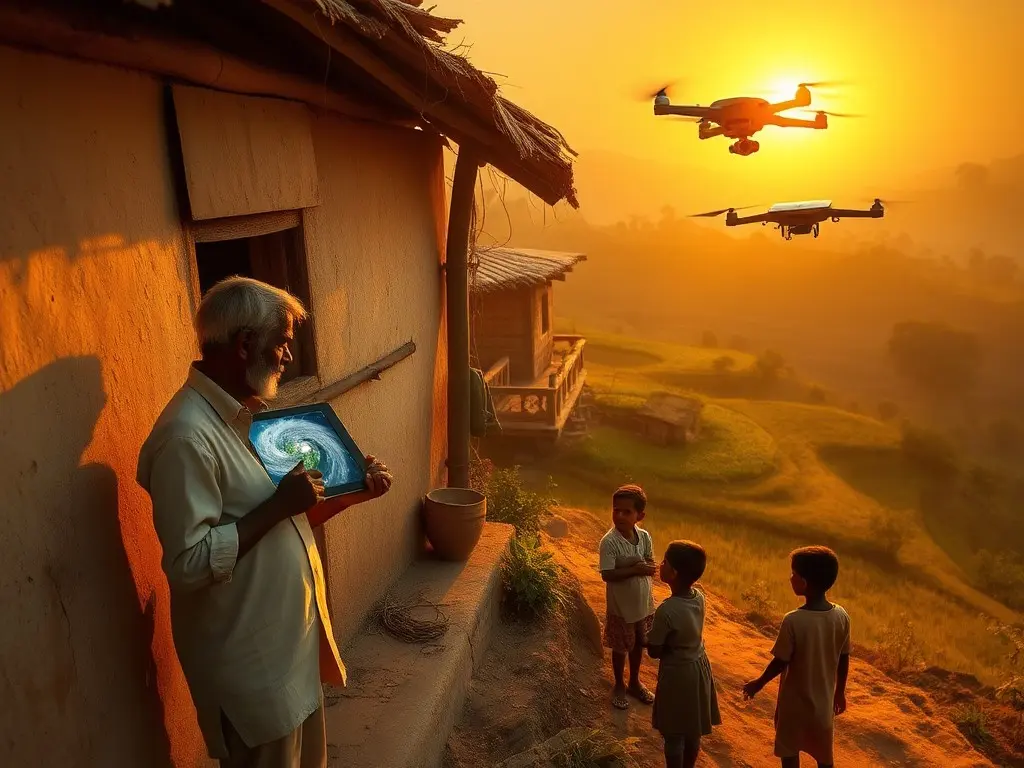
Indian farmers are adopting AI and weather forecasting tools to combat climate change, crop diseases, and unpredictable weather, though adoption remains low at under 4 percent for digital advisory tools. Challenges like cost, connectivity, and digital literacy hinder widespread use, despite government efforts to promote smart farming through awareness programs.
India’s agriculture sector, vital to its economy and millions of livelihoods, faces growing threats from climate change, erratic weather, and crop diseases. Traditional farming methods are being supplemented by AI-driven weather forecasting and digital tools that provide real-time data on rainfall, temperature, humidity, soil conditions, and pest risks. These systems alert farmers to potential fungal infections or pest outbreaks, enabling preventive measures that reduce crop losses and boost productivity. AI is also transforming disease detection, with mobile-based platforms allowing farmers to upload images of affected plants for analysis. AI algorithms identify diseases and recommend treatments, though adoption remains limited—less than 2 percent of Indian farmers use precision agriculture technologies. Digital advisory tools and crop-monitoring systems are adopted by only about 4 percent of farmers, indicating early-stage integration of smart farming. Despite low adoption, digital agriculture is expanding, with 10-20 percent of farmers accessing weather advisories or agricultural information services. Barriers include high costs, poor rural internet connectivity, low digital literacy, and skepticism toward traditional methods. Many farmers rely on local advice and lack resources to invest in advanced technologies. Government and agricultural institutions are promoting digital farming through awareness campaigns and tech-driven initiatives. While AI and weather forecasting hold promise for improving yields and resilience, broader adoption depends on overcoming infrastructure gaps and building farmer trust. The future of smart farming in India hinges on addressing these challenges to scale technology effectively.
This content was automatically generated and/or translated by AI. It may contain inaccuracies. Please refer to the original sources for verification.