We’re still recovering from losing the woolly mammoth
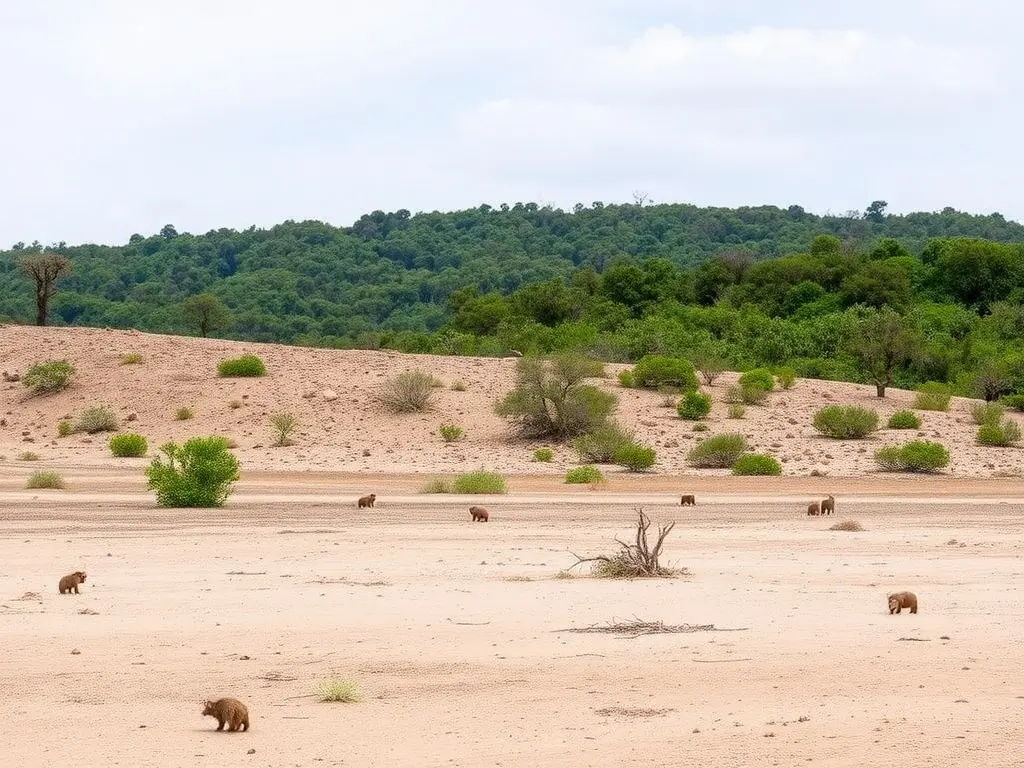
A study published in the Proceedings of the National Academy of Sciences found that the extinction of megafauna between 50,000 and 10,000 years ago still impacts modern food webs, particularly in North and South America. The loss of large mammals has resulted in fewer, smaller prey in these regions compared to Africa and Asia.
The disappearance of megafauna such as saber-toothed cats, giant sloths, and wombats the size of cars between 50,000 and 10,000 years ago has left a significant impact on Earth's food web. A study published in the Proceedings of the National Academy of Sciences analyzed predator-prey relationships in 389 locations across the Americas, Africa, and Asia. The study found that food webs in North and South America have fewer, smaller prey compared to Africa and Asia. The severity of past extinctions played a significant role in shaping modern food webs, with the Americas losing more than three-quarters of all mammals over 100 pounds. The loss of giant deer, such as Morenelaphus brachyceros, in South America is an example of how the extinction of megafauna thinned out the food web. The study's findings suggest that the effects of megafauna extinction are still felt today, with implications for our understanding of modern ecosystems.
This content was automatically generated and/or translated by AI. It may contain inaccuracies. Please refer to the original sources for verification.