West Asia war: Does India have to brace up for an austere summer?
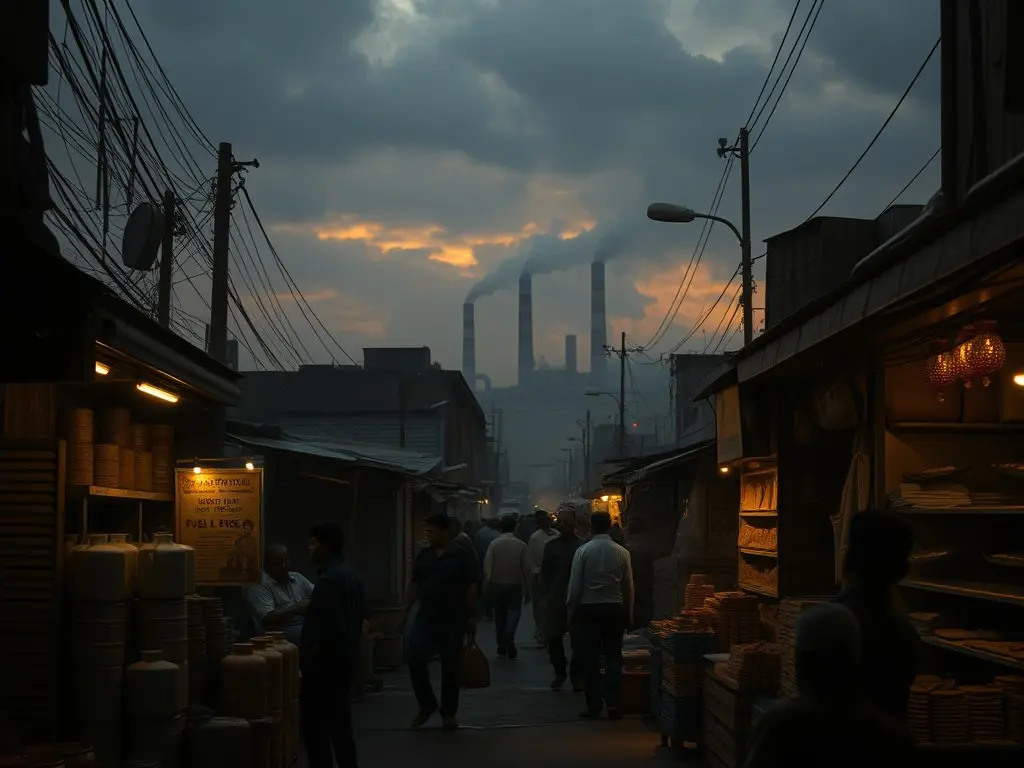
India’s economy faces growing pressure from the West Asia war, with Prime Minister Narendra Modi urging restraint on petrol, diesel, and gold consumption to curb foreign exchange outflows. Rising crude oil prices, inflation risks, and weaker monsoon forecasts threaten to slow GDP growth below 7% for FY27, while government measures like higher import duties and fuel price hikes aim to stabilize the balance of payments.
India’s economy is under strain as the West Asia war disrupts global energy markets, forcing Prime Minister Narendra Modi to call for reduced consumption of petrol, diesel, and gold to preserve foreign exchange reserves. The government has responded with emergency measures, including doubling customs duty on gold, silver, and platinum, while state-owned oil firms raised petrol and diesel prices by Rs 3 per liter—followed by an additional 90 paise hike—and restricted silver imports through nominated agencies. Economic growth, which had remained resilient at an estimated 7.6% in FY26, now faces downward revisions due to soaring crude oil prices—Brent crude remains above $100 per barrel, with forecasts of $90–$95 averages for 2024. This has triggered fears of second-round inflation, with retail inflation expected to average near 5%, up from a recent 3.48% CPI reading, while wholesale price inflation hit 8.3% in April. The Union Budget’s initial growth projections of 6.8–7.2% for FY27 now appear optimistic, with economists revising forecasts to 6.5–6.9%. Weak monsoon forecasts further threaten rural consumption, a key driver of India’s growth, as agricultural output and prices may suffer. The government’s policy shifts—including tax cuts and GST reductions—had previously supported demand, but external shocks now test the economy’s resilience. Analysts warn that even if the war ends, commodity prices will stay elevated, prolonging inflationary pressures. The balance of payments remains a concern, with forex outflows accelerating as imports of energy and raw materials surge. While India has weathered past crises through domestic demand, the current environment demands tighter fiscal controls to avoid a deeper slowdown.
This content was automatically generated and/or translated by AI. It may contain inaccuracies. Please refer to the original sources for verification.