West Asia war LIVE: Iran targets U.S. bases in Jordan, Gulf after Trump orders strikes near Hormuz
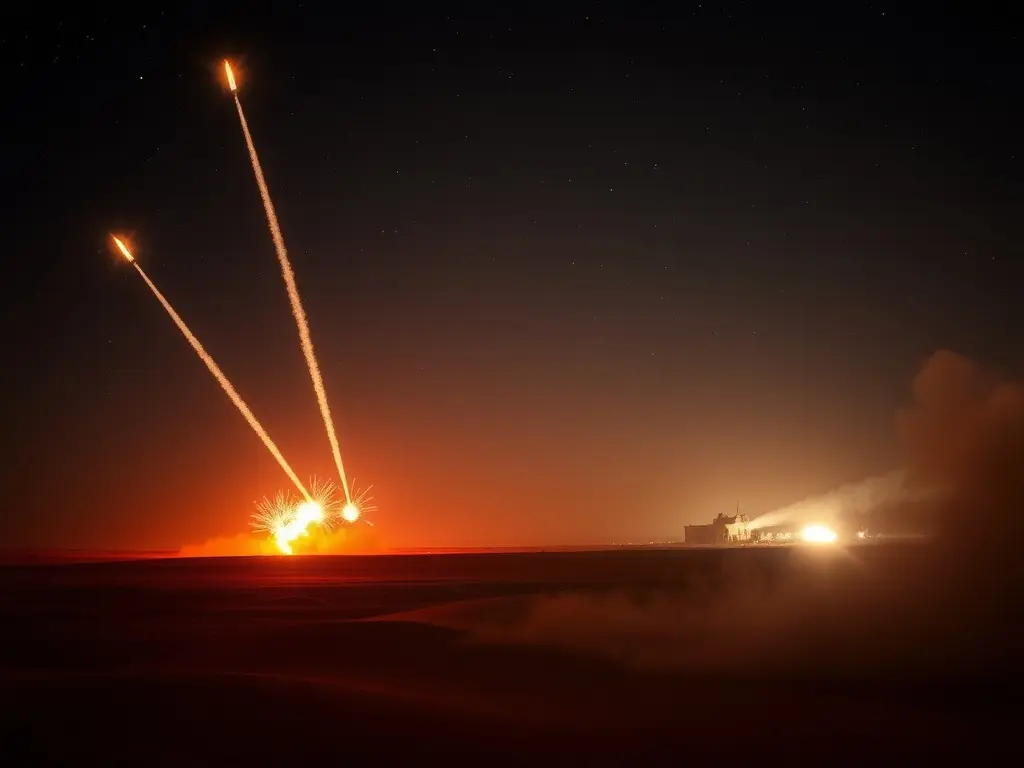
Iran’s Foreign Ministry warned Gulf nations of their responsibility to prevent U.S. and Israeli strikes, while Tehran retaliated against Bahrain, Kuwait, and Jordan after the U.S. launched airstrikes following the crash of an Apache helicopter near the Strait of Hormuz. Jordan reported shooting down five Iranian missiles targeting a U.S. base, escalating tensions despite a ceasefire agreement in April 2026.
Iran’s Foreign Ministry issued a statement on June 10, 2026, urging neighboring Gulf countries—particularly those along the Persian Gulf—to block U.S. and Israeli military operations targeting Iran. The warning came as tensions escalated after the U.S. conducted airstrikes against Iran in response to the crash of an Army Apache helicopter near the Strait of Hormuz, which Washington blamed on Tehran. Iran retaliated by launching attacks on Bahrain, Kuwait, and Jordan. Bahrain and Kuwait activated air defenses and reported missile alerts, while Jordan confirmed it shot down five Iranian missiles aimed at a U.S. military base. The strikes mark the largest escalation since both sides agreed to a ceasefire in April 2026. The U.S. had earlier attributed the helicopter crash to Iranian actions, prompting its own airstrikes as a direct response. Iran’s retaliation appears to be a coordinated effort to pressure Gulf allies and deter further U.S. involvement in the region. Regional security remains fragile as both sides exchange blows, risking broader conflict. Jordan’s military confirmed the downing of the missiles, though no casualties were reported. Bahrain and Kuwait also reported intercepting incoming projectiles, signaling a regional defense response. The exchange underscores the fragility of the ceasefire and the potential for further destabilization in West Asia. Analysts warn the escalation could disrupt ongoing diplomatic efforts to de-escalate tensions, with Iran’s attacks targeting key U.S. allies in the Gulf. The Strait of Hormuz remains a flashpoint, critical for global oil shipping, as both sides continue to trade strikes.
This content was automatically generated and/or translated by AI. It may contain inaccuracies. Please refer to the original sources for verification.