What Comes After a Food Revolution?
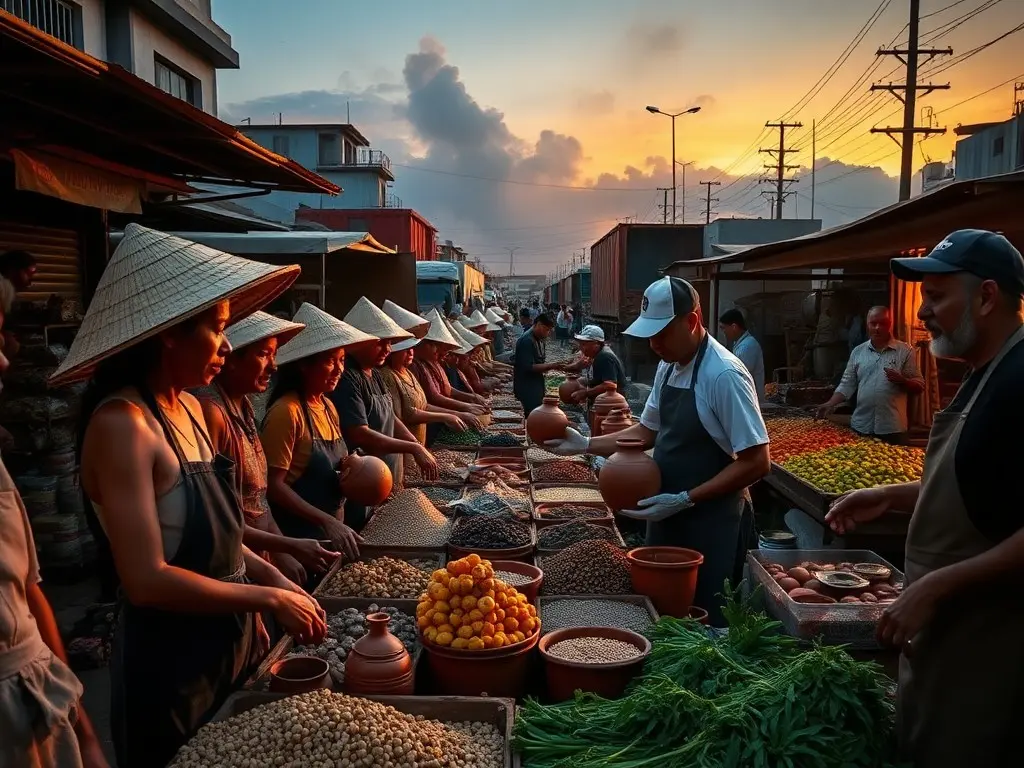
Peruvian chefs like Virgilio Martínez and Manuel Choqque are blending tradition with innovation to preserve the country’s globally acclaimed cuisine, but climate change, youth migration, and weak infrastructure threaten ingredient supply chains and traditional knowledge. The sector, which contributes over 20% to Peru’s tourism GDP, faces challenges like hunger amid fine dining success and calls for chefs to engage more deeply with producers and social impact.
Peru’s culinary revolution, led by chefs like Virgilio Martínez of Central (ranked world’s best in 2023) and Mitsuharu Tsumura of Maido (topped *The World’s 50 Best* in 2025), has turned gastronomy into an economic powerhouse, generating over $6.8 billion in tourism revenue in 2024. But this success masks deeper struggles: climate shifts, youth migration, and unreliable infrastructure threaten the supply of unique ingredients from the Andes, Amazon, and Pacific coast, risking the loss of traditional knowledge. Manuel Choqque, an agricultural engineer, exemplifies this tension. Growing up in the Sacred Valley, he inherited potato-farming rituals from four generations before learning their scientific basis—removing blossoms to boost tuber growth. He now cultivates antioxidant-rich ‘super’ potatoes for Lima’s elite restaurants, merging heritage with innovation. Yet, such efforts are strained by Peru’s structural issues: weak institutions, poor regional support, and a contradiction where fine dining coexists with widespread hunger. Chefs like Gastón Acurio, who pioneered Peru’s global culinary reputation, advocate for a ‘Ten Commandments’ approach, urging peers to uplift producers and defend traditions alongside innovation. Mayra Flores, co-owner of Shizen Restaurante Nikkei, echoes this, emphasizing that cuisine depends on respecting the ‘value chain’—farmers, foragers, and fishers who sustain it. Belinda Zakrzewska, an assistant professor at Birmingham Business School, notes Peruvian chefs uniquely bear social responsibility beyond the kitchen. In Cusco’s Sacred Valley, Hilda Tejada of the Huama community forages medicinal herbs like valerian and *kunuca* on sacred mountains, selling them for survival. Her work highlights the fragility of traditional livelihoods amid climate change and economic pressures. Roads and bureaucracy further complicate supply chains, while civil strife scars the landscape, deepening inequalities. Martínez warns that Peru’s gastronomic moment demands confronting its past, healing divisions, and addressing systemic gaps. Without action, the country’s culinary legacy—built on biodiversity and indigenous wisdom—could erode, leaving chefs and communities alike without the foundation of their shared identity.
This content was automatically generated and/or translated by AI. It may contain inaccuracies. Please refer to the original sources for verification.