What do young people in NI think about the social media ban for under-16s?
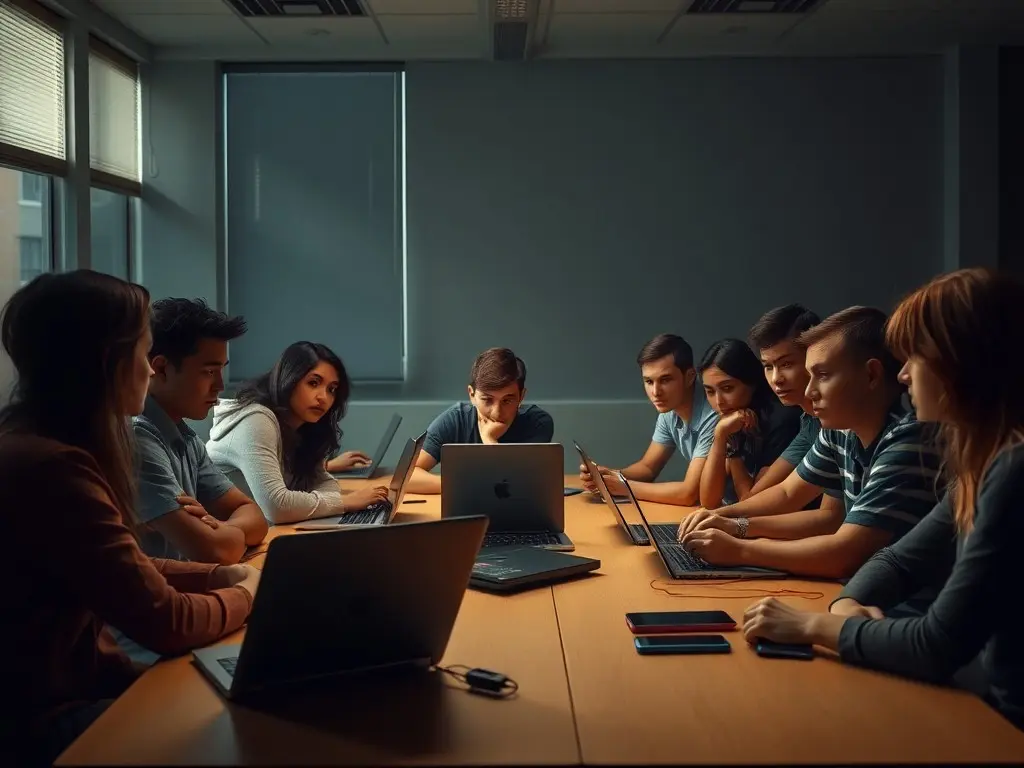
Northern Ireland’s government announced a ban on social media for under-16s by spring 2027, citing mental health concerns, while students like Shea, Siya, and Sophia express mixed views, arguing for safer usage instead of outright restrictions. Education Minister Paul Givan emphasized the need for tech companies to enforce age restrictions, citing Australia’s similar policy as a model.
Northern Ireland’s government will ban social media use for under-16s by spring 2027, targeting platforms like Snapchat, TikTok, YouTube, Instagram, Facebook, and X, though WhatsApp and Signal are exempt. Education Minister Paul Givan described the move as a 'profound' change, framing it as necessary due to the 'warzone' of conflicts in homes over mobile phone access. He cited mental health harms, including low self-esteem and anxiety, as key drivers for the policy, which follows Australia’s December 2025 ban." "Givan acknowledged the challenges of enforcement, including workarounds like VPNs, and stressed that tech companies must implement effective age-verification measures. Schools have already introduced mobile-inhibiting technology, which he called transformative in limiting access. However, students at Malone Integrated College in Belfast raised concerns: Shea argued social media should be improved rather than blocked, noting its educational value, like coding tutorials on YouTube. Siya highlighted its role in homework and social interactions, questioning why tech companies aren’t held more accountable for safety." "Sophia, facing GCSE exams, criticized the ban’s timing, warning it could limit online competence and confidence for older teens. She suggested teaching safe usage instead, while acknowledging mental health benefits. The debate underscores tensions between parental control, educational needs, and the role of technology in young people’s lives. Givan reiterated the government’s stance, framing the ban as a necessary step to protect children despite potential challenges.
This content was automatically generated and/or translated by AI. It may contain inaccuracies. Please refer to the original sources for verification.