What does uni merger mean for students and staff?
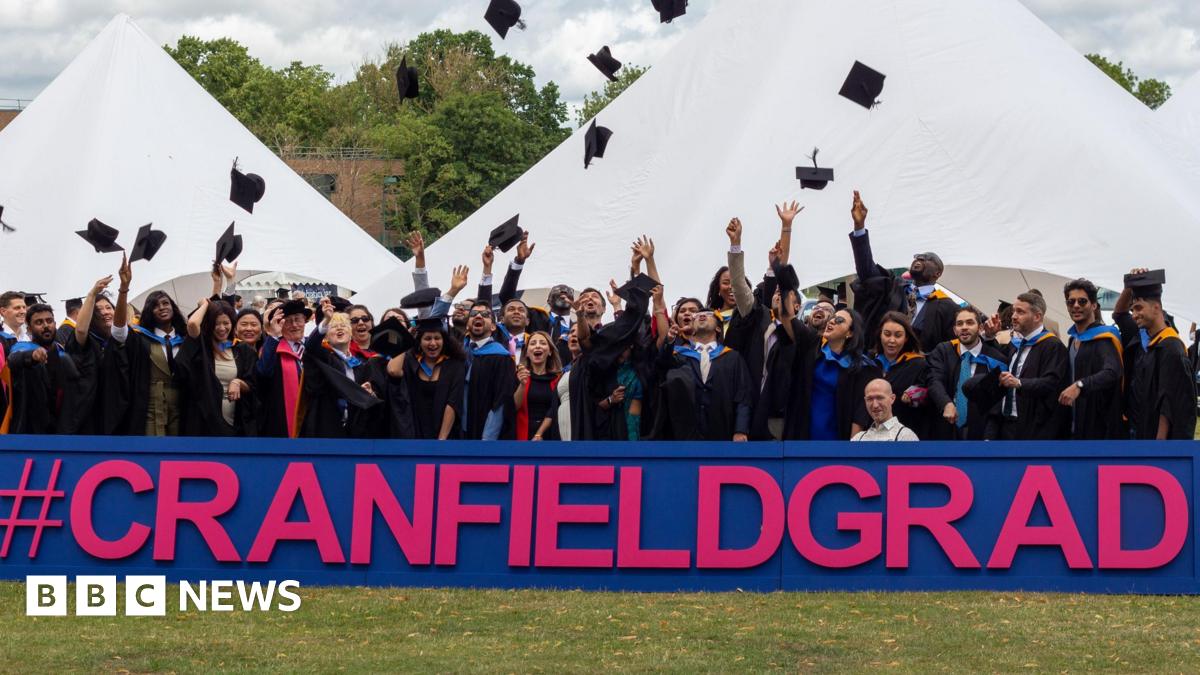
Cranfield University will merge with King’s College London in August 2027, forming a 'global university' while retaining its campuses and postgraduate focus. Staff and students express cautious optimism, though concerns about job security and course cuts remain despite assurances from university leadership.
Cranfield University, located in north Bedfordshire, will merge with King’s College London in August 2027, creating a larger institution without altering its existing campuses or core brands like the Cranfield School of Management. Prof Dame Karen Holford, the university’s vice-chancellor, emphasized that the merger aims to deliver 'purpose, drive, and scale,' with no anticipated job losses, though past staffing cuts have raised concerns among unions like UCU and UNISON. Current students face no immediate changes, as their courses will continue unchanged. However, the merger could introduce undergraduate programs, particularly in engineering, expanding Cranfield’s academic offerings beyond its current postgraduate focus. Holford highlighted the complementary strengths of both institutions, noting minimal overlap in their portfolios, with King’s providing services Cranfield lacks and vice versa. Students, including Zahra Karimi, president of the Cranfield Student Association, welcomed the merger as an opportunity for growth and enhanced research collaboration. Many feared the university would shrink, but the merger now positions Cranfield as part of a broader scientific community. The move follows financial pressures faced by 40% of English universities, raising questions about whether similar mergers may become more common. Unions have called for guarantees that no jobs or courses will be eliminated, despite Holford’s assurances that the merger is not tied to cost-cutting. The university’s five-year plan includes staff growth, though past reductions have left staff wary. Holford acknowledged past cuts but framed the merger as a strategic expansion rather than a retrenchment. The merger’s long-term impact on teaching, research, and student opportunities remains uncertain, but both institutions emphasize collaboration over consolidation. With the transition set for 2027, the focus now shifts to addressing staff concerns and ensuring a smooth integration of resources and academic programs.
This content was automatically generated and/or translated by AI. It may contain inaccuracies. Please refer to the original sources for verification.