What the elections tell us about the East of England
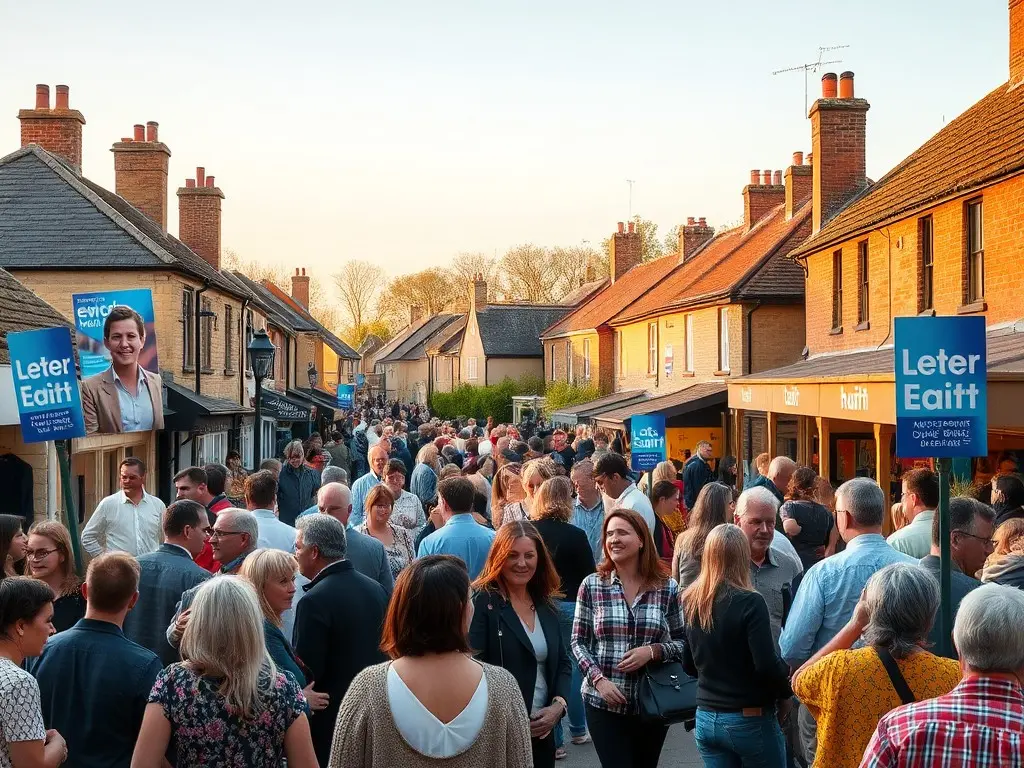
Local elections in the East of England have disrupted long-standing Conservative dominance, with Labour, Liberal Democrats, Greens, and Reform UK making significant gains. Turnout surged by 10-12%, reaching 60% in one Norwich ward, as voters shifted toward smaller parties and inexperienced councillors now face governance challenges.
The 2026 local elections in the East of England marked a turning point, ending decades of Conservative control as Labour, Liberal Democrats, Greens, and Reform UK gained ground. The Greens secured overall control of Norwich City Council, while the Liberal Democrats strengthened in South Cambridgeshire and Huntingdonshire—both former Conservative strongholds. Turnout rose sharply, with Essex seeing 90,000 more votes than 2021, and some wards exceeding 50% participation, driven by support for smaller parties like Reform UK, which claims over 260,000 members. Many newly elected councillors, particularly from Reform and the Greens, lack prior experience, raising concerns about their ability to manage budgets and local services like bin collections and social care. Council staff will provide guidance, but officials worry inexperienced leaders may delay decisions or make errors. The shift in political dynamics reflects voter dissatisfaction and a willingness to support non-traditional parties if they deliver results. The elections coincide with national changes under Labour, including plans for large solar farms, new housing developments, and local government reorganization by 2028. While the region’s political landscape has stabilized under the new planning laws, the influx of inexperienced councillors adds uncertainty. Reform UK and the Greens now hold significant influence, forcing established parties to adapt or risk further losses. Conservative leaders dismiss the results as a protest vote, arguing their supporters may return by the next general election. However, the trend suggests lasting change, with voters prioritizing alternatives to traditional parties. The Greens’ membership tripled under leader Zack Polanski, underscoring growing public engagement with smaller political movements. With councils set to choose leaders and allocate responsibilities, the coming months will determine whether the East of England’s political realignment leads to effective governance or prolonged instability.
This content was automatically generated and/or translated by AI. It may contain inaccuracies. Please refer to the original sources for verification.