What vampire films reveal about our world
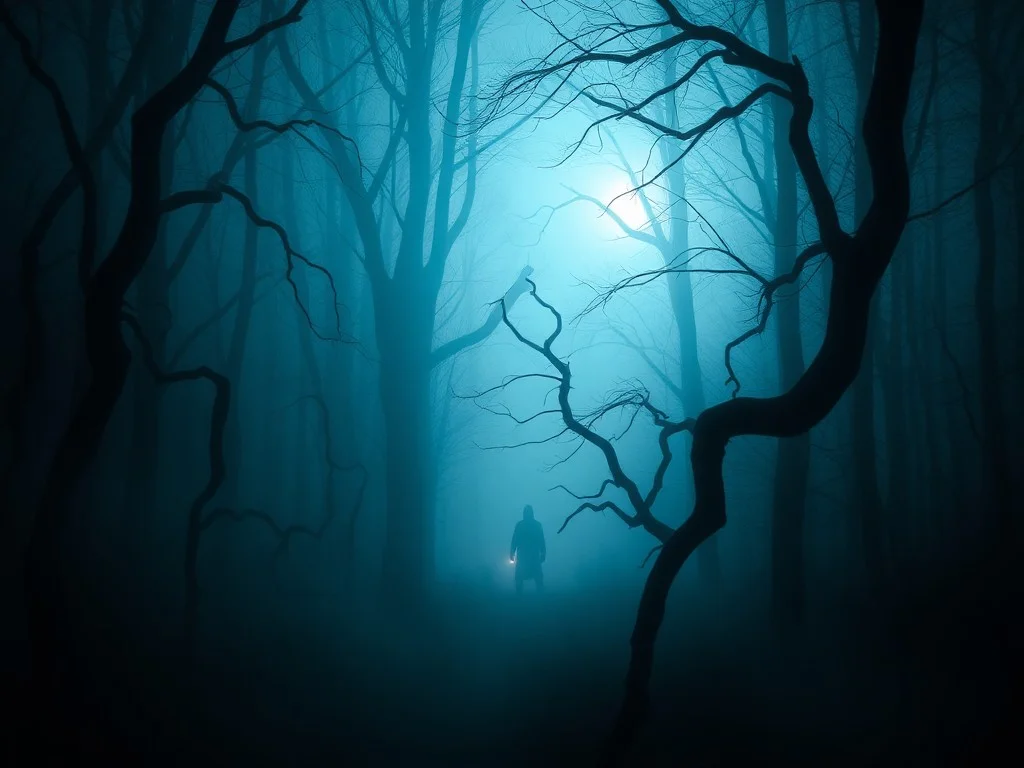
Vampire films reflect societal fears and anxieties, evolving over time to represent various concerns such as foreign invasion, disease, and powerlessness. Analyzing influential vampire films provides insight into the historical context and cultural values of their respective eras.
Vampire mythology has evolved significantly since its reported introduction in the 1700s, influenced by superstition and a misunderstanding of science. The representation of vampires in film has shifted over the decades, reflecting societal fears and anxieties. Early films like 'Nosferatu' (1922) and 'Dracula' (1931) portrayed vampires as foreign and mysterious, tapping into fears of invasion and the unknown. Later films, such as 'The Lost Boys' (1987), expanded on these themes, incorporating elements of romance and allure. The evolution of vampire films serves as a reflection of the cultural values and historical context of their time. By analyzing these films, we can gain insight into the societal concerns and anxieties of the past.
This content was automatically generated and/or translated by AI. It may contain inaccuracies. Please refer to the original sources for verification.