What’s in the US-Iran agreement?
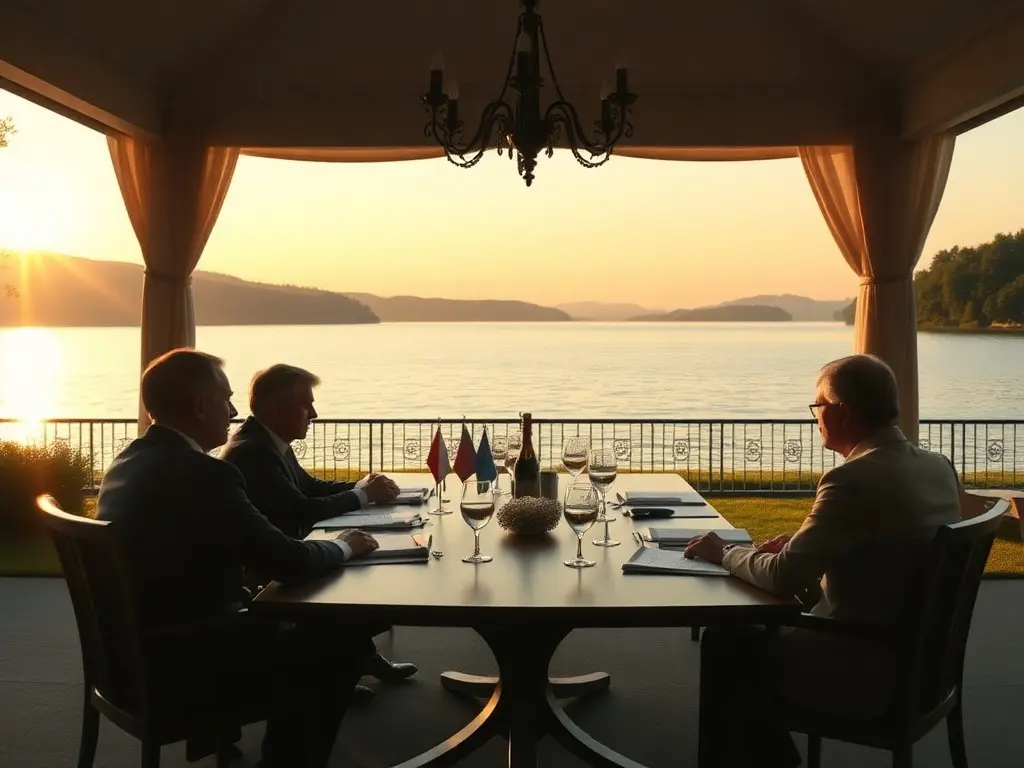
US officials released a 14-point Memorandum of Understanding (MoU) with Iran to extend the ceasefire, open the Strait of Hormuz, and end hostilities, with President Donald Trump announcing a potential signing as soon as Thursday at the G7 summit in Evian-les-Bains. The agreement includes a 60-day timeline for a final deal, removal of the US naval blockade on Iranian ports within 30 days, and commitments to respect sovereignty and terminate military operations across all fronts, including Lebanon, though Israel’s reaction remains unclear.
US officials have unveiled a 14-point Memorandum of Understanding (MoU) with Iran aimed at extending the ceasefire, reopening the Strait of Hormuz, and formally ending the conflict between the two nations. The agreement, described as 'performance-based,' requires Iran to comply with its commitments to receive benefits, according to the Trump administration. President Donald Trump announced at the G7 summit in Evian-les-Bains, France, that the deal could be signed as soon as Thursday. The first point of the agreement declares an 'immediate and permanent' termination of military operations on all fronts, including Lebanon, where Iran has repeatedly emphasized inclusion in the truce. The US has expressed concerns that Israeli military actions against Hezbollah could undermine the agreement, while Tehran has warned that continued Israeli operations would violate the understanding and trigger 'necessary measures.' The document also guarantees the 'territorial integrity and sovereignty' of Lebanon and prohibits either side from initiating military threats against the other. The second point emphasizes respect for 'internal affairs,' requiring both the US and Iran to refrain from interfering in each other’s sovereignty. This provision may face opposition from Iranian dissident groups, particularly after Trump’s earlier pledge of support to protesters during anti-government demonstrations. The MoU establishes a 60-day timeline for negotiating a final deal, though this period can be extended with mutual consent. The signing ceremony is planned for Geneva later this week, with Iranian Foreign Ministry spokesman Esmaeil Baqaei confirming that discussions about whether the presidents of both countries will attend are ongoing. Under the fourth point, the US will begin lifting its naval blockade on Iranian ports immediately after the MoU is signed, with full removal within 30 days. Commercial vessel traffic through Iranian ports will be restored proportionally to the Strait of Hormuz’s reopening. Additionally, the US has committed to withdrawing military forces from Iran’s proximity within 30 days of a final deal, reverting to pre-hostility military postures established before February 28. The fifth point requires Iran to facilitate safe, fee-free passage for commercial vessels through the Strait of Hormuz upon signing the MoU. The agreement aims to stabilize regional shipping lanes while addressing long-standing US concerns about Iranian interference in the critical waterway.
This content was automatically generated and/or translated by AI. It may contain inaccuracies. Please refer to the original sources for verification.