When a stroke strikes, impacts can last for a lifetime, former Walmart executive and stroke survivor says
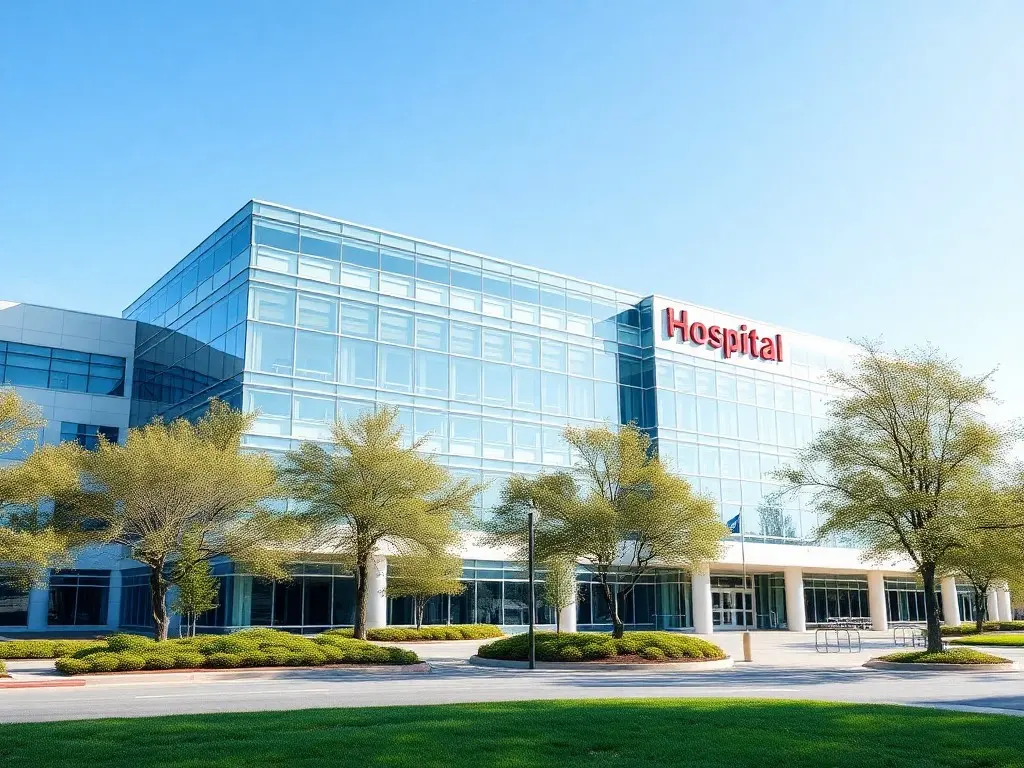
Former Walmart executive Earvin Young, 59, suffered two strokes in January 2025, leaving him paralyzed and partially unable to speak, and now advocates for stroke awareness after recovering partially. Arkansas has one of the highest stroke death rates in the U.S., with significant regional disparities in healthcare resources, particularly in southern and southeastern areas.
Earvin Young, a 59-year-old former Walmart executive and avid cyclist, experienced two strokes within 10 days in January 2025. On January 2, his son found him unconscious in Springdale, Arkansas, and he was rushed to Northwest Medical Center before being transferred to Washington Regional Medical Center in Fayetteville, a certified stroke center. Doctors confirmed a blood clot had likely already passed, but Young suffered a second, more severe stroke 10 days later at Mercy’s Rehabilitation Hospital in Rogers, paralyzing him and temporarily impairing his speech. Young described the aftermath as an out-of-body experience, recalling paramedics and nurses attempting to revive him while he felt unable to respond. He later woke to a doctor suggesting hospice, fearing he might not survive. Despite the grim prognosis, Young gradually recovered, crediting his prior focus on health—including regular cycling and gym visits—for his partial rehabilitation. Now an advocate for stroke awareness, Young attributes his strokes to a combination of family history and long-standing high blood pressure. His mother died of a heart attack in 2023, his father in 2018 from heart complications, and he is the fifth family member to suffer a stroke in three years. He emphasizes that 80% of stroke risk factors—such as blood pressure, diet, and physical activity—are preventable. Young has launched a blog to share his journey and educate others about stroke recovery, calling it both therapeutic and a way to inspire resilience. He highlights disparities in Arkansas’ stroke resources, noting that Northwest Arkansas has better access—including Washington Regional Medical Center, a Comprehensive Stroke Center, and research at the Alice L. Walton School of Medicine—while southern regions lack comparable support. Arkansas ranks among the highest nationally for stroke deaths, with rates exceeding 100 per 100,000 in some counties, per CDC data. Young’s story underscores the lifelong impact of strokes, which he calls the only traumatic event affecting both circulatory and neurological systems. He now focuses on adapting to his new reality, urging others to recognize stroke risks and the importance of rehabilitation. His advocacy aims to reduce stigma and improve awareness of post-stroke life.
This content was automatically generated and/or translated by AI. It may contain inaccuracies. Please refer to the original sources for verification.