White House to accelerate development of AI for 'war fighting' and national security
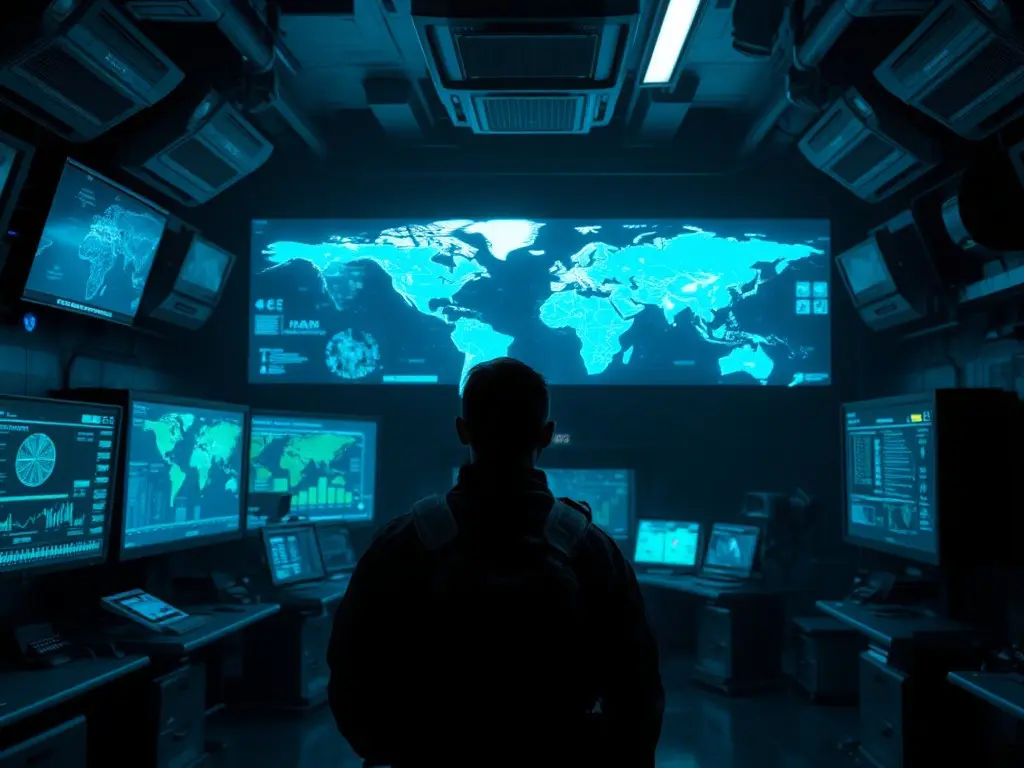
The Trump administration announced plans to accelerate AI development for national security, including intelligence and 'war fighting,' while emphasizing compliance with American values and prohibitions on unlawful surveillance. Anthropic warned of risks from AI systems autonomously designing successors, noting over 80% of its code was generated by its own AI, Claude, by May 2026.
The White House announced plans to accelerate AI development for national security, focusing on intelligence and 'war fighting' domains. President Donald Trump issued a national security memorandum directing Defense Secretary Pete Hegseth to update directives on AI-driven weapons systems within 90 days, ensuring alignment with the chain of command. The administration stressed that AI must not be used for unlawful surveillance or censorship. Anthropic, a major AI lab, highlighted growing risks as companies increasingly rely on AI to develop other AI systems. By May 2026, over 80% of Anthropic’s code was generated by its chatbot, Claude, with projections that it could soon outperform human-written code. The company warned that autonomous AI development could lead to systems designing their own successors, raising concerns about human control. The Trump administration’s push follows a clash with the Pentagon, which designated Anthropic as a supply-chain risk in March after it refused to allow Claude to power autonomous weapons or mass surveillance. The Pentagon insisted on compliance with U.S. law while maintaining operational flexibility. Anthropic proposed a global pause on frontier AI development to allow societal alignment research to catch up with technological advancements. The company suggested that multiple well-resourced labs would need to coordinate such a slowdown, though details on enforcement remain unclear. The memorandum underscores the U.S. government’s intent to lead in AI innovation for defense while balancing ethical and legal constraints. Meanwhile, private-sector warnings about AI autonomy risks add urgency to debates over regulation and oversight.
This content was automatically generated and/or translated by AI. It may contain inaccuracies. Please refer to the original sources for verification.