WHO Declares First PHEIC Without Emergency Committee as Bundibugyo Ebola Kills 139, Infects First American
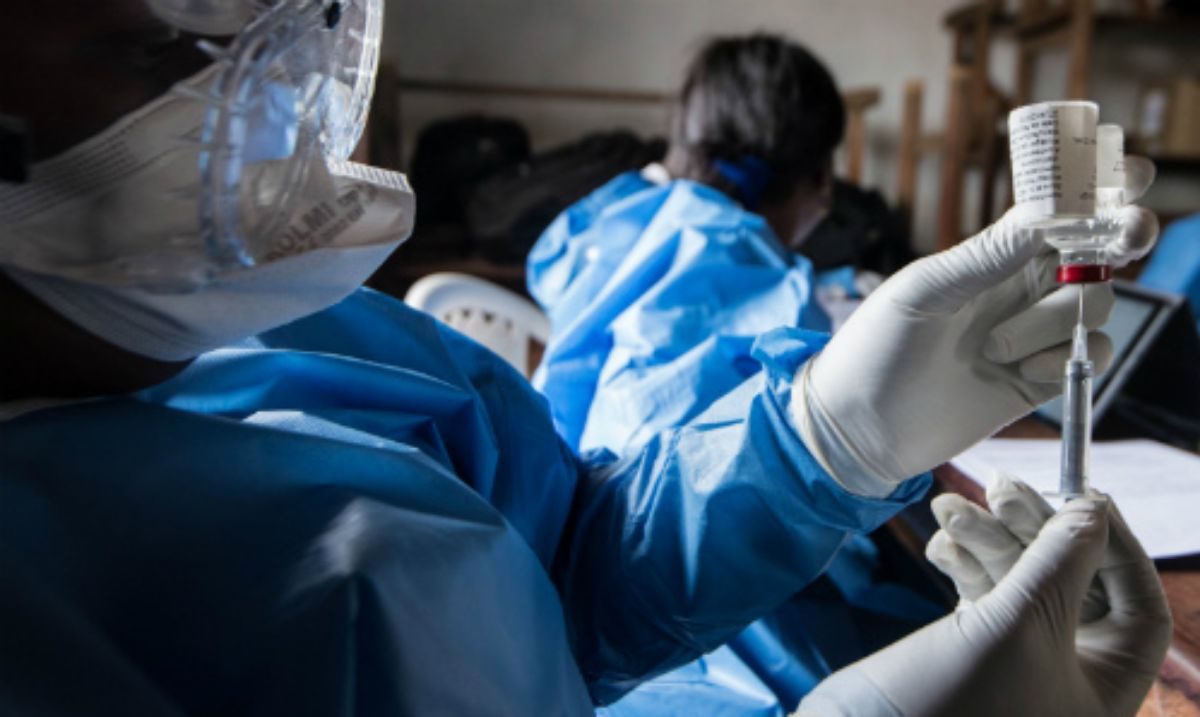
The World Health Organization declared a Public Health Emergency of International Concern (PHEIC) for the Bundibugyo Ebola outbreak on May 17, 2026, marking the first time emergency powers were invoked without consulting its expert panel. The strain, with no vaccine or treatment, has caused 139 deaths and infected an American missionary doctor, Dr. Peter Stafford, who was evacuated to Berlin, while the U.S. imposed travel restrictions on visitors from DRC, Uganda, and South Sudan.
The World Health Organization (WHO) declared a Public Health Emergency of International Concern (PHEIC) for the Bundibugyo Ebola outbreak on May 17, 2026, the first time emergency powers were used without convening its expert panel. The outbreak, caused by the Bundibugyo strain—with no licensed vaccine or treatment—has resulted in 600 suspected cases and 139 deaths as of May 20, according to WHO figures. An American missionary doctor, Dr. Peter Stafford, tested positive for Ebola on May 17 while working in Bunia, Ituri Province, Democratic Republic of the Congo (DRC). The CDC confirmed his infection and arranged his evacuation to Charité University Hospital in Berlin, where his condition improved with monoclonal antibody treatment. His wife, Dr. Rebekah Stafford, and their four children were also transferred to Berlin, while a fellow physician, Dr. Peter LaRochelle, was sent to Prague for monitoring. Stafford is the first confirmed American infection in this outbreak. The outbreak began with an undetected spread, as initial field tests failed to detect the Bundibugyo strain due to its 30% genetic difference from the Zaire Ebola strain. The earliest known case, a healthcare worker in Bunia, died on April 27 before the illness was identified as Ebola. Samples had to be sent 1,700 kilometers to Kinshasa for confirmation, which occurred on May 15. The WHO was alerted to a high-mortality cluster in Mongbwalu Health Zone on May 5, but the delay in diagnosis worsened the outbreak. Healthcare workers remain at highest risk, as the virus spread for nearly three weeks before detection. The U.S. has barred entry to non-citizen travelers from DRC, Uganda, and South Sudan within the last 21 days, citing the outbreak’s severity. The Bundibugyo strain’s unique genetic makeup complicates containment efforts, as standard Ebola tests are ineffective. The CDC has evacuated Stafford and six other high-risk contacts from DRC, with none scheduled to return to the U.S. The outbreak underscores gaps in global health surveillance and response systems.
This content was automatically generated and/or translated by AI. It may contain inaccuracies. Please refer to the original sources for verification.