Who should control AI in war: Humans or machines? A debate is growing inside the Pentagon
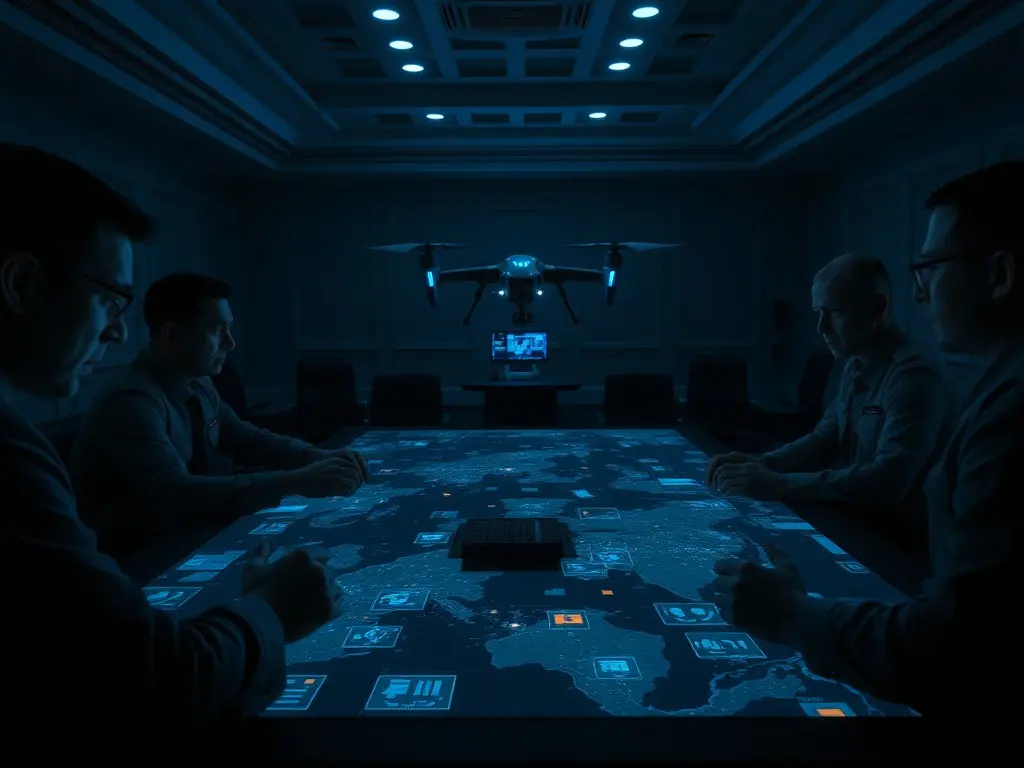
Adm. Frank Bradley, head of U.S. Special Operations Command, warned at a special forces conference in Tampa, Florida, that military leaders must carefully consider AI’s role in combat operations and its impact on lethality. His remarks highlight a growing internal debate within the Pentagon about whether humans or machines should control AI-driven warfare systems.
Adm. Frank Bradley, the head of the U.S. Special Operations Command, addressed concerns about artificial intelligence in warfare during a recent special forces conference in Tampa, Florida. He emphasized that military personnel must exercise caution in integrating AI into combat operations, particularly regarding its role in delivering lethal capabilities. Bradley’s remarks reflect a broader internal discussion within the Pentagon about the ethical and operational implications of AI-driven decision-making in warfare. The conference highlighted tensions over whether humans or autonomous machines should retain ultimate control over AI systems used in military engagements. Critics argue that over-reliance on AI could erode human judgment and accountability, while proponents suggest AI could enhance precision and reduce risk to troops. Bradley’s warning underscores the need for careful policy development to balance technological advancement with military doctrine. The Pentagon has previously explored AI applications in drone warfare, cyber operations, and real-time battlefield analysis. However, Bradley’s comments signal a shift toward scrutinizing AI’s broader role in decision-making, including targeting and force deployment. His remarks were made during a gathering of elite special operations units, indicating deep concern among top military leaders. The debate extends beyond technical capabilities to questions of trust, transparency, and command authority. Some officials advocate for strict human oversight, while others propose hybrid models where AI assists but does not replace human decision-making. Bradley’s cautionary tone suggests the Pentagon is still grappling with how to integrate AI without compromising core military values. The discussion comes as AI advancements accelerate globally, raising concerns about an arms race in autonomous weapons. The U.S. military’s approach could set a precedent for other nations navigating similar ethical and strategic dilemmas. For now, Bradley’s warning serves as a reminder that the future of AI in warfare remains uncertain and requires deliberate consideration.
This content was automatically generated and/or translated by AI. It may contain inaccuracies. Please refer to the original sources for verification.