Who was Dolly the Sheep? The real story behind Channel 4's jaw-dropping documentary
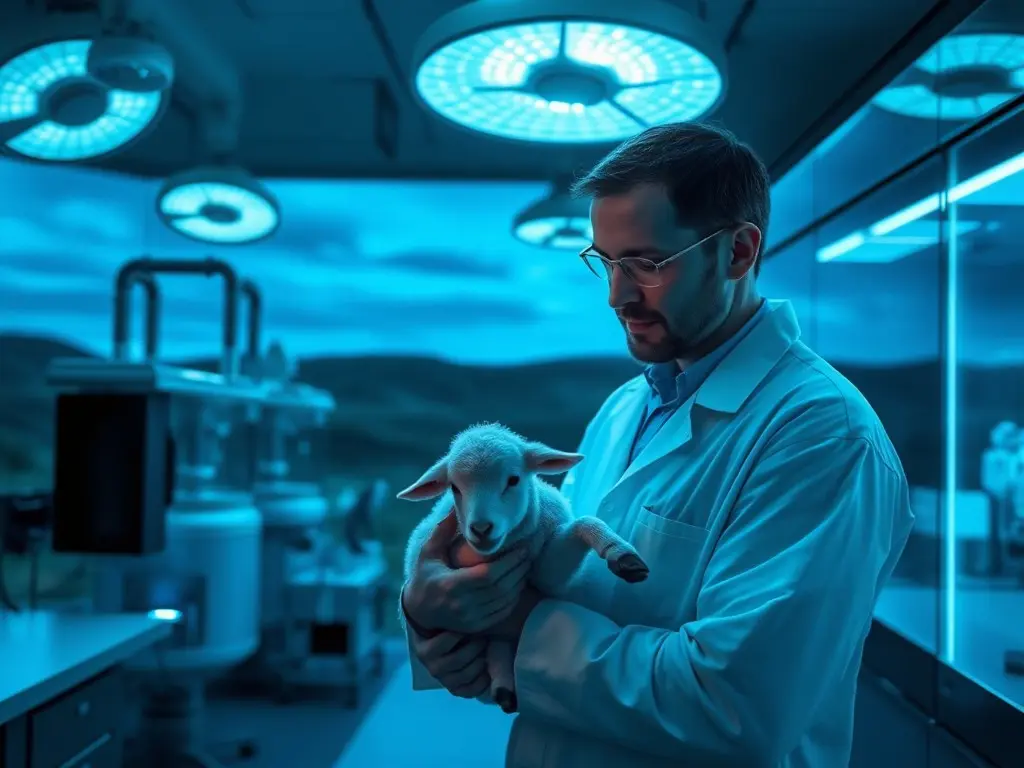
Dolly the Sheep, the first mammal cloned from an adult cell, was born on 5 July 1996 at the Roslin Institute near Edinburgh through research led by Ian Wilmut and Keith Campbell. Her birth sparked global debates on ethical boundaries of cloning, leading to regulatory reviews and public concern about potential human applications, despite her own healthy and reproductive life before her death in 2003 from a common sheep lung disease.
Dolly the Sheep, born on 5 July 1996 at the Roslin Institute near Edinburgh, became the first mammal cloned from an adult cell using a technique scientists had long considered impossible. Researchers Ian Wilmut and Keith Campbell successfully combined a cell taken from the mammary gland of a Finn Dorset sheep with an unfertilized egg cell, implanting it into a surrogate mother. After 277 failed attempts, Dolly emerged as a healthy lamb, though her name was inspired by country singer Dolly Parton due to the mammary tissue origin of her cells. Her birth in February 1997 triggered worldwide headlines and ethical debates, raising fears that human cloning could follow. Governments, including the U.S. under President Bill Clinton, imposed funding bans and launched reviews, while scientists and ethicists questioned whether science was advancing faster than societal acceptance. Dolly’s existence challenged long-held assumptions about the limits of reproductive biology and ignited discussions on the moral implications of genetic manipulation. Despite the controversy, Dolly lived a relatively normal life at the Roslin Institute, where she became a famous attraction. She reproduced naturally, giving birth to six lambs after mating with a Welsh Mountain ram named David, disproving early concerns that cloned animals might be infertile. Her health remained a point of scrutiny, however, as she was later diagnosed with osteoarthritis in 2001, fueling speculation about accelerated aging in cloned organisms. Dolly was euthanized in February 2003 at age six due to ovine pulmonary adenocarcinoma, a lung disease common in sheep, particularly those kept indoors. While some critics linked her death to cloning, scientists argued there was no definitive evidence that her condition stemmed from the process itself. Today, her preserved body is displayed at the National Museum of Scotland, serving as a historical artifact of one of science’s most groundbreaking achievements. The legacy of Dolly the Sheep extends beyond her lifetime, influencing global cloning regulations and public discourse on biotechnology. Her story remains a pivotal moment in scientific history, illustrating both the potential and ethical dilemmas of genetic research. The Roslin Institute’s breakthrough demonstrated that cloning was not only possible but could produce viable, healthy organisms, reshaping the boundaries of what science could accomplish.
This content was automatically generated and/or translated by AI. It may contain inaccuracies. Please refer to the original sources for verification.