Who Won May’s Auto Sales Race? Tata, Mahindra And Maruti Tell Different Stories
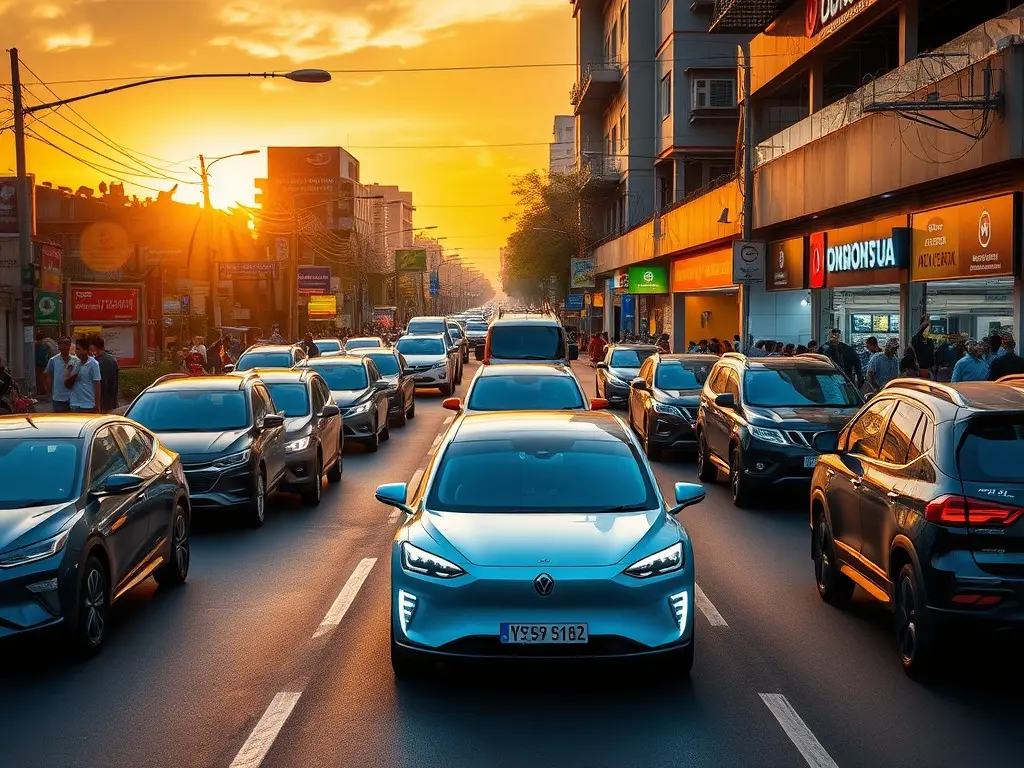
Maruti Suzuki dominated India’s passenger vehicle market in May 2026 with 1,90,337 units sold, a 40% year-on-year increase, while Tata Motors narrowly held second place ahead of Mahindra with 59,090 and 58,021 units sold, respectively. Tata’s EV sales surpassed 10,000 units for the first time, while Hyundai faced sequential decline despite year-on-year growth, reflecting shifting consumer trends toward SUVs and electrification.
India’s passenger vehicle market saw continued growth in May 2026, with Maruti Suzuki leading by a significant margin. The company sold 1,90,337 units, marking a 40% increase year-on-year and a 1.4% rise from April. SUVs accounted for 79,267 units, while small cars like the Alto K10, Wagon R, and S-Presso contributed 81,555 units. Maruti plans to introduce India’s first flex-fuel passenger vehicle on June 4 and announced price hikes of up to Rs 30,000 for select models due to rising costs. Tata Motors retained second place with 59,090 units sold, a 42.2% year-on-year increase, while Mahindra followed closely with 58,021 SUV units, up 10.7%. The gap between them was just over 1,000 units, highlighting a tight competition. Tata’s EV sales exceeded 10,000 units for the first time, supported by strong demand for the updated Tiago and Tiago EV models. Mahindra’s sales were constrained by supply-chain issues, despite robust demand for models like the Scorpio, Thar, and XUV 3XO. Hyundai remained in fourth place with 47,837 units sold, a 9.1% year-on-year increase, but faced a 7.8% sequential decline from April. The company aims to regain momentum amid shifting consumer preferences toward SUVs and electrification. Industry trends indicate rising demand for SUVs and electric vehicles, reshaping India’s automotive landscape. Tata’s retail demand surged over 50% year-on-year under its Vahan initiative, while Mahindra’s growth was limited by supply constraints. Maruti’s upcoming flex-fuel vehicle and price adjustments reflect broader industry shifts toward alternative powertrains and cost management. The competition among Tata, Mahindra, and Hyundai underscores evolving consumer behavior and market dynamics in India’s auto sector.
This content was automatically generated and/or translated by AI. It may contain inaccuracies. Please refer to the original sources for verification.