Why a frustrated Trump is turning again to bombs to force Iran’s hand
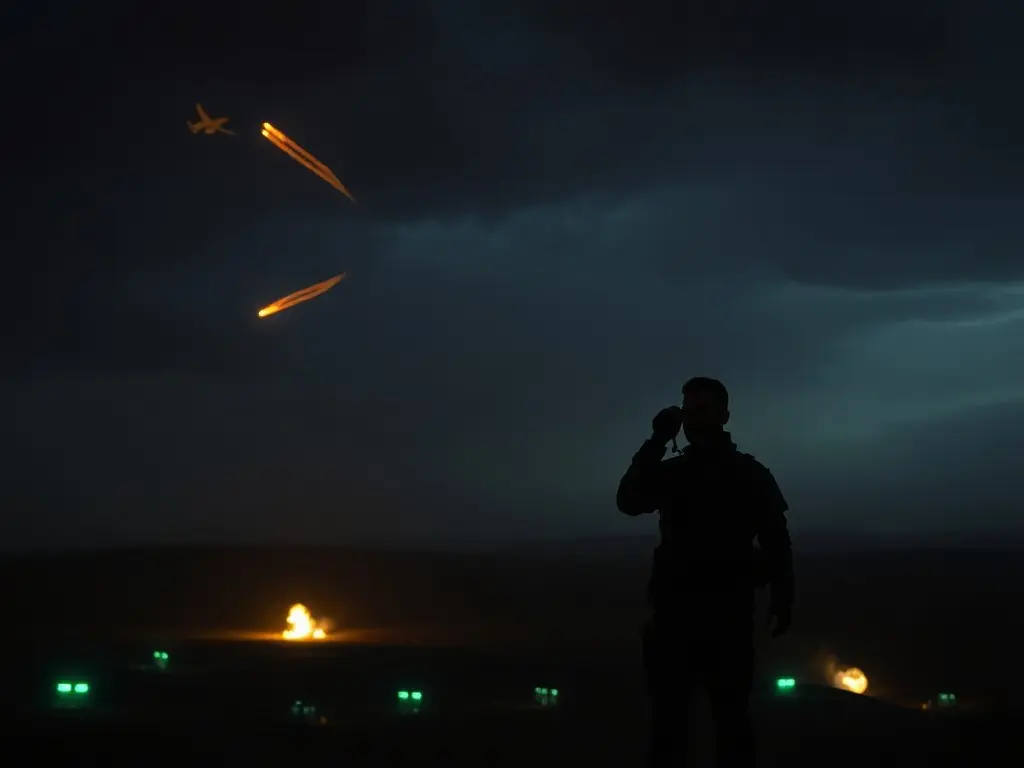
The Trump administration launched precision airstrikes on Iranian military targets, including surveillance and air defense systems, escalating tensions after accusing Tehran of obstructing negotiations. Iran dismissed threats of force as ineffective, while analysts warn the strikes may further entrench Tehran’s resistance and risk spiraling the conflict beyond control.
The Trump administration ordered new US military strikes against Iran on Wednesday, targeting Iranian surveillance, communication, and air defense assets in southern Iran. The attacks followed Trump’s accusation that Iran was ‘tapping us along’ and refusing to negotiate, with Defense Secretary Pete Hegseth stating the strikes were meant to ‘clearly signal’ to Tehran and ‘enhance’ the US diplomatic position. ‘If we need to negotiate with bombs, we will negotiate with bombs,’ Hegseth said, though the full extent of the damage remains unconfirmed. The strikes came hours after Qatari negotiators met with Iranian officials to finalize a memorandum of understanding between Washington and Tehran. This marks the latest escalation in a pattern where Trump has repeatedly used military force to pressure Iran, despite past diplomatic efforts. Trump’s frustration with Iran’s refusal to reopen the Strait of Hormuz or halt its nuclear program has driven this approach, though analysts suggest such tactics may only deepen Tehran’s defiance. Iran’s ambassador to the United Nations, Amir Saeid Iravani, rejected the use of force, stating that ‘no lasting agreement can be achieved through threats, intimidation or the use of force.’ The country has signaled it will not be coerced into negotiations through military pressure. Meanwhile, US Central Command confirmed the strikes targeted Iranian capabilities near the Strait of Hormuz, a critical shipping route. Critics warn that the strikes increase the risk of unintended escalation, with Iran retaining the ability to retaliate against regional allies like the UAE or Qatar. Rep. Jim Himes, top Democrat on the House Intelligence Committee, noted that Iran could also mobilize Houthi rebels in Yemen as part of a broader response. The situation remains volatile, with no clear path to de-escalation despite repeated US military actions.
This content was automatically generated and/or translated by AI. It may contain inaccuracies. Please refer to the original sources for verification.