Why AI is key to XPENG's plans for self-driving cars
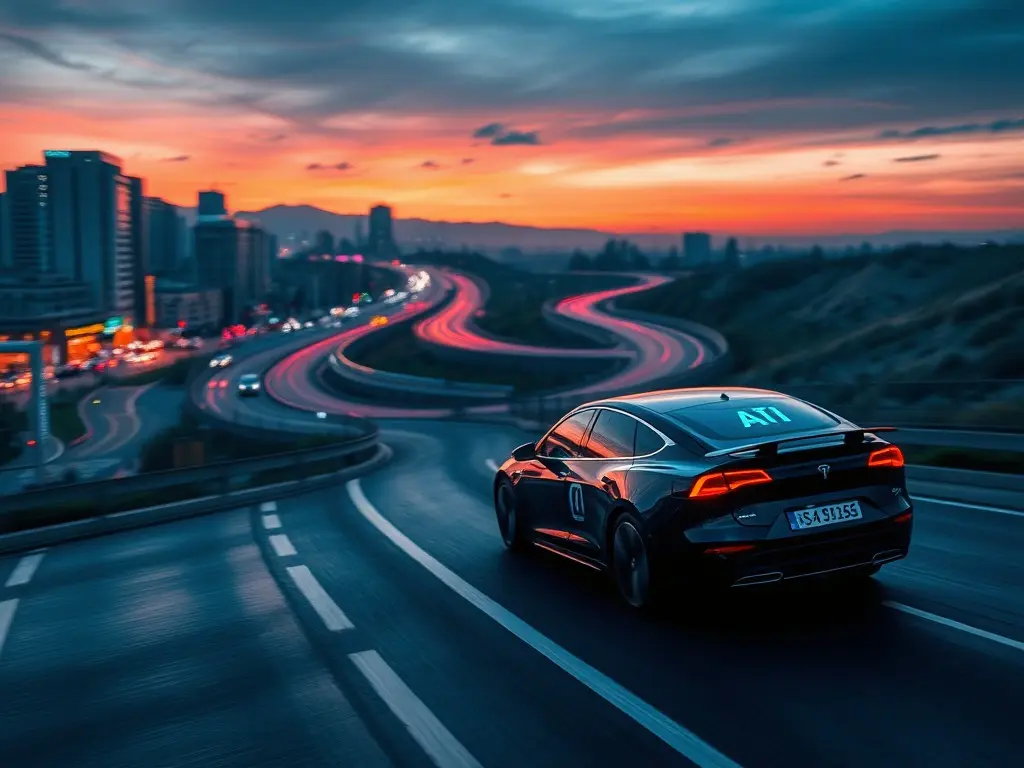
XPENG announced a 2027 global rollout for its VLA 2.0 autonomous driving system, claiming it is the first AI-powered L4-level system in China, capable of handling complex urban and rural driving scenarios with minimal human intervention. The company’s General Intelligence Center head, Dr. Xianming Liu, emphasized that VLA 2.0 marks a shift toward solving broader AI challenges beyond traditional autonomous driving frameworks.
XPENG, a Chinese electric vehicle manufacturer, plans to launch its next-generation autonomous driving system, VLA 2.0, globally in 2027. The company describes VLA 2.0 as the first AI-driven system with L4 potential in China, a significant step toward fully autonomous vehicles. Unlike its previous L2 Navigation Guided Pilot (NGP) system, VLA 2.0 focuses on solving physical AI challenges rather than just autonomous driving tasks. During a test ride in Beijing, an XPENG P7 equipped with VLA 2.0 demonstrated strong performance in navigating complex urban roads, rural streets, and busy traffic conditions. The system handled parking autonomously after passengers exited the vehicle, though it required occasional driver intervention, indicating it is not yet fully autonomous. XPENG’s General Intelligence Center head, Dr. Xianming Liu, highlighted that VLA 2.0 represents a fundamental shift in AI-driven automotive technology. The VLA 2.0 system integrates vision, language, and action capabilities, setting it apart from traditional autonomous driving frameworks that rely on perception, prediction, and planning. XPENG has avoided claiming full autonomy, citing safety concerns after incidents involving other self-driving robotaxi services like Tesla and Waymo. Liu noted that addressing AI challenges will transform the entire industry, moving beyond incremental improvements in driving automation. While VLA 2.0 is not fully driverless, its performance in real-world conditions suggests progress toward higher autonomy levels. The system’s ability to adapt to diverse environments—from congested city streets to rural roads—demonstrates its potential as a step closer to L4 autonomy. XPENG’s 2027 rollout timeline positions it as a competitor in the evolving race for advanced self-driving technology.
This content was automatically generated and/or translated by AI. It may contain inaccuracies. Please refer to the original sources for verification.