Why Australia still struggles to build bike-friendly cities
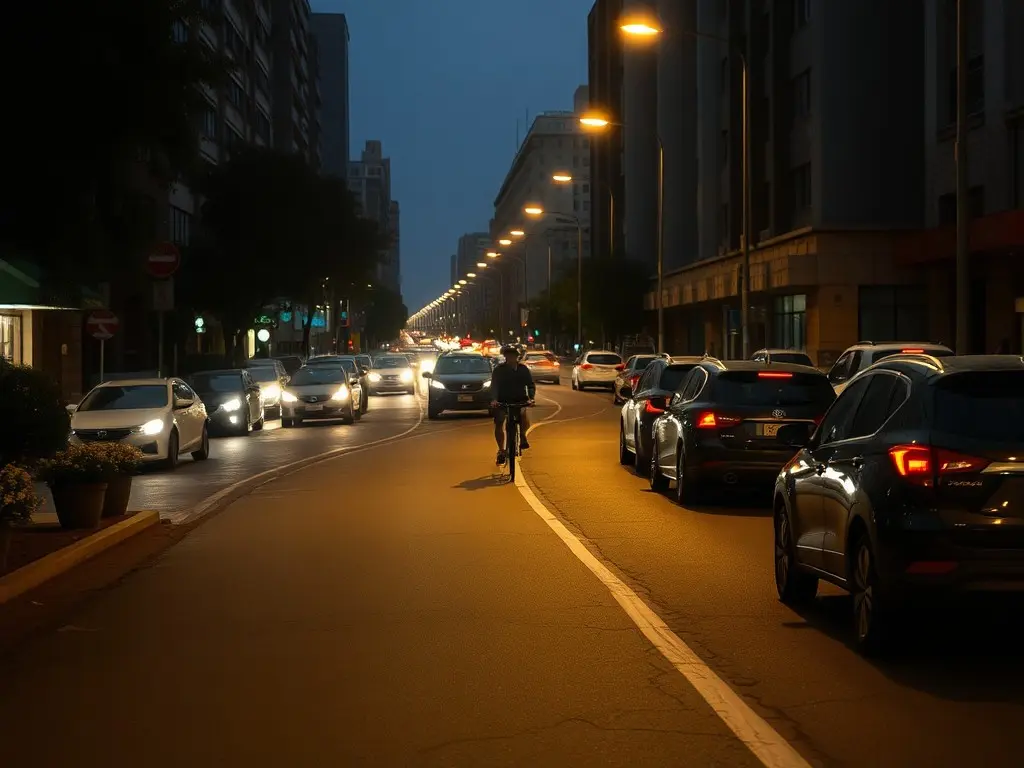
Australia’s cycling infrastructure remains fragmented due to political resistance and prioritization of car-centric policies, despite widespread demand for active transport solutions. Experts and advocates like Hayden Lavigne argue that systemic delays and opposition to bike lanes—often driven by concerns over parking and traffic—have stifled progress, leaving cycling participation stagnant despite surging e-bike sales and climate goals.
Australia’s cycling networks are expanding at a glacial pace, leaving a cohesive system decades away, according to advocates and experts. Hayden Lavigne, a 27-year-old Melbourne resident, abandoned his efforts to push for bike-friendly infrastructure after years of frustration with local councils. He cited political cowardice, particularly resistance to changes that affect parking or trader access, as the primary barrier to progress. Lavigne, who avoids driving to reduce emissions, founded a community group to advocate for ‘people over cars’ but shut it down after seeing climate and transport strategies abandoned when parking concerns arose. Nearly every state and local government in Australia has adopted active transport strategies to boost cycling and walking, citing benefits like improved health, reduced emissions, and lower traffic congestion. Yet cycling participation has remained stagnant over the past decade, despite recent spikes in e-bike sales linked to rising fuel costs. Experts argue cycling has greater growth potential than walking due to the frequency of short trips within cycling distance of homes or public transport hubs. Lavigne’s experience reflects broader tensions across Australian cities, where protests like Melbourne’s monthly ‘Take the Road’ rides highlight the disconnect between policy and action. Advocates point to fragmented infrastructure—dead-end bike lanes, abrupt path terminations, and missing connections—as key obstacles. While some cities have made incremental progress, systemic resistance to reallocating road space persists, particularly when parking or commercial vehicle access is threatened. The mismatch between stated climate and transport goals and on-the-ground realities has left many Australians questioning whether their cities will ever prioritize active transport. Lavigne’s frustration underscores a deeper issue: even where political will exists, opposition from entrenched interests often derails progress. Without meaningful shifts in policy or public sentiment, Australia’s cycling culture may remain elusive despite its potential to address congestion, emissions, and public health challenges.
This content was automatically generated and/or translated by AI. It may contain inaccuracies. Please refer to the original sources for verification.