Why children are singing in Yiddish in Rio de Janeiro
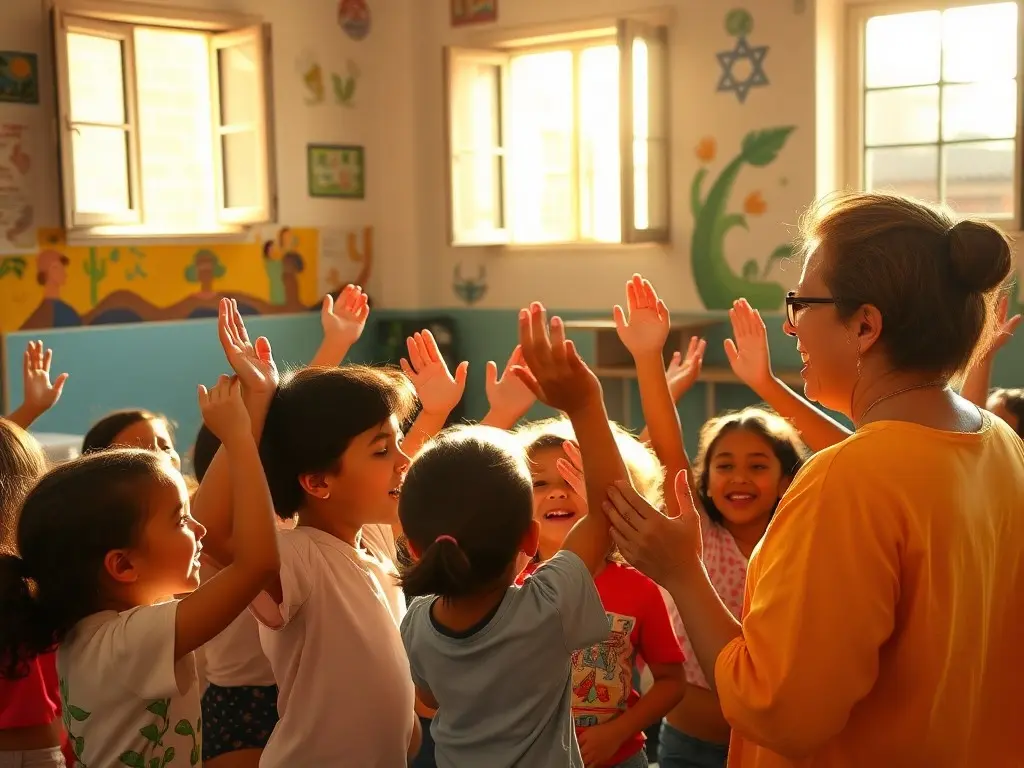
Sonia Kramer’s initiative, *Viver com Yiddish*, is reviving Yiddish among Rio de Janeiro’s children through music, workshops, and university courses, marking a cultural rediscovery after the language faded from Jewish day schools by the 2000s. Children at Escola Eliezer Max now spontaneously sing Yiddish songs, signaling the language’s emotional and cultural resurgence in Brazil.
Sonia Kramer’s *Viver com Yiddish* initiative has sparked a cultural rediscovery of Yiddish in Rio de Janeiro, where the language nearly vanished from Jewish day schools by the early 2000s. Inspired by a 2016 Yiddish immersion retreat, Kramer launched workshops blending songs, stories, and games for children at Escola Eliezer Max. The program now reaches 400–500 kids annually, alongside university courses and a musical ensemble, aiming to create emotional connections rather than fluency. Kramer, an emeritus professor at PUC-Rio and daughter of an Auschwitz survivor, rejects the term ‘revival’—Yiddish lacks daily use in Brazil—but sees value in its literature, songs, and poetry. ‘We skipped a generation,’ she says, noting earlier immigrants prioritized Portuguese over Yiddish, associating it with trauma. Now, educators like Alice Fucs, who joined after studying Yiddish in Kramer’s courses, teach through contemporary works to bridge the language’s stateless identity. Monthly workshops for preschool to fifth-grade students focus on *shmuesn* (conversation), music, and children’s books. Fucs highlights the challenge of detaching Yiddish from its historical context, using modern materials to engage kids. ‘Positive feelings connected to Yiddish’ drive the effort, she says, with spontaneous singing at playgrounds marking early success. The initiative extends beyond schools: university classes and research projects expand Yiddish’s presence in Rio’s cultural scene. Kramer’s vision centers on preserving the language’s legacy while adapting it to new generations. ‘Maybe later they will forget some of it. Maybe not,’ she reflects, emphasizing the momentary aliveness of Yiddish in Brazil’s classrooms and playgrounds.
This content was automatically generated and/or translated by AI. It may contain inaccuracies. Please refer to the original sources for verification.