Why Google's SpaceX deal signals the rise of the AI compute landlord
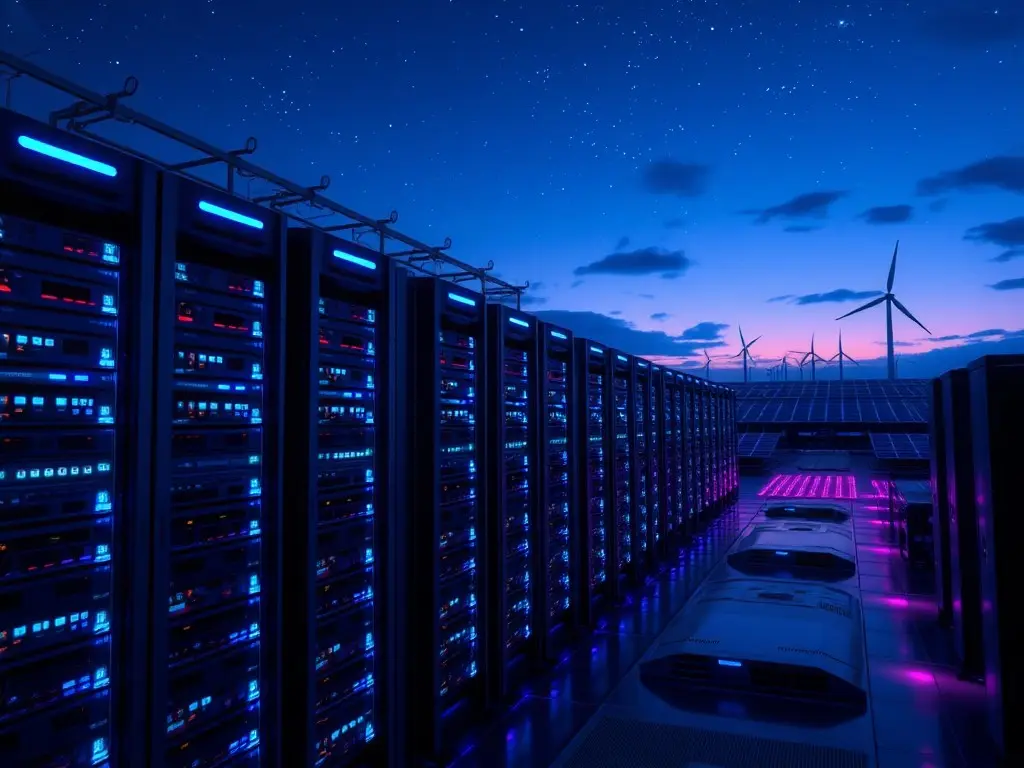
Google has agreed to pay SpaceX $920 million monthly from October 2026 to June 2029 for AI compute capacity, including 110,000 Nvidia GPUs, marking a shift toward treating AI infrastructure as a rentable asset. The deal reflects growing demand for specialized hardware, energy, and data center resources, with McKinsey projecting $6.7 trillion in global data center investments by 2030, driven largely by AI workloads.
Google has secured a $920 million per month agreement with SpaceX to rent AI compute capacity, covering roughly 110,000 Nvidia GPUs, CPUs, and related components. The contract, disclosed in SpaceX’s SEC filing, spans October 2026 to June 2029, subject to ramp-up and termination terms. For Google, this provides additional capacity to meet rising AI demand, while SpaceX gains recurring revenue from leasing GPU clusters. The deal highlights how AI compute infrastructure is evolving into a tradable asset, comparable to utilities like electricity or water. Traditionally, companies like Google Cloud Platform (GCP) have sold cloud services, but this agreement treats compute power as a physical resource that can be leased, priced, and scaled. SpaceX’s earlier $1.25 billion monthly deal with Anthropic further illustrates this trend, where AI firms seek external capacity beyond conventional cloud providers. AI workloads require more than just specialized chips; they demand high-voltage power, liquid cooling, high-bandwidth memory, and substantial capital investments. McKinsey estimates global data centers will need $6.7 trillion in outlays by 2030, with AI accounting for $5.2 trillion of that. Energy constraints are a critical bottleneck, as the International Energy Agency (IEA) projects data center electricity demand could surge significantly by 2030. The shift toward renting AI compute capacity underscores the growing scarcity of resources needed to train and run large language models. Companies are now competing for not just software and models but the physical infrastructure that powers them. This marks a transition from AI as a software-driven race to one dominated by hardware and energy availability. SpaceX’s role in managing these GPU clusters positions it as a key player in the AI infrastructure market. The agreement with Google follows a pattern where AI firms increasingly look beyond traditional cloud providers to secure the compute resources essential for their operations. This trend could reshape how technology companies invest in and access the foundational elements of AI development.
This content was automatically generated and/or translated by AI. It may contain inaccuracies. Please refer to the original sources for verification.