Why hybrids — not EVs — are winning over US consumers
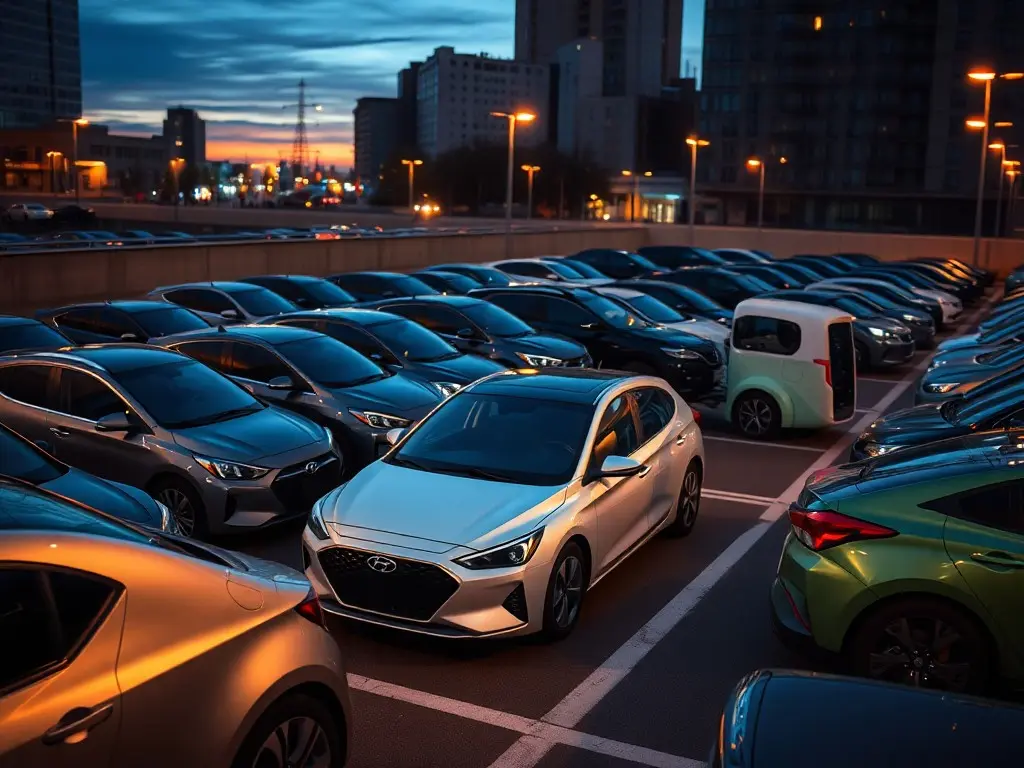
U.S. hybrid vehicle sales surged 20% year-over-year in April, while EV sales dropped 6-18% due to high upfront costs, despite rising gas prices. Analysts cite simpler economics and no charging infrastructure needs as key reasons for hybrid dominance over EVs in the American market.
U.S. hybrid vehicle sales rose 20% year-over-year in April, while electric vehicle (EV) sales declined between 6% and 18% month-over-month, according to Edmunds and Cox Automotive. The shift reflects consumer reluctance to pay higher upfront costs for EVs, with the average EV transaction price exceeding gas-powered vehicles by $6,214. Even with gas prices near $4.56 per gallon, drivers would need to drive over 40,000 miles to offset the price difference, assuming 30 mpg fuel efficiency. Hybrids offer a more accessible alternative, improving fuel economy by 25-45% without requiring charging infrastructure. Models like the Honda CR-V hybrid achieve 37 mpg compared to 29 mpg for its gas-only version. Toyota has accelerated this trend, discontinuing gas-only versions of the Camry and 2026 RAV4 in favor of hybrids. Sales of gas-powered vehicles also climbed 11% since February, coinciding with heightened geopolitical tensions in the U.S.-Iran conflict. Analysts attribute hybrid growth to simpler cost calculations and reduced range anxiety. Ivan Drury of Edmunds noted that while long-term savings exist for EVs, consumers struggle with upfront math. Stephanie Valdez Streaty of Cox Automotive called it a 'hybrid moment,' highlighting strong inventory and faster sales for used EVs, which saw a 3% sales increase and a $1,096 premium over used gas vehicles. However, used EV inventory is expected to grow as lease terms expire, easing supply concerns. The market dynamics contrast with global trends, where EVs gain traction in regions like Europe. In the U.S., high insurance costs, home charger requirements, and uncertain fuel price stability further delay EV adoption. Meanwhile, hybrids bridge the gap, offering efficiency without the barriers of full electrification.
This content was automatically generated and/or translated by AI. It may contain inaccuracies. Please refer to the original sources for verification.