Why India has made cough syrups prescription-only
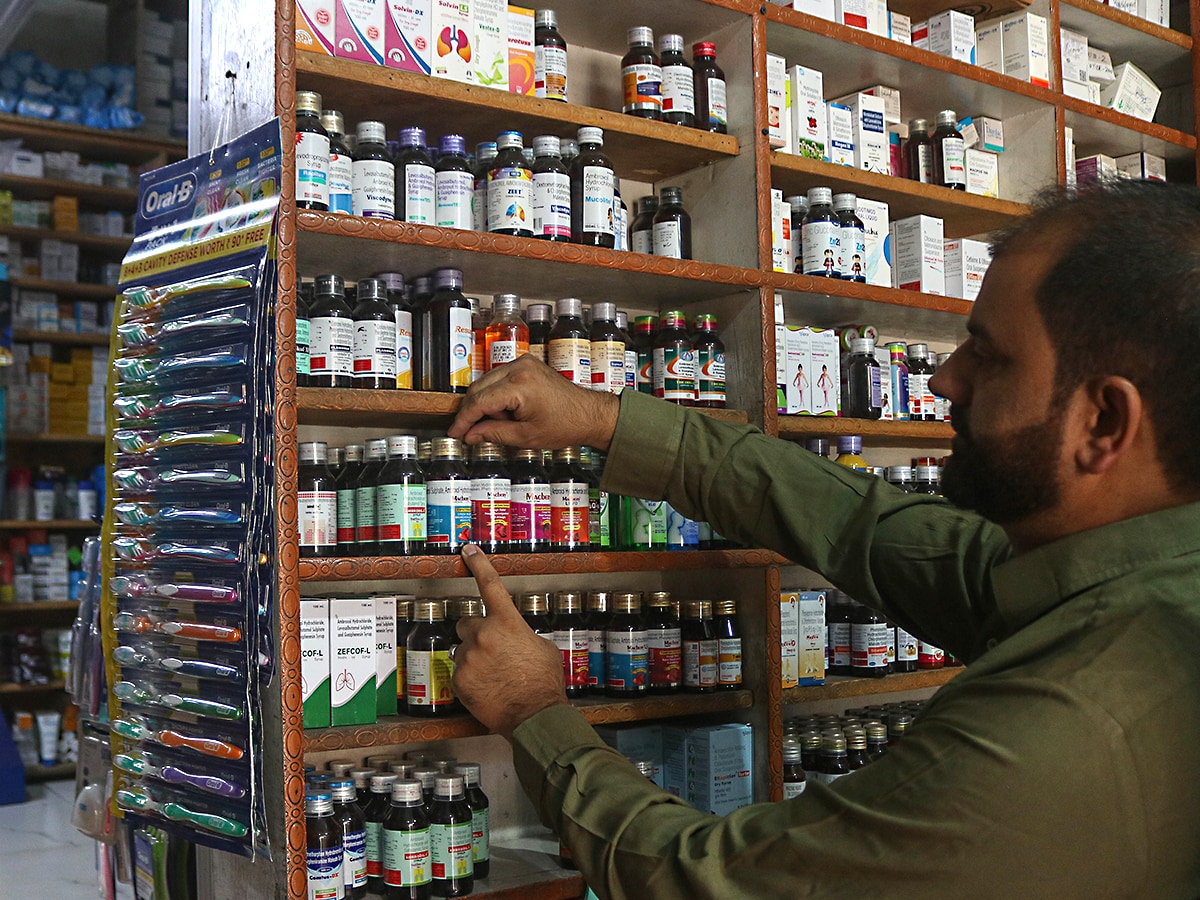
India’s Union health ministry amended the Drugs Rules, 1945, to make cough syrups prescription-only after contamination incidents and misuse concerns, including deaths linked to toxic chemicals like diethylene glycol (DEG). The move follows WHO alerts, past outbreaks, and regulatory scrutiny over codeine-based formulations driving addiction and illegal trafficking.
India’s Union health ministry amended the Drugs Rules, 1945, on Tuesday to remove cough syrups from the Schedule K exemption list, requiring prescriptions for their purchase. The decision follows multiple safety incidents, including the October deaths of 22 children in Madhya Pradesh’s Chhindwara district after consuming syrup contaminated with diethylene glycol (DEG), a toxic industrial chemical found at 48.6%—far exceeding the 0.1% permissible limit. The World Health Organization (WHO) issued a medical product alert in October after India reported contamination in three cough syrups, warning of severe illness or death, particularly for children. Earlier incidents included 70 child deaths in The Gambia and 18 in Uzbekistan in 2022, linked to Indian-manufactured syrups, prompting export testing mandates. Domestic cases include 17 child deaths in Jammu and Kashmir (2020) and 33 in Gurugram (1998). Misuse of codeine phosphate-based syrups has also driven regulatory action. In April, the Supreme Court flagged addiction risks, while the Enforcement Directorate raided 25 locations in Uttar Pradesh, Jharkhand, and Gujarat in December, alleging illegal trafficking networks diverting syrups to Nepal and Bangladesh. Codeine, though prescribed for severe coughs, poses addiction risks due to its opioid properties. Doctors warn cough syrups are not as harmless as perceived, citing side effects like drowsiness, breathing problems, and allergic reactions. The Drug Consultative Committee approved the prescription-only move, citing accidental overdosing in children and systemic quality control failures. Cough tablets and lozenges remain over-the-counter, but the ministry’s action reflects broader efforts to tighten oversight amid repeated contamination and misuse risks.
This content was automatically generated and/or translated by AI. It may contain inaccuracies. Please refer to the original sources for verification.