Why India’s heatwaves feel more brutal than ever as warnings issued over ‘killer’ 48C heat
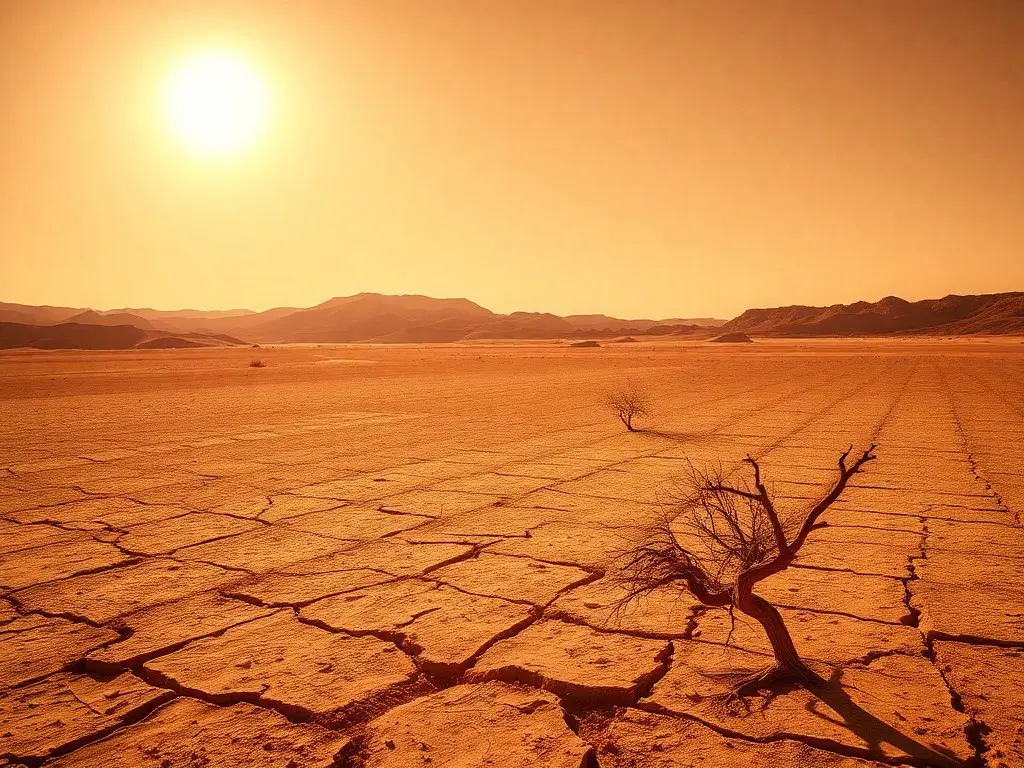
India is experiencing extreme heatwaves with temperatures exceeding 48C in some regions, including a record 48.2C in Banda, Uttar Pradesh, and nighttime temperatures reaching 32.4C in Delhi. The India Meteorological Department has issued heatwave warnings across multiple states, attributing the conditions to hot northwesterly winds from Rajasthan and Pakistan, while experts warn rising nighttime temperatures are worsening health impacts like heatstroke." "article": "India is battling severe heatwaves, with temperatures soaring above 45C across much of the country in recent weeks. Banda in Uttar Pradesh recorded a high of 48.2C last Tuesday, while Delhi experienced its warmest May night in nearly 14 years, with temperatures staying at 32.4C. At least 16 deaths from heatstroke have been reported in Telangana alone, as nighttime heat prevents the body from cooling. The India Meteorological Department (IMD) has issued active heatwave warnings for Delhi, Rajasthan, Punjab, Haryana, Uttar Pradesh, Madhya Pradesh, Vidarbha, Chhattisgarh, Bihar, and Telangana, with a yellow alert in Delhi until May 27. Meteorologists attribute the extreme heat to hot northwesterly winds from desert regions in Rajasthan and Pakistan, which have dominated weather patterns for days. Experts warn that rising nighttime temperatures are particularly dangerous, as they prevent the body from recovering. Dr Sumit Ray, medical director at Holy Family Hospital in Delhi, explained that high nighttime temperatures force the body to maintain elevated metabolism, increasing health risks. Authorities in Telangana have urged vulnerable groups—elderly, children, and pregnant women—to stay indoors during peak heat. Data from the IMD shows India’s heatwave frequency has increased by 0.1 days per decade since 1961, with nighttime temperatures rising at 0.21C per decade. Nearly 70% of Indian districts now experience five additional warm nights per summer, worsening sleep disruption and health risks. A 2024 study linked these trends to climate change, noting a rise in nights exceeding 25C, further straining public health systems. Relief may arrive by late week with forecasted thunderstorms, but officials stress the need for continued vigilance. The heatwave underscores growing concerns over India’s vulnerability to extreme weather, as rising temperatures intensify health and infrastructure challenges.
India is battling severe heatwaves, with temperatures soaring above 45C across much of the country in recent weeks. Banda in Uttar Pradesh recorded a high of 48.2C last Tuesday, while Delhi experienced its warmest May night in nearly 14 years, with temperatures staying at 32.4C. At least 16 deaths from heatstroke have been reported in Telangana alone, as nighttime heat prevents the body from cooling. The India Meteorological Department (IMD) has issued active heatwave warnings for Delhi, Rajasthan, Punjab, Haryana, Uttar Pradesh, Madhya Pradesh, Vidarbha, Chhattisgarh, Bihar, and Telangana, with a yellow alert in Delhi until May 27. Meteorologists attribute the extreme heat to hot northwesterly winds from desert regions in Rajasthan and Pakistan, which have dominated weather patterns for days. Experts warn that rising nighttime temperatures are particularly dangerous, as they prevent the body from recovering. Dr Sumit Ray, medical director at Holy Family Hospital in Delhi, explained that high nighttime temperatures force the body to maintain elevated metabolism, increasing health risks. Authorities in Telangana have urged vulnerable groups—elderly, children, and pregnant women—to stay indoors during peak heat. Data from the IMD shows India’s heatwave frequency has increased by 0.1 days per decade since 1961, with nighttime temperatures rising at 0.21C per decade. Nearly 70% of Indian districts now experience five additional warm nights per summer, worsening sleep disruption and health risks. A 2024 study linked these trends to climate change, noting a rise in nights exceeding 25C, further straining public health systems. Relief may arrive by late week with forecasted thunderstorms, but officials stress the need for continued vigilance. The heatwave underscores growing concerns over India’s vulnerability to extreme weather, as rising temperatures intensify health and infrastructure challenges.
This content was automatically generated and/or translated by AI. It may contain inaccuracies. Please refer to the original sources for verification.