Why is India pushing for coal gasification?
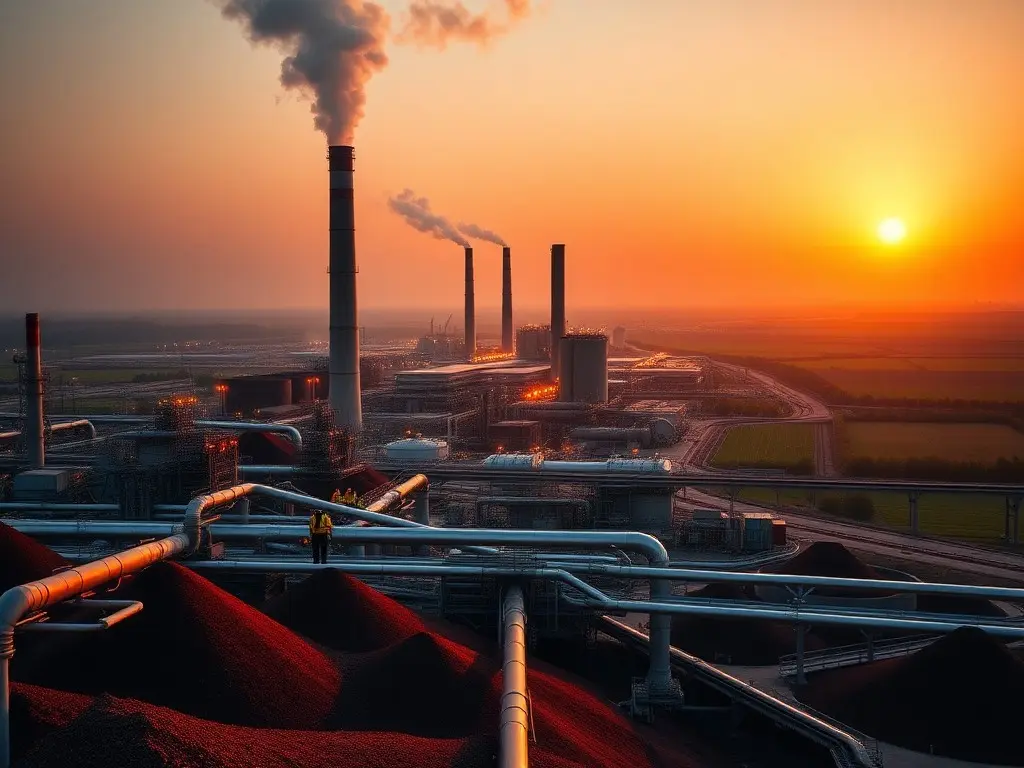
India’s government approved a ₹37,500-crore incentive package to boost coal gasification, aiming to reduce imports worth ₹3 lakh crore by producing downstream products like urea, methanol, and hydrogen. The Ministry of Coal targets gasifying 100 million tonnes of coal by 2030, with eight projects already receiving ₹6,233 crore in funding, though technical challenges like high ash content in Indian coal remain hurdles.
India’s Union Cabinet approved a ₹37,500-crore incentive package to accelerate coal gasification, a process converting coal into syngas for downstream products like urea, methanol, and hydrogen. Union Coal and Mines Minister G. Kishan Reddy highlighted its potential to substitute imports worth up to ₹3 lakh crore, reducing dependency on foreign supplies for urea, ammonia, and methanol. The government targets gasifying 100 million tonnes of coal by 2030, with the new scheme supporting 75 million tonnes. India currently imports one-fifth of its urea, nearly all ammonia, and 80-90% of methanol. Existing projects, including those by Coal India and private firms like Jindal Steel and Greta Energy, received ₹6,233 crore from an earlier ₹8,500-crore package, with most set to commission between FY2027-28 and FY2029-30. Technical challenges persist due to India’s coal having high ash content and variable calorific value, complicating gasification. Fluidised-bed technology is favored for its ability to handle these conditions. The Chintan Research Foundation notes capital costs account for 30% of syngas production expenses, emphasizing the need for financial viability. India’s coal reserves—401 billion tonnes of coal and 47 billion tonnes of lignite—provide a domestic resource base. However, large-scale deployment depends on overcoming technical hurdles and ensuring project feasibility. The Ministry expects more projects to be sanctioned soon, aligning with the 2030 target.
This content was automatically generated and/or translated by AI. It may contain inaccuracies. Please refer to the original sources for verification.