Why is the Rafah crossing that Israel has seized crucial to Gaza?
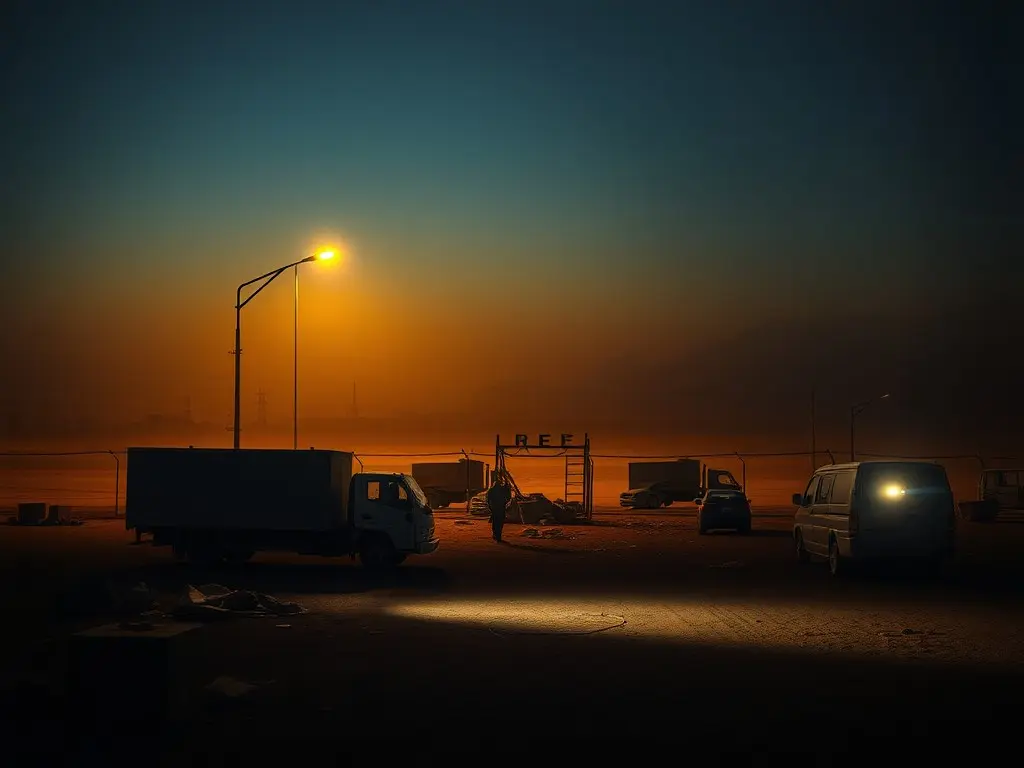
Israel seized control of the Rafah crossing in Gaza, halting aid deliveries and evacuations, while Kerem Shalom was closed after a Hamas rocket attack, leaving Gaza’s humanitarian supply lines critically choked. The UN warns of worsening famine in northern Gaza and a severe impact on medical supplies if the crossings remain shut, as Rafah was the only non-Israeli-controlled route for aid and injured Palestinians.
Israel’s military announced it had taken control of the Palestinian side of the Rafah crossing, the sole remaining aid route into Gaza not directly managed by Israel. The crossing, which borders Egypt, has been vital for delivering humanitarian supplies and allowing the evacuation of injured Palestinians, but the Israeli move halted aid flow, according to humanitarian sources. The Palestinian-run Gaza Crossings Authority called the closure a 'death sentence' for Gaza’s population, particularly those reliant on medical evacuations. The Rafah crossing became critical after Israel imposed a total blockade on Gaza following October 7, shutting most other entry points. Israel controls all sea, air, and land access except Rafah, which was previously overseen by Egypt but monitored by Israel from its Kerem Shalom military base. Qatar negotiated an agreement with Egypt, Israel, Hamas, and the U.S. to allow limited evacuations through Rafah, with the first injured patients and foreign passport holders leaving in early November. Kerem Shalom, another key crossing, was closed on May 5 after a Hamas rocket attack killed four Israeli soldiers, further disrupting aid deliveries. The UN’s humanitarian office warned that both crossings being closed would 'choke off' Gaza’s supply lines, leaving stocks dangerously low. The UN Agency for Palestinian Refugees (UNRWA) noted that northern Gaza is already facing catastrophic hunger, with famine conditions worsening if aid cannot reach the region. Israel has gradually reopened other crossings, including Erez in the north on May 1, aiming to process 500 aid trucks daily. However, Kerem Shalom remains closed until security concerns are resolved, while limited aid has also arrived via sea and airdrops, including a U.S.-built maritime pier off Gaza’s coast. The World Health Organization has previously expressed alarm over the potential impact on medicine supplies if Rafah remains closed, risking further collapse of Gaza’s overwhelmed healthcare system.
This content was automatically generated and/or translated by AI. It may contain inaccuracies. Please refer to the original sources for verification.