Why Japanese Anime Fans Are Furious With Donald Trump's Latest AI Posts
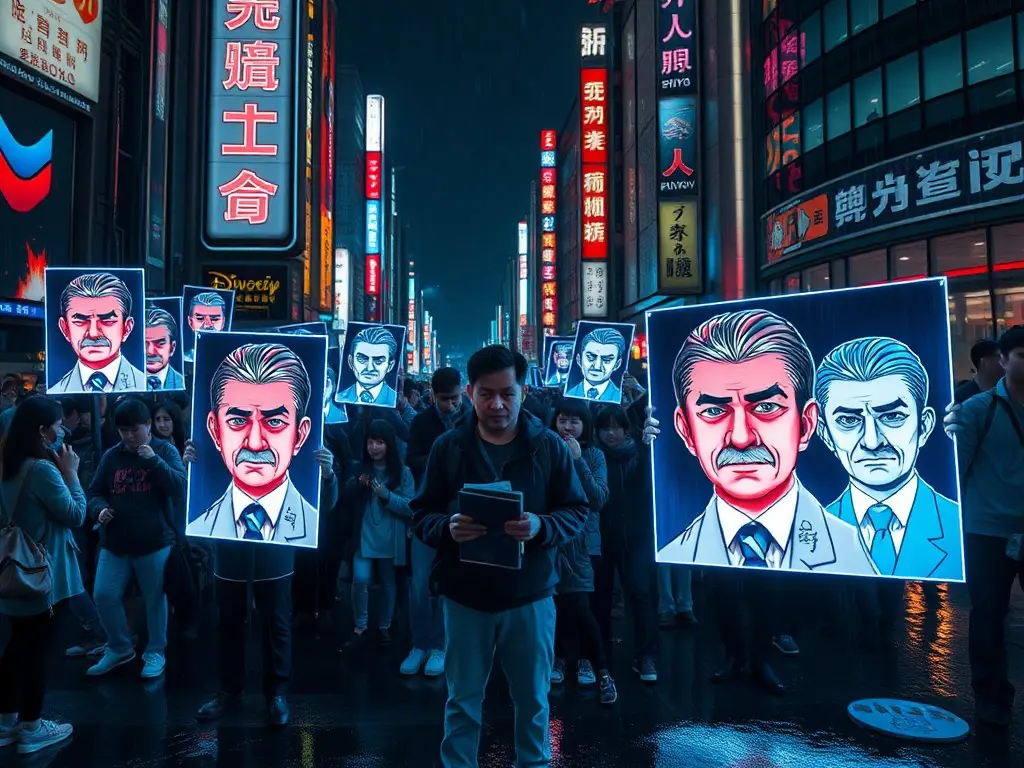
Japanese anime fans and creators are protesting after Donald Trump shared AI-generated content depicting him as characters from popular manga and anime series, including Naruto and Yu-Gi-Oh!, raising concerns over unauthorized use of copyrighted intellectual property. Over 23,000 people have signed a petition demanding stronger protections, while licensing companies and fans argue the depictions distort the original creators' intentions and violate cultural respect.
Donald Trump has faced backlash in Japan after posting AI-generated images and videos featuring him as characters from globally beloved anime and manga series. The controversy centers on depictions like Trump as Naruto Uzumaki from *Naruto* and imagery linked to *Yu-Gi-Oh!*, shared on social media without permission. Over 23,000 people have signed an online petition calling for stricter action against unauthorized AI use of Japanese intellectual property, arguing that such depictions disrespect creators and alter the intended meaning of these cultural icons. The petition highlights concerns that AI-generated content exploits the popularity of Japanese anime without regard for copyright laws or creator consent. The company licensing *Yu-Gi-Oh!* has explicitly denied granting permission, stating neither creators nor the anime team were involved. Fans and critics argue that these characters embody values like friendship and perseverance, and their political or military use distorts their original purpose. Japanese social media has erupted with calls for official intervention, reflecting widespread frustration over AI’s ability to recreate copyrighted characters without authorization. The debate has reignited discussions about protecting creative works in the AI era, as advancements in technology make unauthorized replication easier. Observers note that while anime’s global popularity is celebrated, it should not come at the expense of creators’ rights or cultural integrity. The controversy underscores broader tensions between innovation and intellectual property, particularly as AI tools become more sophisticated. Rights holders are increasingly seeking legal safeguards to prevent unauthorized use of their work, while creators demand recognition for their contributions. The incident has also sparked conversations about how political figures can responsibly engage with cultural content, especially when it involves protected intellectual property.
This content was automatically generated and/or translated by AI. It may contain inaccuracies. Please refer to the original sources for verification.