Why Karnali’s children are dropping out
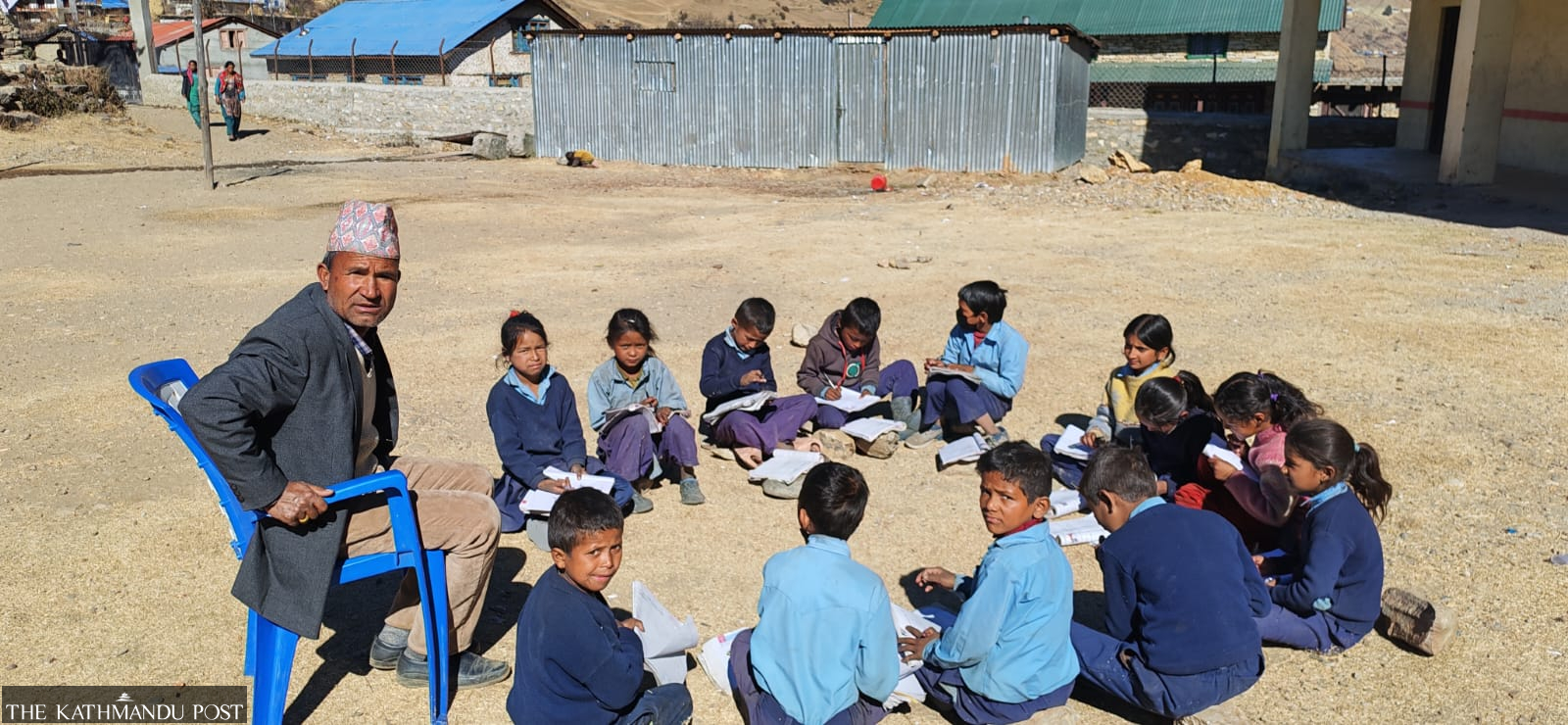
Thousands of children in Karnali Province, Nepal, are dropping out of school due to poverty, migration, child labor, and teacher shortages, with 7.1% of children out of school despite government incentives like midday meals and scholarships. Schools report high dropout rates, particularly in districts like Jumla and Dolpa, where over 13% of children remain out of the education system.
Fifteen-year-old Nabin Sarki of Gairigaun, Kalikot, attended Grade 8 classes for five months before dropping out in August 2025 due to worsening family finances. After working in India for six months, he returned home but has not resumed school, citing financial struggles and the need to support his siblings after his father’s death. His case reflects a broader trend: Badrukh Basic School recorded 26 dropouts last year, with poverty cited as the primary reason. In Tadi, ward 4 of Khandachakra Municipality, nine-year-old Nishan BK left Grade 3 in August after his parents sent him to a monastery in Kathmandu, claiming schools in the region impose hidden fees of Rs5,000 to Rs10,000 annually. Navajyoti Basic School reported 17 students sent to monasteries and seven families migrating to India for work, with many returning only before exams. Teachers note that students from Dalit communities face additional challenges, often failing exams and quitting school entirely. Government programs, including midday meals, scholarships, free textbooks, and sanitary pads for girls, have failed to significantly improve retention rates. Rights activist Dan Bahadur BK highlighted that only 30% of enrolled students complete basic education, and less than 20% pass secondary-level exams in Kalikot. The 2021 census revealed 48,071 children—7.1% of Karnali’s child population—are out of school, with Jumla and Dolpa districts reporting the highest rates at 13.6%. The Ministry of Social Development attributed the crisis to poverty, parental neglect, early parental deaths, long school distances, and migration to India. Senior education officer Balbir Sunar emphasized systemic failures, including insufficient support for vulnerable families and inadequate infrastructure. Despite efforts, the dropout crisis persists, leaving thousands of children without education opportunities.
This content was automatically generated and/or translated by AI. It may contain inaccuracies. Please refer to the original sources for verification.