Why NASA wants to build a nuclear reactor on the moon
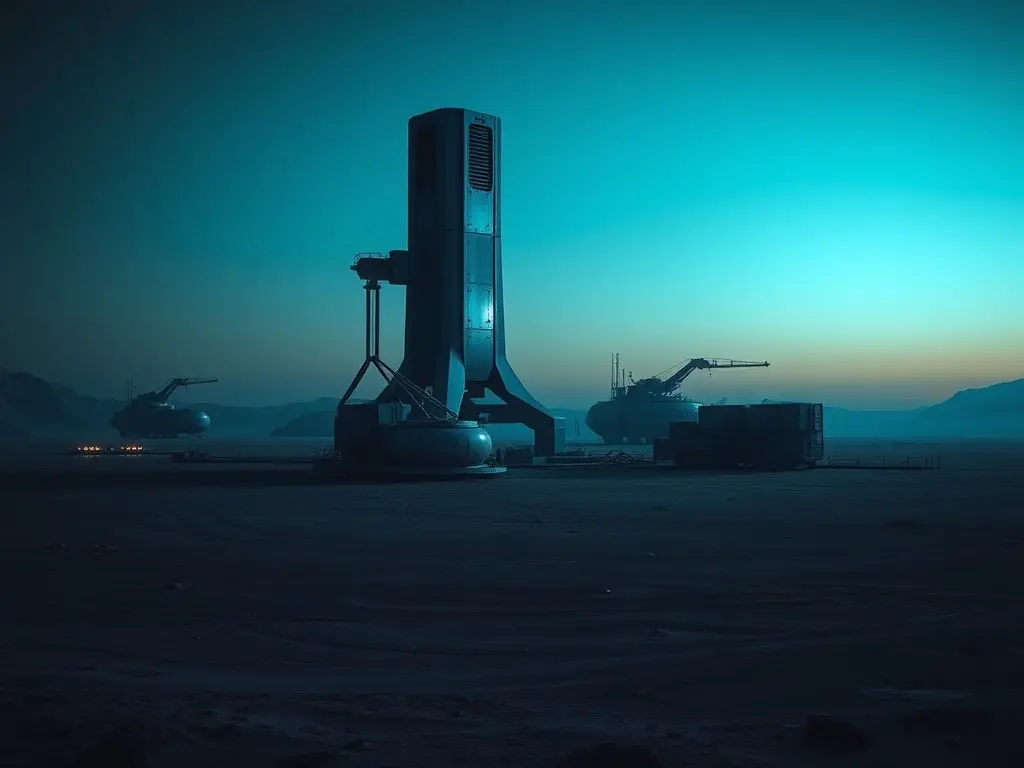
NASA plans to deploy a nuclear reactor on the moon by 2030 as part of its Artemis program to sustain a permanent lunar base, despite challenges like extreme lunar conditions and safety concerns. Experts warn that rushing the project could lead to skipped safety measures, while China and Russia are also developing their own lunar nuclear reactors for a rival base by 2035.
NASA announced plans to build and deliver a nuclear reactor to the moon by 2030, aiming to support a permanent lunar base under its Artemis program. The reactor, designed to power infrastructure during the moon’s long, frigid nights, is seen as essential for long-term lunar operations, including scientific research and potential mining. U.S. Secretary of Transportation Sean Duffy, acting NASA administrator, framed the project as a key step for U.S. national security in space, though critics question its feasibility and safety given the aggressive timeline. The lunar environment poses unique challenges, including extreme temperature swings, asteroid impacts, and prolonged seismic activity, making reactor design complex. NASA’s goal is to establish a base capable of sustaining human presence, serving as a launchpad for future Mars missions. However, experts like Simon Middleburgh, co-director of the Nuclear Futures Institute at Bangor University, emphasize that nuclear power is the only viable option for long-term lunar sustainability. China and Russia are also advancing their own nuclear reactor plans for a rival lunar base, the International Lunar Research Station, targeting deployment by 2035. Safety concerns loom large, as past space reactor incidents—such as a 1978 atmospheric disintegration—highlight risks. Bhavya Lal, a space policy professor at the RAND School of Public Policy, warns that rushing the project could lead to overlooked safety steps, potentially endangering astronauts or contaminating lunar resources. The U.S. faces pressure to balance speed with caution, as mistakes could have catastrophic consequences, including stranded crews or environmental harm. If successful, NASA’s nuclear-powered moon base could serve as a critical stepping stone for deeper space exploration. However, the project’s success hinges on overcoming technical, logistical, and political hurdles before the 2030 deadline. With global competitors accelerating their own lunar ambitions, the race to establish a functional nuclear reactor on the moon is intensifying.
This content was automatically generated and/or translated by AI. It may contain inaccuracies. Please refer to the original sources for verification.