Why oil has not hit $200 despite a big supply shock — and what it means for India
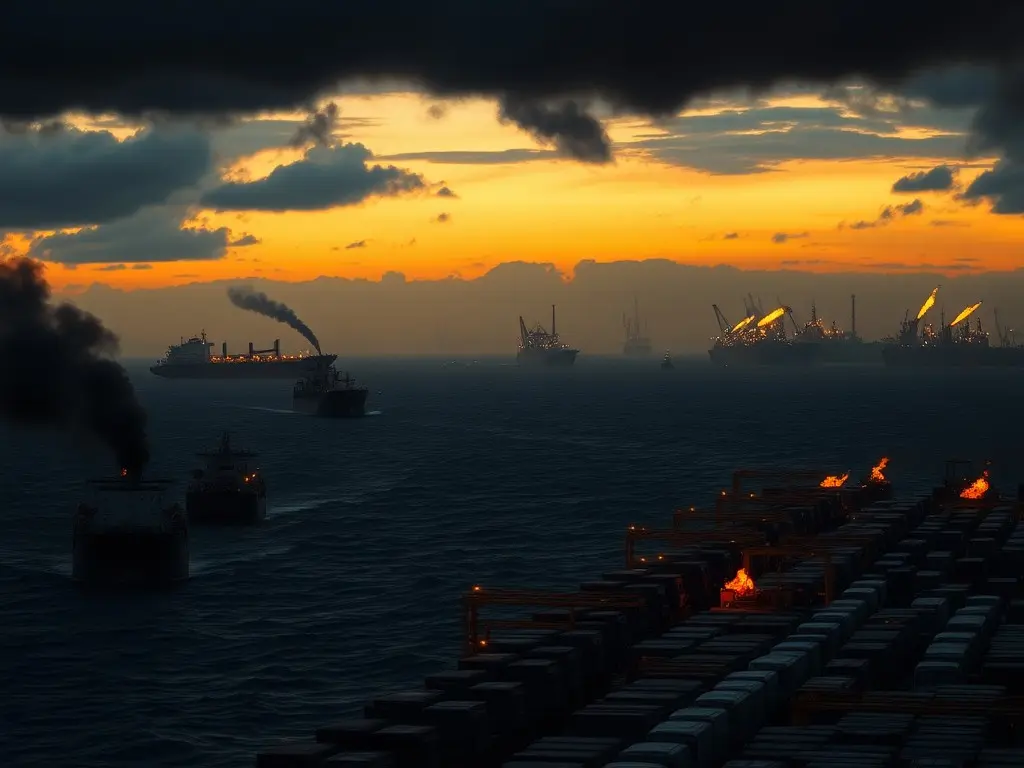
Despite the effective closure of the Strait of Hormuz and a 10 million barrel-per-day supply drop in the Middle East, crude oil prices have not surged past $200 due to record U.S. exports, reduced Chinese demand, reserve releases, and alternative shipping routes. India’s reliance on imported crude makes it vulnerable to prolonged disruptions in West Asian energy flows, while Russian oil purchases have provided a temporary cushion amid U.S. sanctions waivers.
Oil markets have avoided a severe price shock despite the Strait of Hormuz’s near-closure and a 10 million barrel-per-day supply loss in the Middle East, factors that should have pushed prices above $200. Instead, crude has remained stable due to record U.S. oil exports—2 million barrels per day higher than last year’s average—offsetting some of the lost supply. China, the world’s largest crude importer, cut imports by nearly 40% in May compared to last year, further easing pressure on global prices. Global efforts to stabilize oil supplies include coordinated reserve releases, with the U.S. pledging 172 million barrels from its Strategic Petroleum Reserve. In one week last month, U.S. stockpiles dropped by 1.4 million barrels daily, with nearly half sent to Europe and other markets. Gulf producers like Saudi Arabia and the UAE have also rerouted exports through alternative routes, such as Saudi Arabia’s East-West pipeline and Fujairah in the UAE. India’s exposure to oil price volatility remains high, as the country imports a significant portion of its crude. The current market calm may be temporary, with risks of renewed price spikes if buffers weaken before normal flows resume. The Strait of Hormuz remains critical, handling 20 million barrels daily—about one-fifth of global oil consumption—and over a quarter of global seaborne trade, with Asian nations like India, China, and Japan heavily dependent on it. Meanwhile, India has benefited from increased Russian oil imports, averaging 1.76 million barrels per day in May—a 63% rise from February—thanks to U.S. sanctions waivers. This has provided a temporary buffer against disruptions in West Asian supplies, though long-term reliance on alternative sources remains a strategic consideration.
This content was automatically generated and/or translated by AI. It may contain inaccuracies. Please refer to the original sources for verification.