Why parents from Bihar’s poorest district send children to madrasas hundreds of miles away
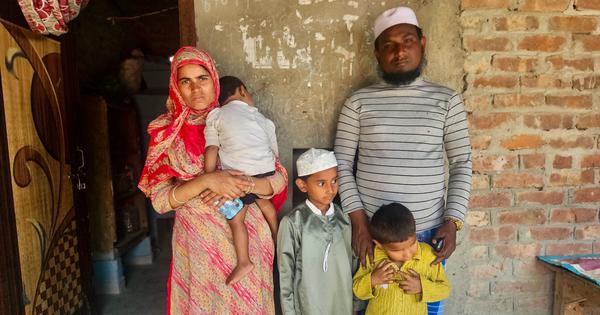
A teacher named Saddam transported 100 children from Bihar’s Araria district to a madrasa in Maharashtra for free education, but authorities falsely accused him of child trafficking and detained the children for 13 days. Investigations later confirmed the children were traveling with parental consent to study at religious schools, leading to the closure of the case.
In April, Saddam, a teacher from Bihar’s Araria district, took 100 children from Bagdahara village to a madrasa in Maharashtra’s Latur district for free education, a practice he experienced as a child himself. He traveled with the children, including his six-year-old son Afaan, by train from Patna, but Railway Police and child welfare officials in Uttar Pradesh and Madhya Pradesh intercepted them twice, detaining the group under suspicion of child trafficking. At Katni station in Madhya Pradesh, officials filed a false trafficking complaint against Saddam and seven others, detaining Afaan in a shelter home and separating his family. After 13 days of investigation, authorities confirmed the children were traveling with parental consent to study at madrasas in Maharashtra and Karnataka, leading to the quashing of the case. Manish Tiwari, chairperson of Jabalpur’s Child Welfare Committee, acknowledged that large groups of children traveling without parents raised suspicion, but investigations revealed no evidence of trafficking. In April alone, authorities intercepted 375 Muslim children across Odisha, Madhya Pradesh, and Karnataka, most from Araria. Parents in Araria send children to distant madrasas due to poverty and limited local educational opportunities. Many children as young as 10 travel hundreds of miles, as local schools and madrasas fail to meet their needs. The false accusations highlight systemic distrust of Muslim families sending children to religious schools, despite legal protections for education. By April 23, Saddam, his family, and the 100 children returned to Araria after the case was closed. The incident underscores broader challenges in balancing child welfare laws with the realities of marginalized communities seeking education.
This content was automatically generated and/or translated by AI. It may contain inaccuracies. Please refer to the original sources for verification.