Why Punjab survey on drug addiction has led to fears of undercount
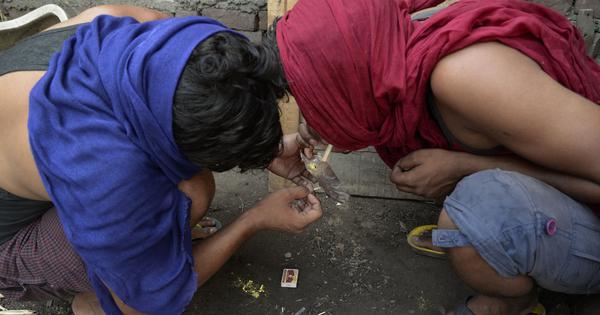
Punjab’s first Drug and Socio-Economic Survey, conducted by 28,000 government employees, faces criticism for underreporting addiction due to reluctance from households to admit drug use. Experts warn the survey may produce skewed results, with only 2-3 families out of 120 surveyed by teacher Jaskirat Singh acknowledging drug dependency, raising concerns about its accuracy and purpose.
Punjab’s government has deployed 28,000 employees, including teacher Jaskirat Singh from Amritsar, to conduct its first Drug and Socio-Economic Survey across 65 lakh households. Singh, who surveys eight households daily, reported that only two or three families admitted to drug use in 120 surveyed, highlighting widespread reluctance to disclose addiction. The survey, announced by Chief Minister Bhagwant Mann in April, aims to quantify drug addiction and inform targeted policies. However, residents avoid questions about drug availability or family members’ addiction, fearing further inquiries or social stigma. Singh noted that affirmative responses trigger follow-up questions, prompting respondents to evade answers entirely. Experts like Mohan Sharma, an anti-drug activist, predict the survey will undercount addiction, potentially showing 80% of Punjab as drug-free to benefit the ruling Aam Aadmi Party. A pilot study in 11 villages reportedly found residents more cooperative, but enumerators now face resistance, with families hiding overdoses as cardiac arrests to avoid marriage complications for unmarried daughters. Sharma’s decades of awareness campaigns reveal persistent denial, despite offers of free treatment. The survey’s reliance on a mobile app may exacerbate underreporting, as residents fear judgment or legal repercussions. Opposition parties suspect the exercise is a pre-poll tactic to gauge voter sentiment rather than address public health concerns. Critics argue the survey’s design fails to build trust, leaving addiction rates obscured. With only 15 days completed, the results risk misrepresenting Punjab’s drug crisis, undermining efforts to implement effective policies.
This content was automatically generated and/or translated by AI. It may contain inaccuracies. Please refer to the original sources for verification.