Why Rivian Believes The R2 Can Finally Challenge Tesla
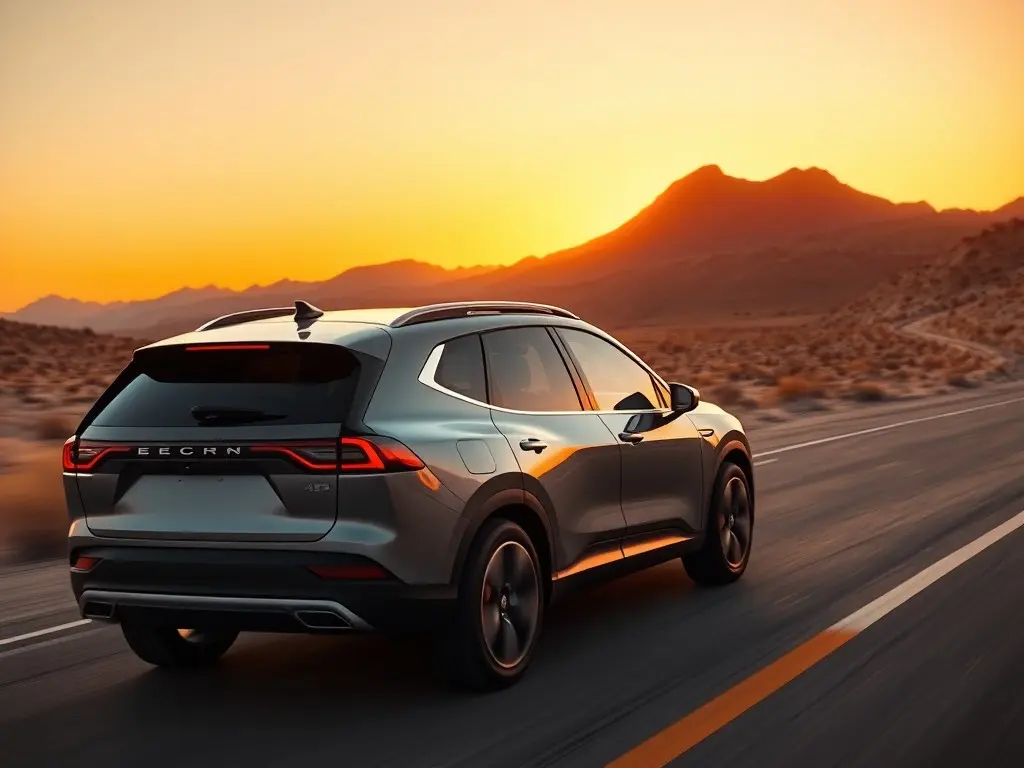
Rivian CEO RJ Scaringe highlighted the R2 as the company’s bid to move from a niche EV brand to mainstream appeal, targeting buyers with a starting price of $45,000 and positioning it as a vehicle that avoids trade-offs in capability, efficiency, and utility. The R2 aims to fill a gap in the EV market by offering a compelling alternative to established models like Tesla’s Model 3 and Model Y, while retaining Rivian’s signature features at a more accessible price point.
Rivian’s R2 SUV marks the automaker’s push to transition from a niche electric vehicle brand to a mainstream player. With a starting price of $45,000, the R2 targets buyers who previously viewed Rivian as out of reach due to its higher-priced R1T pickup and R1S SUV. CEO RJ Scaringe emphasized during a roundtable in Park City, Utah, that the R2 isn’t just a scaled-down version of Rivian’s existing models but a vehicle designed to fulfill the company’s broader brand promise of accessibility and utility. The R2 aligns with average new vehicle transaction prices in the U.S., making it a competitive option in the core market rather than a fringe product. Scaringe noted that Rivian had to balance cost-cutting with preserving the brand’s identity, ensuring the vehicle retained its signature features while becoming more attainable. The goal was to eliminate compromises—such as sacrificing cargo space for efficiency or off-road capability for comfort—that often define other EVs. Scaringe argued that EV demand remains strong but is constrained by limited compelling alternatives. Tesla’s Model 3 and Model Y continue to dominate because they offer a rare combination of technology, performance, and value, but Rivian believes the R2 can disrupt this dynamic. By combining efficiency, utility, and capability at a lower price point, the R2 aims to attract new EV buyers who might otherwise settle for less capable or less efficient options. The R2 was developed with a focus on challenging traditional trade-offs in vehicle design. Rivian questioned assumptions that vehicles must compromise between on-road and off-road performance or between cargo space and efficiency. Scaringe framed the R2 as a vehicle that delivers on all fronts, positioning it as a serious competitor in the EV market without forcing buyers to make concessions. For Rivian, the R2 represents more than just another model—it’s a strategic move to expand the brand’s reach and bring new customers into the EV fold. The company is betting that the R2’s blend of affordability, capability, and design will resonate with a broader audience, solidifying Rivian’s place as a major player in the electric vehicle industry.
This content was automatically generated and/or translated by AI. It may contain inaccuracies. Please refer to the original sources for verification.