Why some high-performing students may struggle at university
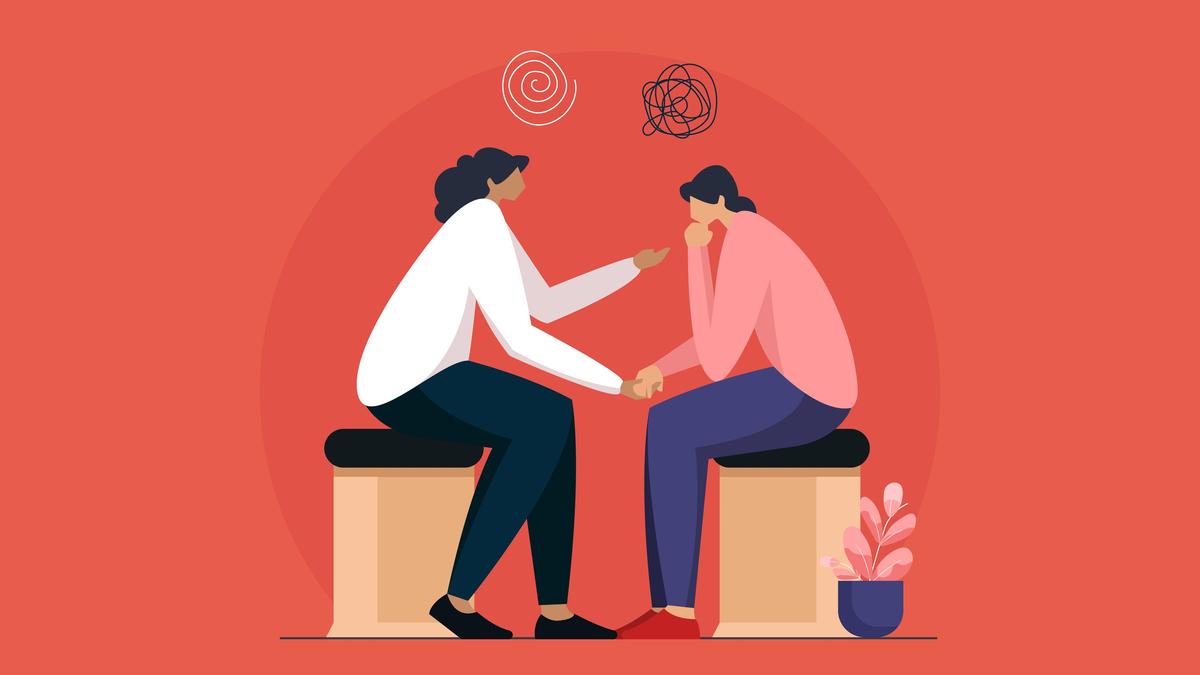
Anand, a high-performing student with Ivy League admission, struggled and returned home within a year due to lack of structure and self-regulation skills at university. Many top students face similar challenges as universities demand independence, discipline, and identity navigation beyond academic success.
A high-performing student named Anand, who secured admission to an Ivy League university, returned home within a year due to overwhelming struggles despite top grades and a prestigious school background. His academic difficulties stemmed from unmanaged attentional lapses and procrastination, exacerbated by unstructured university life, social pressures, and missed deadlines. University success requires more than academic achievement; it demands independence, self-regulation, and adaptability. Unlike school, universities offer minimal accountability, leaving students to manage their own schedules, deadlines, and social commitments. Many students lack developed executive function—planning, prioritizing, and completing tasks independently—which becomes critical in higher education. Developmentally, students aged 13–18 focus on identity formation, while university introduces new peer groups and social dynamics. Success now depends on initiative, goal clarity, peer alignment, interpersonal skills, and resilience. Weaknesses in these areas, often masked by structured school environments, can lead to academic decline when students lack support systems. Parents and counselors should watch for red flags, such as excessive parental involvement in college preparations, poor time management, or lack of motivation. Early discussions can help students build responsibility, set boundaries, and navigate peer influences. Counselors should address gaps in executive function by gradually reducing parental reminders while encouraging self-accountability. For students struggling, targeted counseling and skill-building can bridge gaps. Universities should also prepare students for the shift from structured to independent learning, ensuring they develop resilience and adaptability before enrollment.
This content was automatically generated and/or translated by AI. It may contain inaccuracies. Please refer to the original sources for verification.