Why storms that used to happen every 50 years are hitting more often
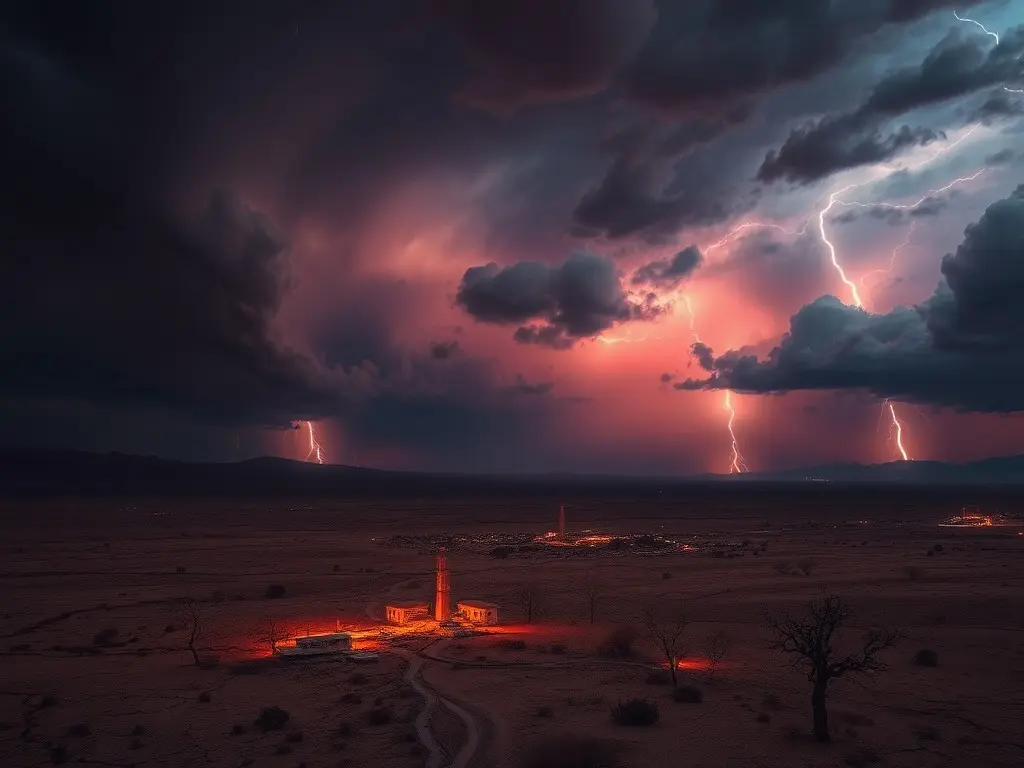
South Africa has faced multiple weather-related national disasters in 2026, including floods and severe heat, with experts linking the increased frequency of such storms to global warming caused by greenhouse gas emissions. Research shows that downpours like those in January, which occurred every 50 years historically, are now 40% more intense due to a 1.3°C rise in global temperatures, while President Cyril Ramaphosa highlighted the unpredictability and vulnerability of communities to these events.
South Africa declared three weather-related national disasters in early 2026, issuing warnings for severe heat and flooding between January and May. The government confirmed at least 10 deaths, thousands displaced, and widespread damage to infrastructure after storms in the Western, Eastern, and Northern Cape in early May. Researchers attribute the rising frequency of extreme weather to global warming, caused by burning fossil fuels like coal and oil, which intensifies downpours and storms. Scientists analyzed data comparing current extreme weather events to historical baselines, finding that floods in Limpopo, Mpumalanga, and Mozambique in January—previously expected every 50 years—are now 40% more intense due to a 1.3°C increase in global temperatures. This shift underscores how climate change alters long-term weather patterns, making such events more predictable in frequency but less so in exact impact. President Cyril Ramaphosa acknowledged the unpredictability of these disasters, stating that while forecasts are possible, their intensity remains hard to predict. He emphasized the need for better preparedness to mitigate damage to roads, buildings, and utility systems. Experts warn that without intervention, extreme weather events will continue to strain communities and infrastructure. South Africa’s diverse climate regions—ranging from arid to subtropical—make it particularly vulnerable to shifting weather patterns. Historical data helps scientists project future risks, allowing policymakers to plan for resilience. The country’s recent disasters serve as a case study for how climate change amplifies natural hazards, demanding urgent adaptation strategies.
This content was automatically generated and/or translated by AI. It may contain inaccuracies. Please refer to the original sources for verification.