Why The Same Heat Baking India Helps Bring Monsoon Rains | Explained
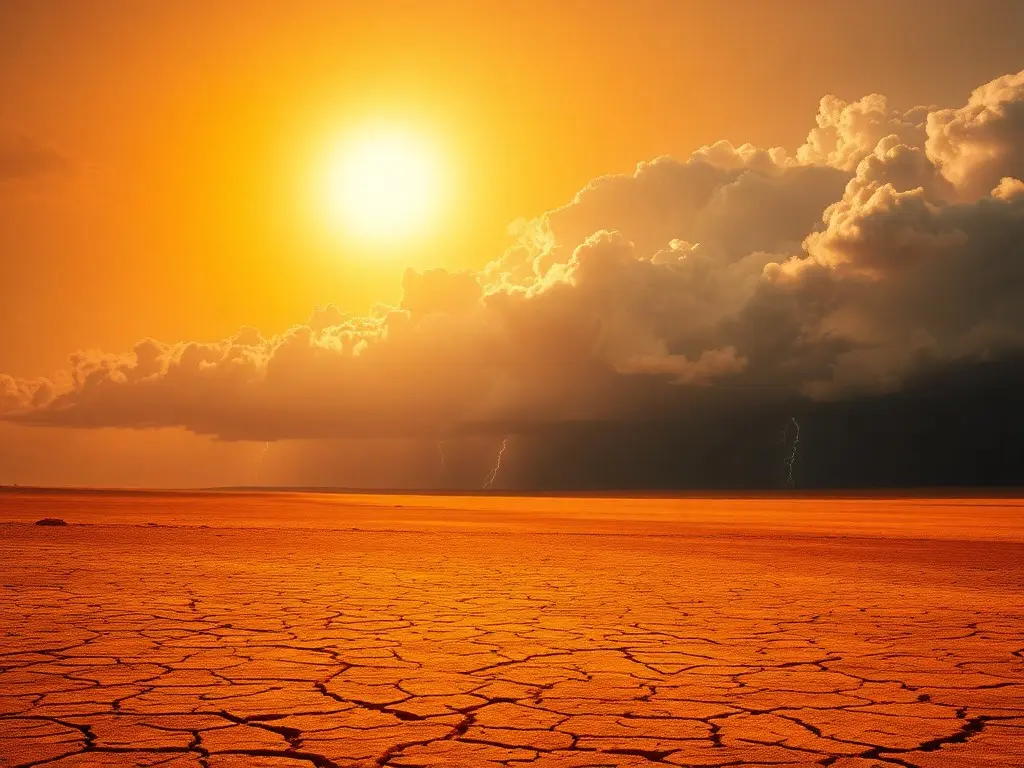
India’s extreme heatwave in May and early June, with temperatures exceeding 48°C in Banda and 45°C in Delhi, plays a critical role in drawing moisture-laden monsoon winds from the Arabian Sea and Indian Ocean toward the subcontinent. The scorching landmass creates a low-pressure zone that pulls in humid winds, which rise, cool, and condense into monsoon rains, though excessive heat may disrupt natural patterns over time.
India’s current heatwave, with temperatures soaring to 48°C in Banda, Uttar Pradesh, and 45°C in Delhi, is a key driver behind the annual monsoon rains. The intense pre-monsoon heating rapidly warms the land, creating a vast low-pressure zone over northwest India and parts of Pakistan. This pressure contrast with the cooler, higher-pressure ocean waters—such as the Arabian Sea and Indian Ocean—pulls moisture-rich winds toward the subcontinent. The process begins in May and early June, when the sun heats the dry landmass, causing air to rise and form a heat low. This low-pressure system acts as a magnet, drawing in humid winds that travel thousands of kilometers from the ocean. As these winds move inland, the hot land surface forces the moist air upward, where it cools and condenses into clouds, triggering monsoon showers and thunderstorms. Meteorologists emphasize that the heatwave’s intensity is essential for strengthening the monsoon system. Without this seasonal heating, the pressure gradient weakens, making it harder for monsoon winds to advance effectively. However, scientists warn that excessive heat—linked to climate change—may disrupt natural patterns, potentially altering rainfall distribution. The India Meteorological Department (IMD) has issued heatwave alerts across northern and central regions, highlighting the dual nature of the phenomenon: while it brings life-sustaining rains, it also poses severe health risks and water shortages. The monsoon’s arrival typically follows this heating phase, with winds carrying moisture that transforms into widespread rainfall by late June or early July. This natural cycle underscores the delicate balance between extreme heat and monsoon formation, a relationship increasingly influenced by global climate shifts.
This content was automatically generated and/or translated by AI. It may contain inaccuracies. Please refer to the original sources for verification.