Why the sustained heatwave in India, Pakistan is so dangerous
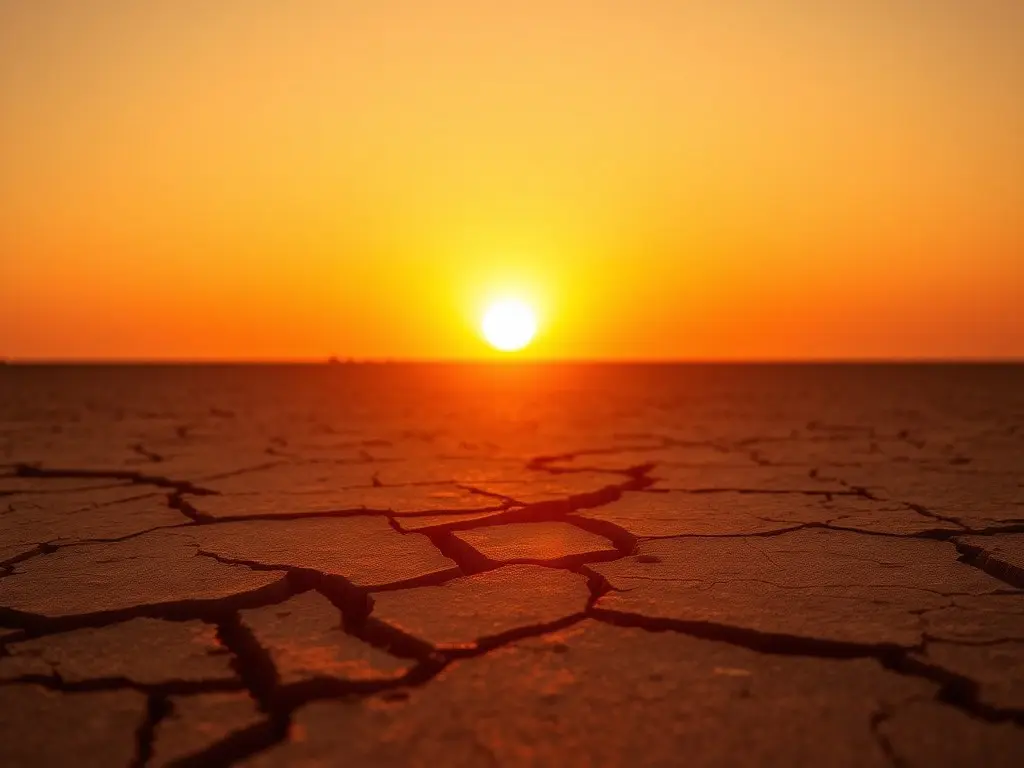
India and Pakistan are experiencing an extreme heatwave since mid-April, with temperatures exceeding 46°C in some areas and 5–8°C above seasonal norms, driving record electricity demand and worsening droughts. The heatwave, linked to high-pressure systems and climate change, has killed at least 47 people, with humidity intensifying health risks and raising concerns about lethal wet-bulb temperatures.
India and Pakistan are enduring an unusually severe heatwave that began in mid-April, with daily temperatures surpassing 46°C in many regions and exceeding seasonal averages by 5–8°C. The prolonged heat has strained electricity grids in India as air conditioning use surges, while drought conditions affect over a million square kilometers across both countries. At least 37 deaths in India and 10 in Pakistan have been attributed to the heatwave, though underreporting likely means the toll is higher. The extreme heat stems from persistent high-pressure systems that suppress cloud formation and prevent cooling rain. These systems trap hot air near the surface, allowing temperatures to rise over multiple days. Drier soils worsen the effect by retaining more heat, while urban areas—with concrete and asphalt—remain hotter overnight, increasing health risks for vulnerable populations. Humidity exacerbates the danger, making it harder for the body to cool through sweating. High moisture levels reduce evaporation efficiency, leading to heatstroke when body temperatures exceed 40°C. Scientists warn that combined heat and humidity, measured by wet-bulb temperature, now pose greater risks than previously understood, with survival thresholds potentially lower than the assumed 35°C limit. Climate change plays a critical role in intensifying these heatwaves. Research suggests the April 2026 heatwave was three times more likely and 1°C hotter due to global warming. At current warming levels (~1.4°C), such events may occur every five years, but projections for 2.6°C warming by 2100 indicate annual heatwaves 2.2°C hotter. Urban populations face heightened risks due to heat absorption by infrastructure, while rural areas suffer from drought and reduced agricultural productivity. Public health officials emphasize the need for cooling centers and awareness campaigns to mitigate fatalities during these extreme conditions.
This content was automatically generated and/or translated by AI. It may contain inaccuracies. Please refer to the original sources for verification.