Why the world is bracing itself for a rare ‘super’ El Nino
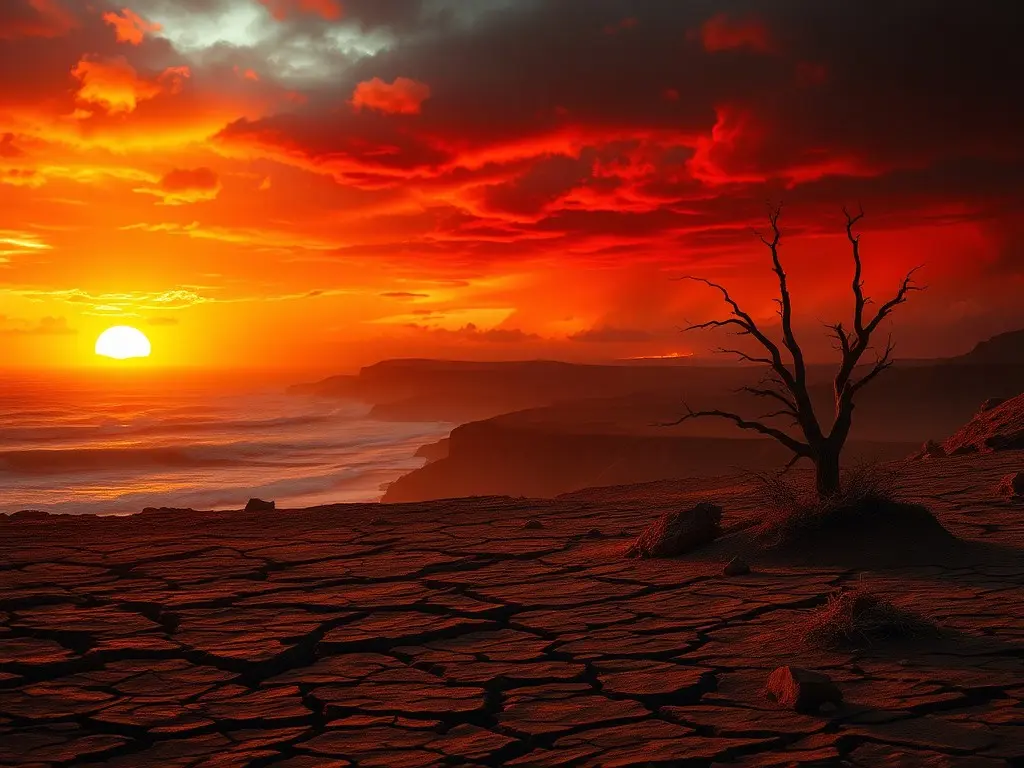
The Japan Meteorological Agency confirmed El Niño conditions in June 2024, with a 67% chance of a strong or ‘super’ El Niño by 2027, according to the US Climate Prediction Center. This phenomenon, originating in Pacific Ocean warming, could disrupt global weather patterns, exacerbate droughts and floods, and push temperatures to new highs by 2027.
El Niño conditions have officially emerged, announced by the Japan Meteorological Agency on June 10, 2024, following rapid Pacific Ocean warming. The US Climate Prediction Center now estimates a 67% likelihood of this event intensifying into a strong or ‘super’ El Niño by 2027—a term not formally recognized by scientists but used to describe very powerful occurrences. The last such event occurred in 2015-2016, and its impacts typically include extreme weather, global temperature spikes, and disruptions to agriculture and energy markets. El Niño forms when trade winds weaken or reverse, allowing warm Pacific water to shift toward the Americas, altering atmospheric patterns and storm tracks. This cyclical phenomenon, part of the broader El Niño-Southern Oscillation (ENSO), occurs irregularly every two to seven years, alternating with its cooler counterpart, La Niña. The Pacific’s vast size amplifies its global influence, though similar cycles in the Atlantic and Indian Oceans lack the same reach. A ‘super El Niño’ is defined by sea surface temperatures in the Nino 3.4 region exceeding long-term averages by at least 2°C, with strong events requiring a 1.5°C increase. The US National Oceanic and Atmospheric Administration (NOAA) tracks these thresholds, noting that very strong El Niños are rare since 1950. While they heighten risks of severe weather, their effects vary by region—some areas face flooding, while others endure prolonged droughts. The timing of this El Niño is particularly concerning for the global economy, already strained by energy shortages, fertilizer deficits, and inflation driven by the Middle East conflict. Scientists warn that 2027 could rank among the hottest years on record due to the heat released by the Pacific Ocean into the atmosphere. The phenomenon’s peak typically occurs between December and January, though its impacts may persist for months afterward.
This content was automatically generated and/or translated by AI. It may contain inaccuracies. Please refer to the original sources for verification.