Why Trump’s dispute with Spain is escalating, and what it could mean for NATO
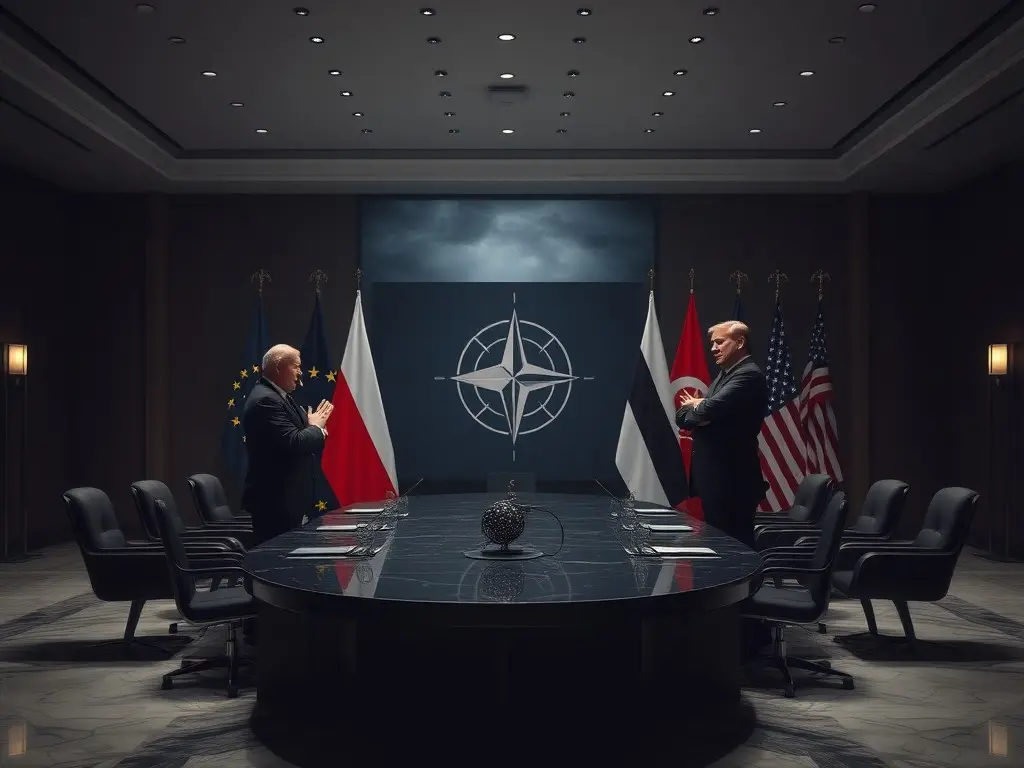
US President Donald Trump’s threats to withdraw American troops from Spain and economic retaliation have escalated tensions over NATO defense spending and Iran policy, with Spain resisting higher military expenditure targets and denying US military base access for potential Iran operations. Spain’s Prime Minister Pedro Sanchez argues for a focus on efficient, collaborative European defense rather than blindly following US-led spending increases, while analysts describe the dispute as political pressure rather than a credible threat to Spain’s NATO membership.
Donald Trump’s threats to withdraw US troops from Spain and impose economic consequences have deepened a transatlantic dispute over NATO defense spending and Iran policy. Spain hosts critical US military bases like Rota naval base and Moron air base, which support operations in the Mediterranean, North Africa, and Middle East, but denied their use for joint US-Israeli attacks on Iran. Trump publicly criticized Spain in March, calling it “terrible” and warning of reduced trade ties, though Madrid dismissed the threats as irrelevant to EU-level trade negotiations. Spain accelerated defense spending to meet NATO’s 2% GDP target in 2025, four years ahead of schedule, but resisted the alliance’s new push for a 5% GDP target by 2035. Prime Minister Pedro Sanchez argued that European security should prioritize “spending better” and “spending together” rather than blindly increasing budgets, warning the 5% goal would threaten Spain’s welfare model. NATO granted Spain flexibility to maintain spending closer to 2.1% of GDP while meeting capability requirements. Analysts say Spain’s opposition stems from domestic political realities and disagreements over NATO priorities, not anti-alliance sentiment. Eduard Soler Lecha, an associate professor at the Autonomous University of Barcelona, stated that Madrid’s stance reflects broader debates on European strategic autonomy and dependence on US security leadership. Waya Quiviger, a governance expert at IE University, described the tensions as domestic, transatlantic, and intra-European, highlighting a growing divide over whether European nations should automatically align with Washington’s security agenda. The dispute has fueled broader European discussions on reducing reliance on US defense commitments. Spain’s refusal to support US-Israeli operations against Iran and its resistance to higher spending targets underscore its long-standing anti-war political tradition and preference for multilateral approaches to security. Despite Trump’s threats, governance experts dismiss the idea of suspending Spain from NATO as unrealistic, framing the conflict as political pressure rather than a credible escalation.
This content was automatically generated and/or translated by AI. It may contain inaccuracies. Please refer to the original sources for verification.