Why workers helping train AI robots are worried about losing their jobs
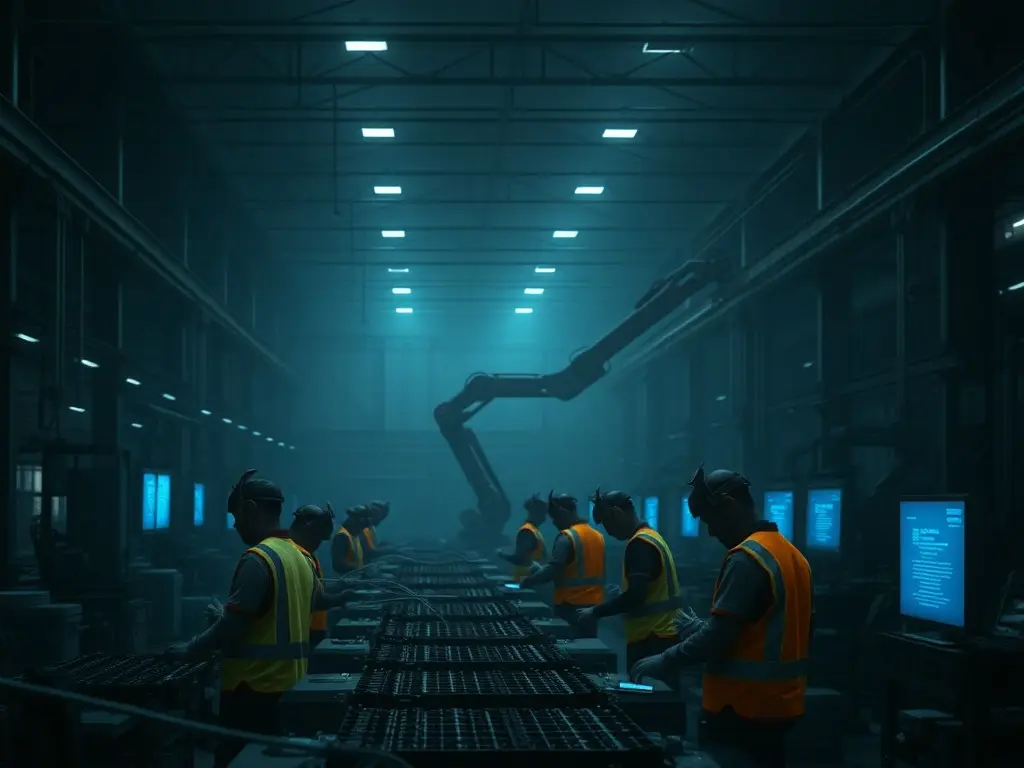
Factory workers in India are being paid to wear head-mounted cameras to record their movements for training AI-powered robots, raising concerns about job displacement and lack of transparency. Companies use this 'egocentric data' to teach robots complex physical tasks, while workers fear automation could replace their roles once sufficient data is collected.
Factory workers in India are participating in a growing trend where they wear head-mounted cameras to record their daily tasks, such as stitching fabric or assembling electronics. The footage, described as 'egocentric data,' is used to train AI systems and robots to mimic human actions, including hand coordination and movement patterns. This practice is part of a global push for 'physical AI,' where machines learn real-world tasks by observing human behavior. The initiative is concentrated in Indian states like Tamil Nadu, Gujarat, and Maharashtra, with workers earning between Rs 250 and Rs 350 per hour for their involvement. Companies involved argue that this data helps robots perform complex tasks that are difficult to program manually, leveraging India’s large workforce and lower costs. However, workers express deep unease about the long-term implications, fearing AI-powered robots could eventually replace their jobs. Concerns also extend to privacy and consent, as some workers report unclear agreements about data usage and ownership. Reports suggest companies may offer productivity analysis in exchange for access to recordings, raising ethical questions about surveillance and informed consent in workplaces where participation may feel pressured. Industry players view India as an ideal hub for this data collection due to its manufacturing base and cost advantages. Yet, labor rights advocates highlight potential risks, including job displacement and exploitation of workers who may not fully understand the implications of their data being used to train automation systems. The trend underscores broader tensions between technological advancement and workforce protection, particularly in industries where AI-driven automation is rapidly evolving.
This content was automatically generated and/or translated by AI. It may contain inaccuracies. Please refer to the original sources for verification.