Why your flight is more likely to encounter turbulence or disruptions
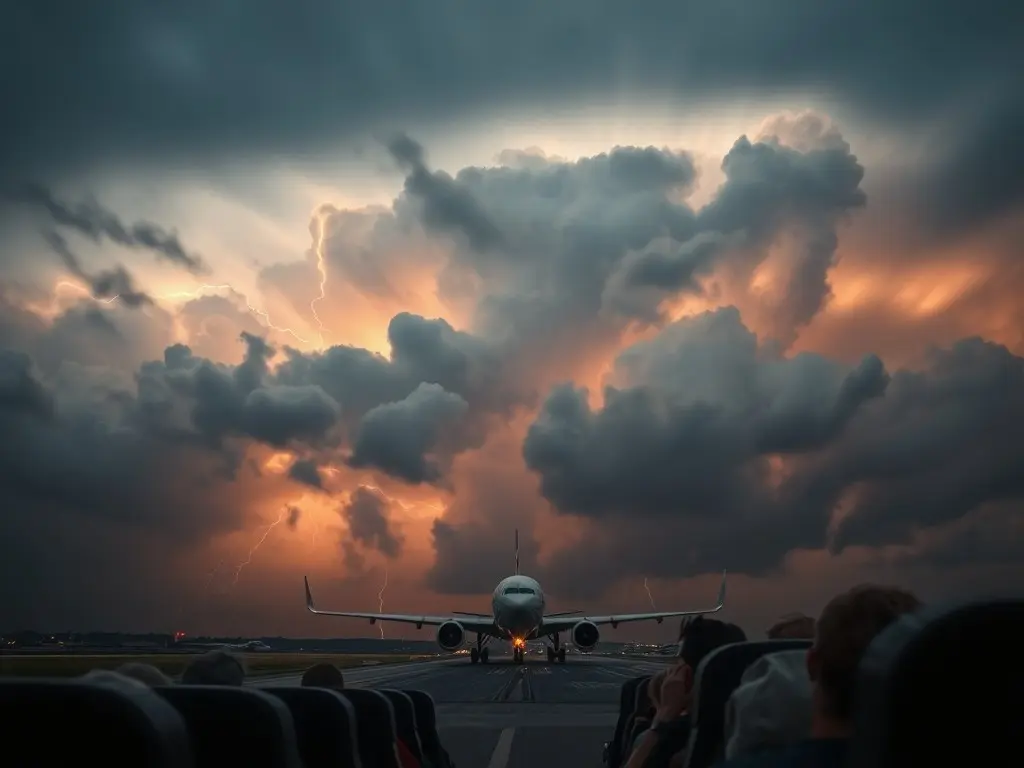
Severe turbulence linked to climate change is rising in the Asia-Pacific region, becoming the leading cause of aviation accidents from 2022 to 2024, while incidents like the 2024 Singapore Airlines SQ321 flight have heightened public fear. Experts warn climate-related weather volatility is increasing operational challenges, reducing predictability, and affecting everything from flight planning to passenger safety across the aviation network.
A 43-year-old Singaporean, Glenn Koh, still fears turbulence after experiencing severe turbulence in 2008 during a flight from London to Zurich, where his plane encountered a hailstorm. Koh, who has aviation experience, says turbulence has become more common, and the incident left him anxious despite his background. The International Civil Aviation Organization’s Annual Safety Report 2025 identified turbulence as the leading cause of accidents in the Asia-Pacific region from 2022 to 2024, attributing the trend to worsening weather conditions from climate change. High-profile incidents, such as the 2024 Singapore Airlines flight SQ321 from London to Singapore, which resulted in one death and multiple injuries, have increased public awareness of the risks. Experts argue that climate change is not making aviation inherently unsafe but is complicating operations due to greater weather unpredictability. John Tan, lead professional officer at the Singapore Institute of Technology, highlights challenges like shorter decision windows, wider disruptions, and impacts on routing, fuel planning, and crew scheduling. He emphasizes that climate change raises uncertainty, which affects aviation’s reliance on prediction and preparation. Professor Dale Barker, director of the Centre for Climate Research Singapore, warns of climate system tipping points that could trigger rapid shifts in weather patterns, including disruptions to ocean currents and permafrost thaw. These changes contribute to the unpredictability of turbulence and other aviation risks. The aviation industry faces growing pressure to adopt proactive measures to address these challenges. Climate-related disruptions now extend beyond in-flight turbulence, affecting airport capacity, runway operations, and passenger connections. Industry experts stress the need for better preparation to mitigate risks as global warming intensifies.
This content was automatically generated and/or translated by AI. It may contain inaccuracies. Please refer to the original sources for verification.