Wild Weather
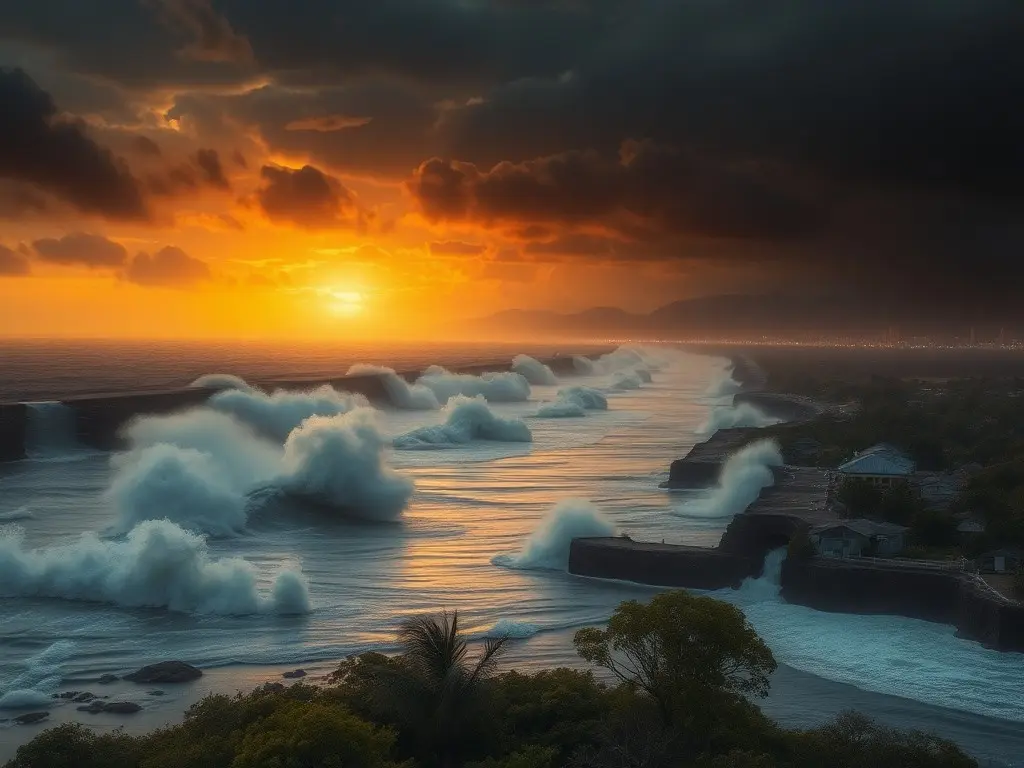
Climate change is intensifying severe weather events like hurricanes, droughts, and heat waves, disproportionately affecting vulnerable coastal and mountain communities globally. Case studies from Bangladesh, India, and New York City highlight improved warning systems, infrastructure adaptations, and natural solutions like mangroves to mitigate rising disaster risks and losses.
Climate change is worsening extreme weather events, including longer droughts, higher temperatures, and more intense storms, particularly in vulnerable mountain and coastal regions. Meteorological records since 1980 show a rise in weather-related disasters, though experts emphasize that not every event can be directly attributed to climate change. In Bangladesh, cyclones strike roughly every three years, with Cyclone Sidr in 2007 destroying 565,000 homes but killing only 3,500 due to improved warning systems and fortified shelters. Restoration of coastal mangroves and hillside forests now aims to reduce future storm surges, landslides, and flooding. India’s 2015 heat wave, reaching 113°F (45°C), killed over 2,200 people in ten days. Ahmadabad responded by distributing potable water, setting up cooling centers in high-risk areas, and training health workers to treat heat-related illnesses. Rising sea levels exacerbate storm impacts, as seen in New York City during Hurricane Sandy in 2012, when a nine-foot storm surge combined with high tide to flood neighborhoods. The city’s sea level is rising over an inch per decade—twice the global average—and is projected to increase by 11 to 21 inches by 2050. Coastal resiliency projects now include floodwalls, berms, and green spaces to protect against future flooding. Costly damage from storms and floods is growing in coastal areas, prompting innovations like floating villages and relocating vulnerable infrastructure to reduce risks. These adaptations highlight global efforts to balance development with climate resilience.
This content was automatically generated and/or translated by AI. It may contain inaccuracies. Please refer to the original sources for verification.