Will high gas prices change the auto industry again?
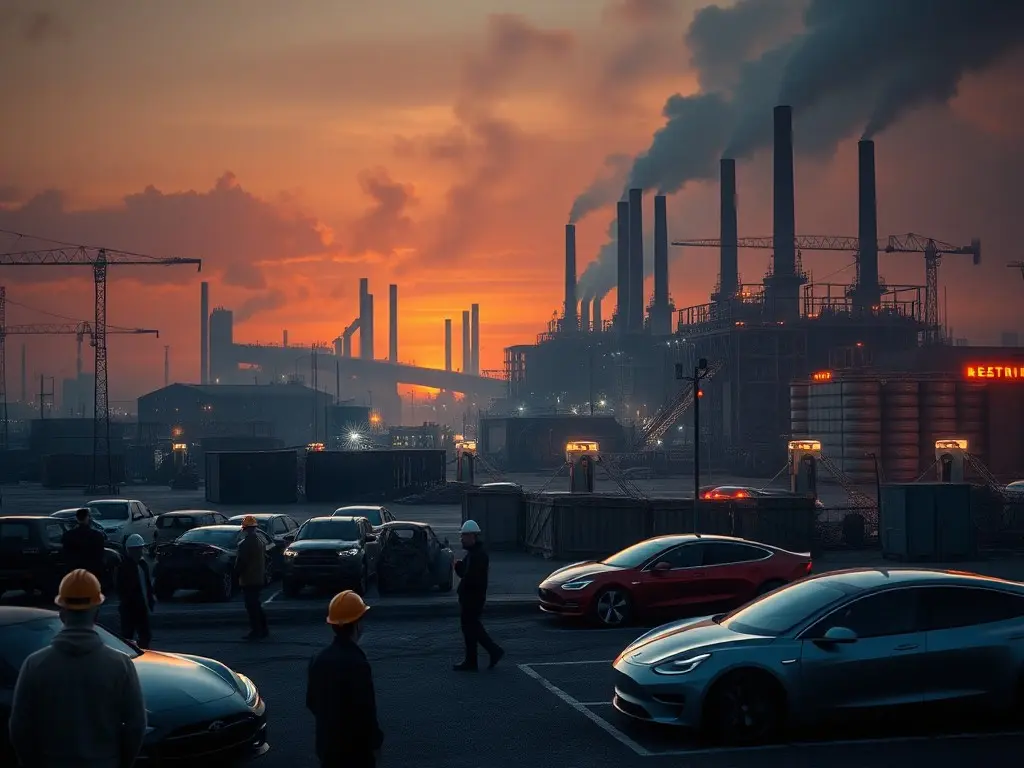
High gas prices driven by the U.S.-Israeli war with Iran are raising concerns about potential long-term shifts in the American auto industry, though experts say the impact will differ from past oil shocks due to improved fuel efficiency and domestic production. Glenn Stevens of MichAuto warns that a combination of global competition, political changes in Michigan, and affordability issues could threaten Detroit automakers if not addressed carefully.
High gas prices in the U.S., linked to the ongoing conflict between Israel and Iran, are prompting questions about whether the auto industry will undergo another major transformation. Past oil shocks, such as the 1973 Arab embargo and the 1979 Iranian crisis, triggered shifts toward fuel-efficient vehicles and nearly crippled Detroit automakers by the late 2000s. However, experts suggest this latest price surge may have less immediate impact due to advancements in fuel efficiency and increased domestic fossil fuel production. Glenn Stevens, executive director of MichAuto, notes that while current gas prices are elevated, they remain below record inflation-adjusted levels and have not caused shortages or panic-buying seen in the 1970s. The U.S. has also reduced reliance on foreign oil supplies, mitigating some risks. Still, he cautions that a mix of global competition, political shifts in Michigan, and broader affordability challenges could pose long-term threats to the industry if leaders fail to adapt. Stephanie Brinley, principal automotive analyst at S&P Global Mobility, highlights key differences between today’s oil shock and past crises. The 1970s shortages were supply-driven, with OPEC restrictions causing extreme fuel scarcity and long lines at gas stations. Now, domestic production and efficiency gains—even in trucks—have reduced vulnerability. Yet, Brinley acknowledges that sustained high prices could still influence consumer behavior over time. Industry observers agree that while the current situation is less severe than historical oil shocks, it underscores the need for automakers to prepare for future disruptions. Stevens emphasizes the importance of addressing competitive pressures and political changes to secure the industry’s future. Without proactive measures, the combination of global challenges and affordability concerns could reshape Detroit’s automotive landscape in unpredictable ways.
This content was automatically generated and/or translated by AI. It may contain inaccuracies. Please refer to the original sources for verification.