Women Face the Greatest Climate Risks But Are Critical to Climate Action
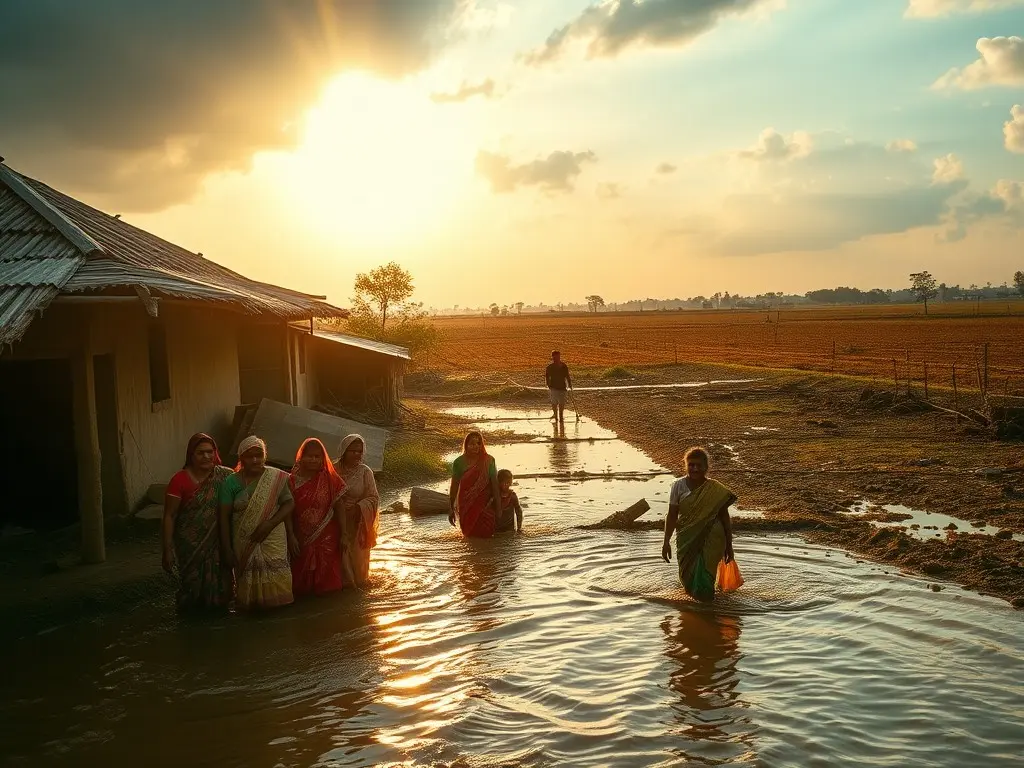
Women and girls face 14 times higher mortality risk in climate disasters and account for 80% of displacement, with disruptions in education, healthcare, and economic stability. Extreme weather events like Pakistan’s 2022 floods worsened poverty, disrupted reproductive health services, and increased child marriages due to resource scarcity.
The climate crisis exacerbates gender inequalities, disproportionately affecting women and girls globally. Women and children are 14 times more likely to die in extreme weather disasters, while 4 out of 5 people displaced by climate impacts are female. Disruptions to essential services, such as sexual and reproductive healthcare, further deepen vulnerabilities. In Pakistan, 2022’s floods displaced millions, including 650,000 pregnant women who lost access to medical care, leading to unsafe births and increased health risks like malaria and dengue fever. Extreme weather forces families into precarious situations, often derailing education and economic opportunities. Sajida, a Pakistani girl, struggled to recover from the floods, which left her family without food or medicine for 15 days. Her education suffered, and she failed exams due to poverty and repeated climate disasters, abandoning her dream of becoming a doctor. Similar cases highlight how climate crises push women and girls into cycles of poverty and displacement. Research shows extreme heat worsens maternal and newborn health, increasing stillbirth rates and spreading diseases like Zika. Disasters also drive up child marriages as families prioritize survival over education and financial stability. Women in rural communities, reliant on agriculture and natural resources, face heightened risks as climate change intensifies extreme weather. The United Nations emphasizes that climate change is not gender-neutral, as women’s existing inequalities limit their ability to recover from disasters. Without targeted interventions, these trends will persist, deepening global gender disparities in the face of a worsening climate crisis.
This content was automatically generated and/or translated by AI. It may contain inaccuracies. Please refer to the original sources for verification.