Women’s seats, bigger India Parliament: What’s changing?
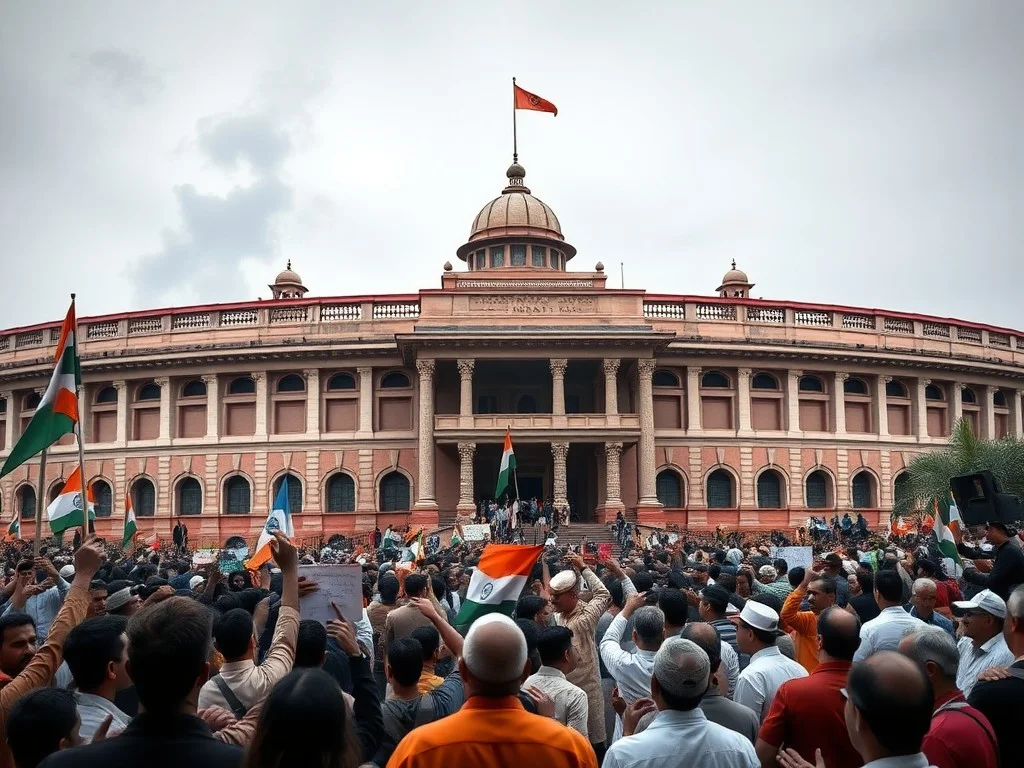
India plans to expand its Parliament and reserve one-third of seats for women, sparking debate over the potential impact on the political balance. The proposal links women's reservation to a redrawing of electoral boundaries, which critics argue could benefit the ruling Bharatiya Janata Party.
India is set to make significant changes to its parliamentary structure by expanding the size of Parliament and reserving one-third of seats for women. The proposal, backed by Prime Minister Narendra Modi, aims to increase women's representation in legislative bodies. Currently, women account for only about 14% of Lok Sabha members. The expansion involves increasing the Lok Sabha seats from 543 to over 800 and redrawing constituency boundaries based on population data from the 2011 census. Critics argue that this could shift power in favour of northern states with higher population growth, potentially benefiting the ruling Bharatiya Janata Party. The changes are likely to take effect from the 2029 general elections.
This content was automatically generated and/or translated by AI. It may contain inaccuracies. Please refer to the original sources for verification.