World Cup fans beware: Scam expert warns of fake FIFA websites
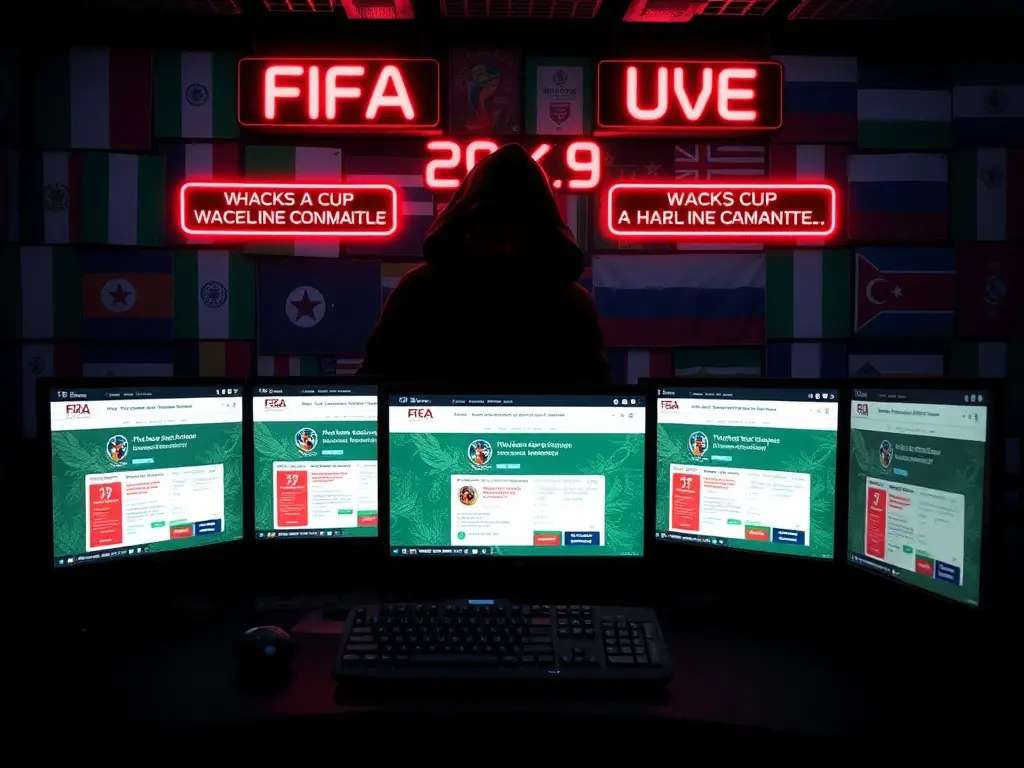
Scam expert Steve Weisman warns that AI-generated fake FIFA websites targeting World Cup fans are rising, with law enforcement struggling to shut them down. Fake sites mimic official platforms for tickets, merchandise, and streaming, often appearing legitimate but linked to fraud hubs like Nigeria, North Korea, or Russia." "article": "As the FIFA World Cup begins, scammers are exploiting fan excitement with AI-generated fake websites, according to Steve Weisman, a Bentley University professor and scam expert. These sites mimic official FIFA platforms, including one with an extra 'F' in the name, tricking users into entering personal or payment details. Weisman noted that law enforcement, including the FBI, has identified around 70 such sites but faces challenges in removing them due to their rapid creation and global distribution. The fake websites cover various scams, including ticket sales, merchandise, and streaming services. Weisman advised fans to verify a site’s legitimacy using tools like WhoIs.com, which reveals the website’s ownership and registration details. Red flags include newly created sites or those registered in countries known for cyber fraud, such as Nigeria, North Korea, or Russia. Weisman emphasized that AI is a key enabler for these scams, allowing criminals to quickly generate convincing fake websites. Despite law enforcement efforts, the 'whack-a-mole' approach of taking down sites remains difficult due to the volume and speed at which new fraudulent platforms emerge. Fans are urged to exercise caution when engaging with online World Cup-related services. The expert stressed that the global audience for the World Cup makes it a prime target for scammers. With millions of people seeking tickets, merchandise, and streaming options, the risk of falling victim to fraud increases significantly. Weisman’s warnings highlight the need for vigilance, especially when transactions or personal information are involved. To stay safe, Weisman recommended cross-checking URLs against official FIFA sources and avoiding sites with suspicious ownership or sudden appearances. The rise of AI-driven scams underscores the evolving tactics of cybercriminals, who continue to adapt to exploit public interest in major events.
As the FIFA World Cup begins, scammers are exploiting fan excitement with AI-generated fake websites, according to Steve Weisman, a Bentley University professor and scam expert. These sites mimic official FIFA platforms, including one with an extra 'F' in the name, tricking users into entering personal or payment details. Weisman noted that law enforcement, including the FBI, has identified around 70 such sites but faces challenges in removing them due to their rapid creation and global distribution. The fake websites cover various scams, including ticket sales, merchandise, and streaming services. Weisman advised fans to verify a site’s legitimacy using tools like WhoIs.com, which reveals the website’s ownership and registration details. Red flags include newly created sites or those registered in countries known for cyber fraud, such as Nigeria, North Korea, or Russia. Weisman emphasized that AI is a key enabler for these scams, allowing criminals to quickly generate convincing fake websites. Despite law enforcement efforts, the 'whack-a-mole' approach of taking down sites remains difficult due to the volume and speed at which new fraudulent platforms emerge. Fans are urged to exercise caution when engaging with online World Cup-related services. The expert stressed that the global audience for the World Cup makes it a prime target for scammers. With millions of people seeking tickets, merchandise, and streaming options, the risk of falling victim to fraud increases significantly. Weisman’s warnings highlight the need for vigilance, especially when transactions or personal information are involved. To stay safe, Weisman recommended cross-checking URLs against official FIFA sources and avoiding sites with suspicious ownership or sudden appearances. The rise of AI-driven scams underscores the evolving tactics of cybercriminals, who continue to adapt to exploit public interest in major events.
This content was automatically generated and/or translated by AI. It may contain inaccuracies. Please refer to the original sources for verification.